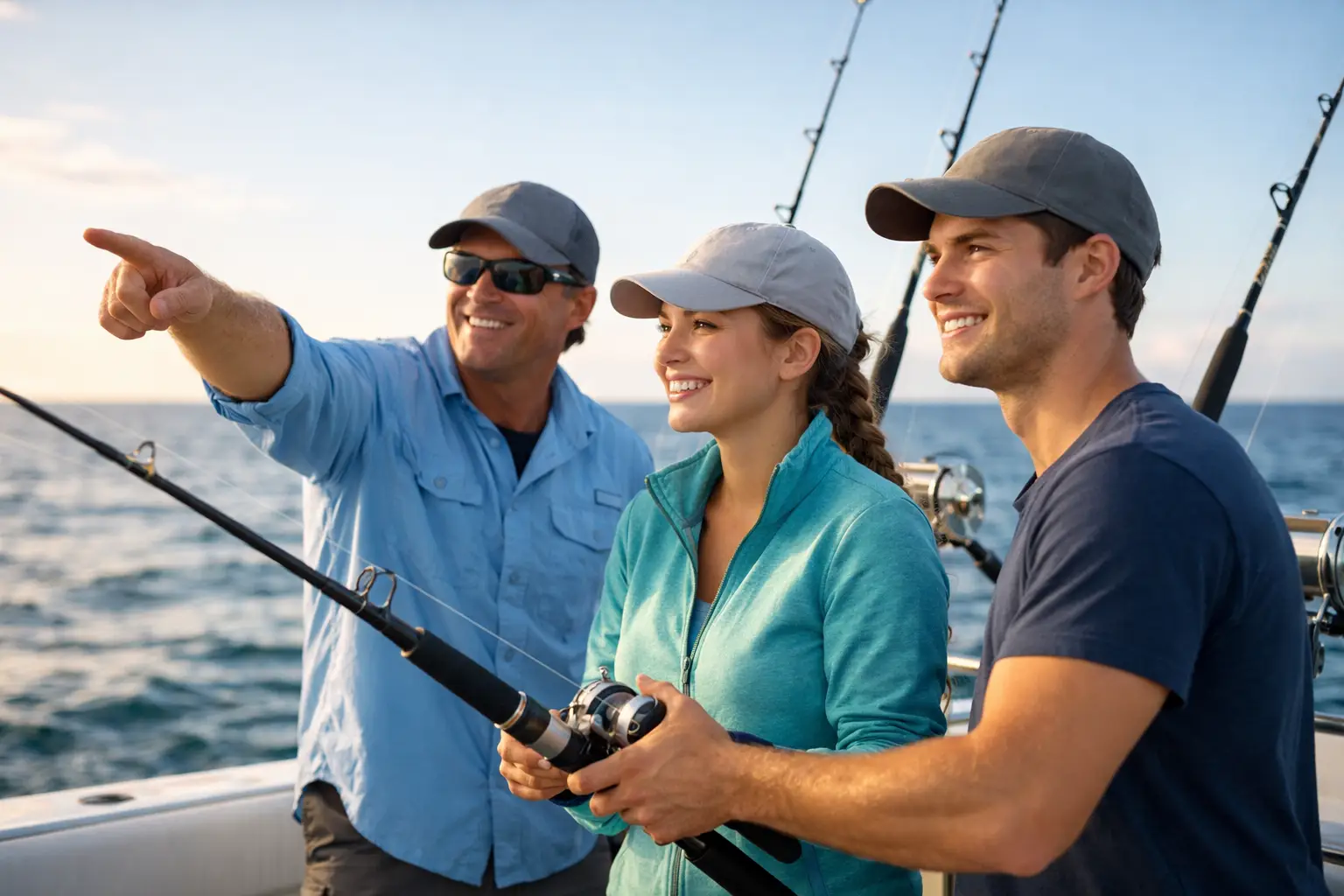
A first charter should not feel like a test of your toughness. The best fishing charter for beginners puts you on fishable water, explains what is happening, and gives your group a real shot at catching something without spending half the day battling rough seas, tangled gear, or confusion.
That usually means choosing the trip around the fish and the people on the boat, not just picking the closest marina or the cheapest listing. A great captain can make fishing feel natural fast. The wrong trip can turn a promising first outing into a long, expensive boat ride.
What Makes the Best Fishing Charter for Beginners?
Beginners need more than a boat with rods onboard. They need a captain and crew who are comfortable teaching, patient with missed bites, and honest about what the day will look like. That starts with a trip that matches the group’s attention span, comfort level, and fishing goal.
For most first-timers, the sweet spot is a half-day inshore or nearshore charter. You spend less time running offshore, stay closer to protected water, and can focus on active fishing. These trips commonly target species such as redfish, speckled trout, snook, flounder, striped bass, sheepshead, or smaller reef fish, depending on where you are.
That does not mean offshore fishing is off the table. If your crew is set on mahi-mahi, tuna, sailfish, or a big bottom-fishing haul, go for it with open eyes. Offshore trips often require a longer run, a longer day, a bigger budget, and a higher tolerance for motion. They can be unforgettable, but they are not automatically the best first choice for every family or group.
The right charter sets clear expectations before you leave the dock. You should know the trip length, the likely target species, whether the water may be rough, what gear is included, and whether fishing licenses are covered. Plain answers are a good sign. A captain does not need to promise a cooler full of fish to show they run a professional operation.
Start With the Fish You Want to Catch
Fishing is more fun when everyone knows what they are chasing. “We want to go fishing” is a start, but “we want a relaxed trip where the kids can catch a few fish” gives a captain something useful to work with.
For a first charter, target species with frequent action tend to beat trophy-only pursuits. A redfish that hits in shallow water, a school of eager trout, or a cooler full of reef fish can keep new anglers engaged. Waiting hours for one giant bite may be perfect for an experienced angler, but it can be a tough sell for a mixed group on its first trip.
Season matters, too. The same destination can offer completely different fishing from one month to the next. Ask what is realistically biting during your travel dates and whether the captain has a backup plan if wind, rain, water temperature, or current changes the bite. The best captains do not force a bad plan just because it looked good on a brochure.
A species-first search makes this much easier. On Unreel Charters, you can start with the fish you want to catch, then narrow down the location and trip type. That is a better path than scrolling through generic boat listings and hoping the captain runs the kind of day your group actually wants.
Choose the Water Before You Choose the Boat
A sleek center console and a big social media following can catch your eye, but water conditions matter more than boat photos when you are new to charter fishing.
Inshore trips are the easy entry point
Inshore fishing happens in bays, backwaters, marshes, flats, estuaries, and other protected areas. The ride is often calmer, land stays nearby, and the captain can move between spots quickly. This is usually the strongest choice for young kids, anglers prone to seasickness, and anyone who wants to learn casting, bait presentation, and fish handling without a long offshore run.
Inshore does have trade-offs. You may not catch a giant pelagic fish, and some days can be tide-dependent. But for steady action and a lower-stress first experience, it is hard to beat.
Nearshore and reef trips add variety
Nearshore charters head outside the inlet but generally fish closer to land than deep-sea trips. Depending on the region, you might target snapper, grouper, cobia, king mackerel, sea bass, or other reef and wreck species. These outings can offer plenty of action and a more open-water feel without committing to a full offshore day.
Conditions can change quickly, so ask how far the boat typically runs and what the captain does if the ocean is choppy. A good operator will tell you whether a nearshore trip is a smart fit for your crew that day.
Offshore is worth it when the group is ready
Deep-sea fishing has real appeal. Big water, big fish, and the chance to troll, bottom fish, or chase a species you have only seen in photos can make it a bucket-list trip. It also asks more from beginners. Longer travel time means less tolerance for late arrivals, motion sickness, skipped meals, and short attention spans.
If you book offshore, choose a captain who welcomes first-timers and has a realistic plan for the conditions. Take motion-sickness prevention seriously before you board, not after the horizon starts moving.
Read the Captain Profile Like It Matters
It does. A charter captain is not just driving the boat. They are making weather calls, finding fish, rigging bait, coaching your group, and setting the tone for the entire day.
Look for details that show how they run trips. Do they mention families, kids, newcomers, or hands-on instruction? Do they explain their target species and trip styles? Are the boat photos current and clear? Do their reviews mention patience, communication, and effort, not only big catches?
A captain who specializes in tournament teams or hardcore offshore anglers may be excellent at their job and still not be the right fit for a first-timer group. There is no insult in that. You want the captain whose normal day looks most like the day you are trying to have.
Before booking, ask a few direct questions: Is this trip suitable for complete beginners? What fish are most likely during our dates? How rough is the ride likely to be? What should we bring? Do you provide bait, tackle, ice, and licenses? Can we keep fish if regulations allow, and is fish cleaning available?
Pay attention to how the answers feel. Clear, practical communication on land usually carries onto the water.
Match the Trip Length to Your Group
More hours do not always equal a better beginner trip. A four-hour charter can be the right call for a family with younger children, travelers fitting fishing into a busy vacation, or anyone unsure how they will handle boat motion. It gives you time to learn, catch fish, and leave while the energy is still high.
Six- and eight-hour trips give a captain more room to adjust to changing conditions, make a longer run, or pursue a specific species. They are often a better value for serious anglers, but only if your group is ready for the commitment. Food, water, sun protection, and bathroom access become bigger factors as the day gets longer.
Private charters are often the simplest option for beginners because the captain can tailor the pace to your group. Shared trips can cost less and be a fun way to get on the water, but you may have less control over target species, departure times, and how much individual instruction you receive.
Do Not Let Price Make the Decision Alone
A low advertised rate can be a good deal, or it can leave out basics that affect your actual cost. Check whether fuel, bait, tackle, fishing licenses, fish cleaning, and gratuity expectations are addressed before you commit. Ask about the deposit and cancellation policy, especially if weather could be an issue.
The most expensive trip is not always the best one, either. A high price may reflect a larger boat, a longer offshore run, premium equipment, or a specialized fishery. Those things can be worth paying for when they match your goal. If your goal is to put two first-time anglers on redfish in a calm marsh, a straightforward inshore captain may deliver the better day for less money.
Show Up Ready to Fish
Your captain will provide the fishing know-how, but a little preparation helps. Wear clothes you can get wet or slimy, bring polarized sunglasses if you have them, and use sunscreen before leaving the dock. Pack water and snacks unless the captain says they are supplied. Bring a light rain layer when the forecast is uncertain.
Most of all, arrive early and tell the captain who is new. That one sentence helps them set up the day. They can choose easier techniques, explain safety rules without rushing, and make sure nobody is pretending to know how to cast when they would rather get a quick lesson.
Your first charter does not need a monster fish to be a win. Pick a captain who wants to teach, a trip your group can enjoy, and a fishery with honest odds of action. The photo is better when everyone in it is still smiling at the dock.