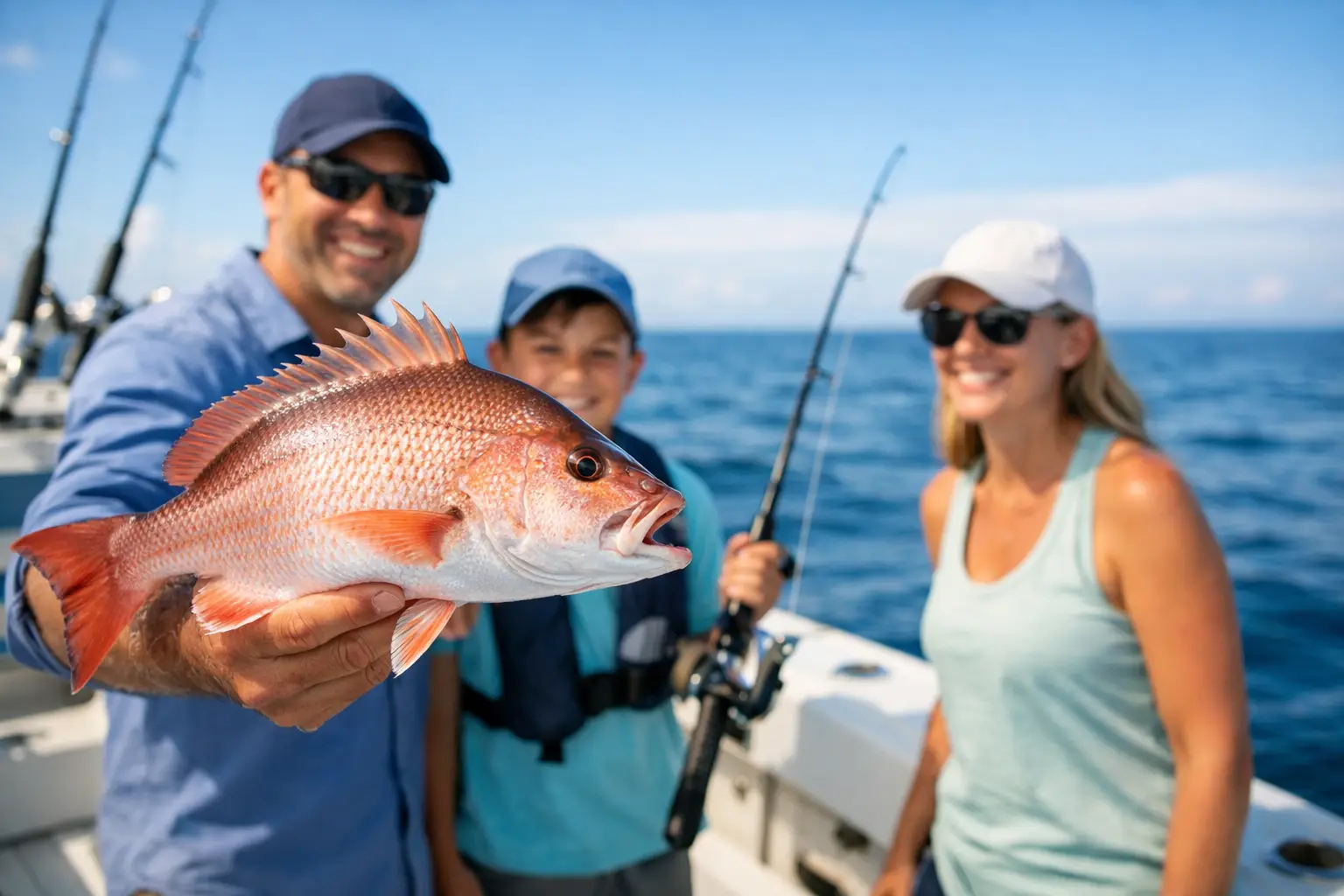
A kid lands a keeper-sized redfish, everybody on the boat is grinning, and the first question comes fast: can families keep caught fish? Usually, yes - but only when that fish is legal to harvest, the trip’s rules allow it, and your party stays within the regulations for that day and place.
That answer sounds simple until you factor in species, seasons, state lines, bag limits, size slots, and the captain’s call. A good family fishing charter makes those details easy. You get to enjoy the bite, learn what you caught, and bring home dinner when the conditions and regulations line up.
Can Families Keep Caught Fish on a Charter?
On most US charter trips, families can keep legal fish that are in season and within the applicable possession limit. Your captain should know the local rules, measure the fish, and tell you whether it goes in the cooler or back over the rail. That local knowledge is part of what you are hiring.
But a charter boat is not a loophole around fishing regulations. Being on a guided trip does not mean every fish can be kept, and it does not mean a family can combine everyone’s limits into one big pile. In many fisheries, each angler has an individual daily bag limit. If four people can each keep two fish, the boat may be able to retain eight fish - provided every person is eligible, each fish meets the size rule, and no other rule reduces that limit.
Children can often count toward a bag limit if they are actively fishing and meet the local licensing requirements or youth exemptions. Rules vary by state and fishery, though. A child holding a rod for a photo is different from a child who genuinely caught the fish. Your captain can explain how that works before lines go in.
The Rules That Decide What Goes Home
Fishing rules are built to protect the resource, not ruin the cookout. They can change quickly by season, species, management zone, or emergency closure. A captain who targets nearshore snapper, inshore trout, Great Lakes salmon, or offshore tuna deals with a different rulebook than the next captain down the dock.
Size limits and harvest slots
Many popular species must fall within a minimum and maximum length range. A fish that is too short gets released. So does an oversized fish in a protected slot fishery. That big breeder may be the most impressive catch of the day, but it may also be the fish that has to swim away.
Measurements are not always as casual as laying a fish against a cooler lid. Regulations can specify total length, fork length, or another method. Captains carry the right measuring tools and know where to measure from. Let them make the call, especially when a fish is close.
Bag limits and possession limits
A bag limit is how many fish one angler may keep in a day. A possession limit may control how many fish someone can have in their possession after the trip, including fish stored in a cooler or taken back to a rental house. Those rules matter when your family plans to fish multiple days.
Do not assume every family member can hand off their fish to one person who did not fish. Transfer, transport, and identification rules vary. Some areas require fish to remain identifiable by species or have specific rules about skin patches and fillets while on the water or in transit.
Seasons, closures, and protected fish
Some species are open for harvest only during certain dates. Others may be open in state waters but closed in federal waters, or the reverse. A boat running offshore can cross into a different management zone without changing the weather one bit.
There are also fish that should never be kept, including protected species and fish outside an active season. Your captain may ask the group to avoid targeting a closed species altogether. That is not a wasted opportunity. It is a sign you booked someone who takes the fishery seriously.
A Captain’s House Rules Matter Too
Legal does not always mean automatic. Some captains run primarily catch-and-release trips for certain species, particularly trophy fish like large tarpon, billfish, muskie, or oversized breeding-class fish. Others are happy to keep a reasonable table-fish limit but do not want a deck full of fish that will not be eaten.
That is a fair call. A professional captain is responsible for the boat, the crew, the fishery, and the experience of every guest onboard. They may also limit harvest based on heat, weather, the length of the ride back, cooler space, or how the fish need to be handled for quality.
If bringing fish home is part of the plan, say so before booking. Be specific: Are you hoping for enough snapper for dinner? Do you want a few walleye fillets? Are the kids excited to catch a shark, even if it will be released? The best trip starts with the fish you want to catch and a captain whose trip style fits the goal.
Unreel Charters makes that search easier by letting anglers start with the species and trip type, rather than digging through generic vacation listings and hoping the details line up.
Keeping Fish Is Only Worth It If It Eats Well
A legal fish still deserves careful handling. On a warm summer day, fish quality drops fast when a catch sits in direct sun or on a hot deck. Most experienced charter crews will bleed, ice, and store harvest fish properly. Ask whether the trip includes cleaning and bagging the catch, and whether the captain can recommend a local processor or restaurant that may prepare your fish.
Keep only what your family can use. A couple of fresh fillets after an inshore trip can be far better than hauling home a limit that ends up freezer-burned. If you are traveling, consider your drive time, lodging refrigerator space, airline rules, and whether vacuum sealing is available nearby.
This is where family trips can teach a solid fishing lesson: harvesting a fish is not just about winning a photo. It means respecting the animal, following the rulebook, and making sure the catch becomes a meal.
How to Set Expectations Before You Board
A quick conversation with the captain removes most surprises. When you call or message, ask what is currently in season, what species are likely that time of year, and whether the charter is catch-and-keep, catch-and-release, or a mix of both.
You should also ask whether licenses are included. Many saltwater charter operations hold licenses that cover their passengers, but that is not universal. Freshwater trips, special permits, and certain locations can work differently. Do not guess. Confirm what you need to bring.
For families with young anglers, tell the captain their ages and experience level. A smart captain can set the trip around steady action and manageable fish, while still saving room for a keeper opportunity. A cooler full of legal trout or panfish is great, but so is a morning where a first-time angler releases their first snook or catches a fish they will talk about all year.
What Happens When a Fish Must Be Released?
Release is not a consolation prize. It is often the correct outcome, whether the fish is undersized, oversized, out of season, protected, or simply not something your group plans to eat. The goal is a quick, clean release that gives the fish the best chance to recover.
Listen to the crew on handling. They may keep the fish in the water, use a landing net, remove the hook with tools, or skip the long photo session. Larger fish are especially vulnerable to rough handling. A captain who moves fast is protecting the fish, not cutting short your moment.
Bring the camera up early, take the photo when the crew says it is ready, then let the fish go. Your family still gets the memory - and the fish gets another shot at growing, spawning, or getting caught again someday.
The Best Family Catch Is a Planned One
Families can absolutely bring home caught fish from a charter, but harvest should be part of the trip plan, not an assumption made at the dock. Pick a species that is likely to be open and available, ask the captain about current rules and fish-cleaning options, and let local conditions guide the day.
Then enjoy what fishing gives you either way: a legal keeper for the skillet, a released trophy, a first fish photo, and a crew that knows the difference.