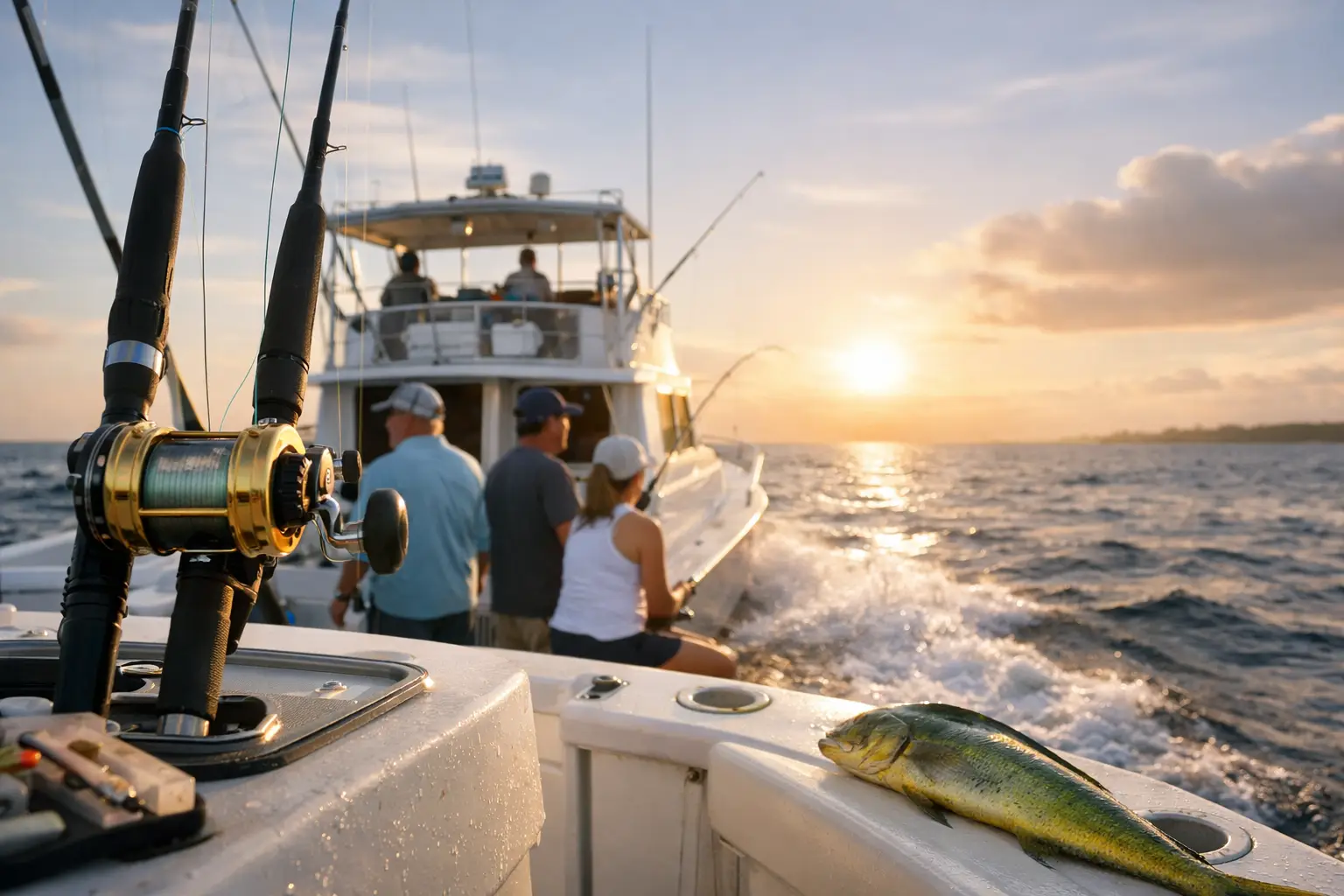
A trout trip at daylight, a marlin run 30 miles offshore, and a family redfish afternoon are all fishing charters. They are not the same booking decision. Direct booking fishing charters gives you a clearer line to the person running the boat, so you can talk through the fish, the conditions, and the real plan before money changes hands.
That matters because a charter is not a hotel room with a boat attached. The captain's skill, the season, the launch point, the length of the run, and the kind of fishing you want all shape whether a trip is worth your time. Booking direct can make those details easier to sort out while helping independent captains keep more of the revenue they earn on the water.
What Direct Booking Actually Means
Direct booking means you are communicating and arranging the trip with the charter captain or their operation, rather than having a third-party marketplace control the transaction. You may find that captain through a directory, social media, a marina, or a recommendation. The key difference is simple: the relationship, payment process, and trip details stay between you and the operator.
That does not mean every direct booking works the same way. One captain may take a deposit by card and send a confirmation by text. Another may use a booking calendar on their own website. Some require a deposit, some require payment in full close to the trip date, and some accept payment at the dock. A professional operation should make its pricing, cancellation policy, departure point, and payment expectations clear before you commit.
For anglers, the upside is access. You can ask questions that generic booking forms rarely answer well: Is this a good week for tarpon? Can four adults fish comfortably on this boat? Are we targeting keeper-size snapper or looking for big catch-and-release fish? Is the forecast likely to change the trip from offshore to nearshore?
For captains, direct bookings protect the business they built. Running a charter operation means maintaining a boat, buying fuel and bait, replacing tackle, carrying insurance, watching weather, and putting in long days. A commission pulled from every trip can take a real bite out of already variable revenue. Direct does not mean disorganized. It means the captain keeps control.
Start With the Fish, Not a Generic Destination
The fastest way to book the wrong trip is to search a broad vacation destination, see a photo of a nice boat, and assume every captain there can provide the fishing you want. A captain may be excellent at inshore snook and redfish while rarely running offshore for mahi. Another may specialize in walleye, but not offer a kid-friendly half-day outing.
Start with a straightforward question: what do you want to catch?
If the answer is redfish, speckled trout, snook, flounder, or striped bass, look for an inshore or bay captain with recent experience in that fishery. If it is tuna, marlin, sailfish, halibut, yellowtail, or big grouper, expect different boats, longer runs, bigger weather windows, and often a higher price. Fly-fishing for bonefish or permit has its own set of needs, including tides, casting ability, and smaller skiffs.
Then match the fish to the place and season. A species listing should be a starting point, not a guarantee. Fish move. Water temperatures shift. Wind can cancel an offshore plan even when the skies are blue. A good captain will tell you what is realistically biting during your dates and offer a better alternative when the original target is not the smart play.
This is where a species-first search earns its keep. Unreel Charters helps anglers narrow down 8,500-plus charter operations by the fish they want to catch, the waters they want to fish, and the trip that fits the group. You spend less time sorting generic travel listings and more time finding a captain who actually runs the trip you have in mind.
Questions to Ask Before You Book Direct
A direct conversation should make you more confident, not leave you chasing basic answers. You do not need to interrogate a captain, but you should know what the day looks like before paying a deposit.
Ask how long the trip lasts and how much of that time is likely to be travel. A six-hour offshore charter may include substantial running time, while a four-hour inshore trip can put lines in quickly. Neither is automatically better. It depends on the fish and experience you want.
Ask what is included. In many cases, the captain supplies rods, tackle, bait, ice, fuel, and fishing licenses. But do not assume. Clarify whether you need to bring food, drinks, rain gear, a cooler for your catch, or a saltwater license. If you want to keep fish, ask whether the captain cleans and bags the legal catch and whether local processing rules apply.
It also pays to be honest about your group. Let the captain know if you have young kids, first-timers, mobility concerns, people prone to seasickness, or experienced anglers hoping to throw artificials instead of soaking bait. The right captain can tailor the day. The wrong fit can turn an expensive trip into a long boat ride.
Before confirming, get these details in writing:
- Total price, deposit amount, payment method, and whether gratuity is customary
- Departure marina, check-in time, parking instructions, and expected return time
- Maximum number of anglers and whether observers can ride along
- What happens if weather forces a cancellation, reschedule, or shorter trip
- What gear, licenses, food, drinks, and fish-cleaning services are included
A quick text thread or email confirmation is usually enough. The goal is not paperwork for its own sake. It is making sure both sides agree on the same trip.
Read a Captain Profile Like an Angler
Photos of trophy fish are fun, but they should not be the whole decision. Look for evidence that the captain regularly fishes your target species and preferred trip style. Recent reports, boat photos, clear trip descriptions, and details about the waters they cover tell you more than a single old photo of a giant fish.
Pay attention to boat capacity, too. A boat rated for six passengers may technically hold six anglers, but that does not mean six people can cast comfortably on every trip. Ask the captain what group size they recommend for your style of fishing. A live-bait offshore troll can handle a larger crew differently than sight-fishing shallow water or working a reef with several anglers dropping lines straight down.
Reviews can help, especially when they mention communication, safety, patience with beginners, and whether the captain adapted to conditions. Still, read them with some common sense. No captain controls the weather or can promise a fish that did not cooperate. The better signal is whether people felt informed, prepared, and well cared for when the bite got tough.
The Trade-Off: Direct Is More Personal, Not Automatic
Direct booking fishing charters is not a magic shortcut around every problem. You may need to do a little more homework than you would on a big marketplace checkout page. Payment methods differ. Availability may require a text or phone call. Policies are set by individual operators rather than one corporate rulebook.
For many anglers, that is a feature. You get answers from the person making the call on where to fish and whether the weather is safe. You can build a relationship with a local captain you want to fish with again next season. And your trip dollars go toward the operation rather than a percentage-based middleman.
The responsibility runs both ways. Captains should respond clearly, confirm plans, and explain policies without games. Anglers should show up on time, communicate changes early, respect weather calls, and understand that a canceled unsafe trip is better than forcing a bad day offshore.
Make the Booking, Then Let the Captain Do Their Job
Once you have found the right species, location, trip type, and captain, keep the booking clean. Confirm the date, deposit, party size, and meeting point. Save the captain's number. Check the weather the night before, but trust the captain's final call on conditions. Bring what you agreed to bring, arrive early, and tell the crew what kind of day you hope to have.
Then get ready for the part that cannot be booked from a screen: the first hard strike, the drag starting to sing, and a captain calling out where to cast next. The best direct booking is not just a transaction. It is the start of a fishing day built around the fish you came to chase and the local pro who knows where to find them.