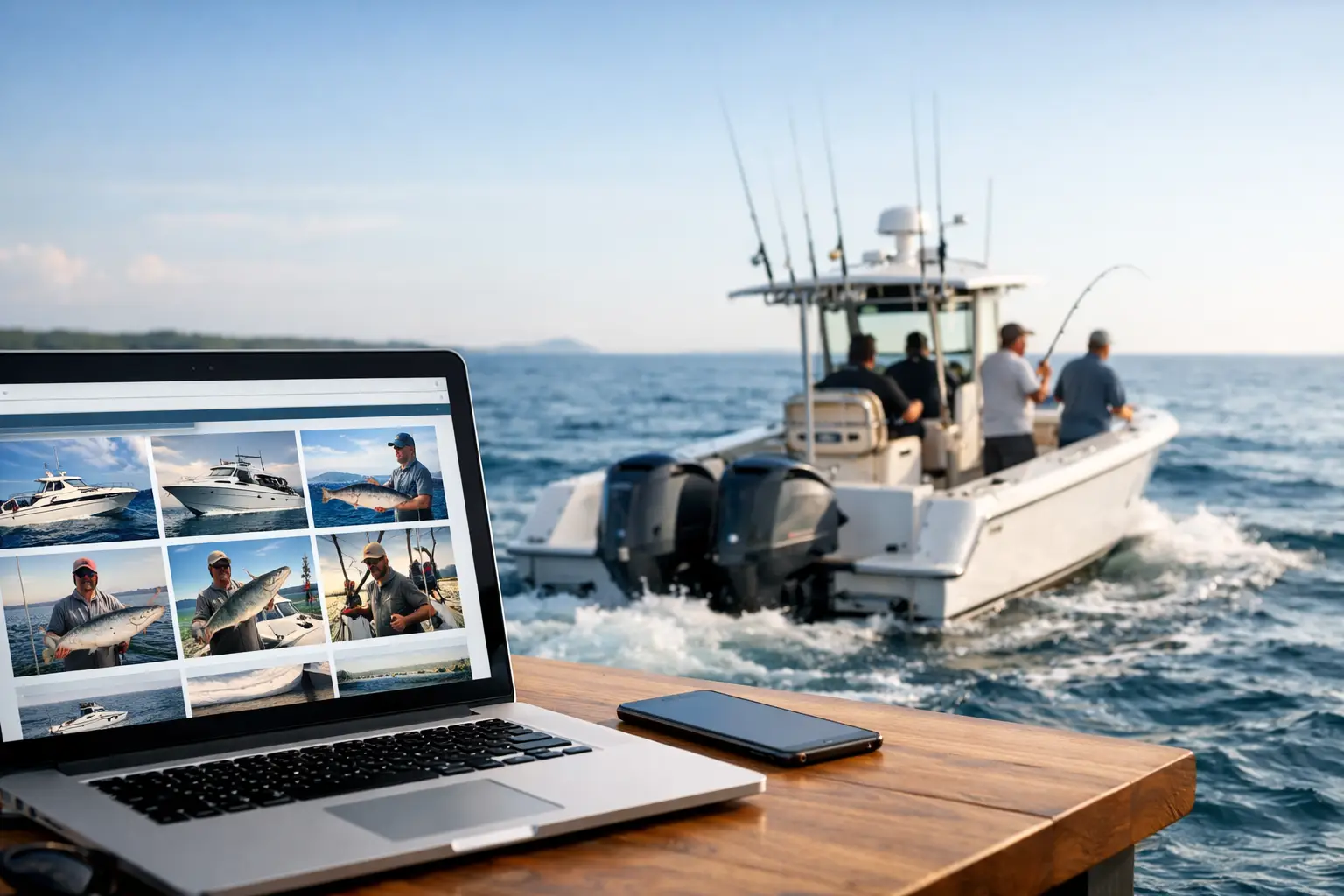
An angler looking for a bluefin tuna run out of Cape Cod is not shopping for the same trip as a family hoping to catch redfish in the Louisiana marsh. Yet too many charter profiles make both anglers work through the same vague promises: “Great fishing,” “experienced captain,” and a handful of boat photos with no real direction.
A strong fishing charter listing answers the question anglers actually ask first: What can I catch with you? From there, it should make the water, season, trip style, and captain behind the wheel clear enough that the right customer feels ready to call or book.
For captains, this is not just a marketing detail. A better listing filters out bad-fit inquiries, brings in anglers who understand the trip, and gives your operation a fair shot at the business you already work hard to earn.
Start Your Fishing Charter Listing With the Catch
Your boat matters. Your electronics matter. Your reputation matters. But the fish are what get anglers searching in the first place.
Lead your profile with the species you actively target, not every fish that has ever crossed the deck. A captain who regularly puts clients on snook, tarpon, and redfish should say so plainly. An offshore operation built around mahi, wahoo, sailfish, and tuna should make that obvious before an angler has to dig through a paragraph of general copy.
Specificity builds confidence. “Inshore fishing” is useful, but “shallow-water redfish and speckled trout trips for families and first-timers” tells an angler whether they are in the right place. “Offshore fishing” is broad. “Full-day canyon trips for tuna and bigeye” sets a real expectation about commitment, distance, and the kind of day ahead.
This does not mean promising a particular fish every time. Fishing is fishing. Weather shifts, bait moves, water temperature changes, and some days the bite simply does not cooperate. The goal is to describe your normal targets and approach honestly, then explain when the best windows tend to happen.
Use species as the front door, not an afterthought
Think through the searches you want to win. An angler may search for striped bass in New Jersey, halibut in Alaska, peacock bass in Florida, or muskies in Wisconsin. If those are core trips for your business, they should appear naturally in your listing title, trip descriptions, and profile details.
Avoid stuffing in species that are only occasional bycatch. A person who books around a fish you rarely target is more likely to leave disappointed, even if the day itself is solid. Good leads are better than random leads.
Explain the Actual Trip, Not Just the Destination
“Fishing out of Destin” or “charters in San Diego” gives anglers a starting point, but it does not tell them what the day looks like. Your fishing charter listing should show the difference between a three-hour harbor trip, a half-day reef run, and a 12-hour offshore push.
Spell out the trip types you offer and who they suit. Inshore, nearshore, offshore, deep-sea, fly-fishing, reef-and-wreck, and tournament trips all carry different expectations. A first-time angler may want calm water, shorter runs, and lots of action. A serious crew chasing billfish may be perfectly happy leaving the dock before daylight and running hard.
Include practical details in plain language: typical duration, departure marina, common target species, group size, whether the trip is kid-friendly, and what gear or licenses are provided. If clients need to bring food, rain gear, a cooler for fillets, or a valid fishing license, say it up front.
The same goes for physical expectations. A deep-water trip can be a long day in changing conditions. A flats skiff may not be the best match for guests with limited mobility. There is no downside to setting clear expectations before the deposit conversation. It protects the customer experience and protects your time.
Let Your Local Knowledge Do the Selling
Every captain can claim local knowledge. The better move is to prove it with details that sound like they came from someone who fishes that water every week.
Mention the kind of water you work: oyster bars, grass flats, tidal rivers, jetties, kelp beds, bluewater ledges, wrecks, reefs, lakes, or river systems. Explain how seasons affect the trip. Maybe spring brings a strong cobia shot, summer is built for mahi offshore, and fall turns on the redfish bite. Maybe winter is your best time for trophy trout, not your slow season.
This is where a captain can stand apart from a generic travel listing. You are not selling a pin on a map. You are selling hard-won decisions about tide, wind, bait, run distance, and where the fish are likely to be.
Keep it useful rather than overly technical. Many anglers appreciate local detail, but they do not need a full briefing on every contour line before deciding whether your trip fits. Give them enough to feel the difference between a real local operation and a copied-and-pasted profile.
Use Photos and Video That Show the Day Honestly
A trophy shot earns attention. A complete visual profile earns trust.
Use a mix of clear fish photos, shots of clients fishing, the boat under way, the deck setup, and the kind of water guests will actually experience. If your trips are family-friendly, show families. If you specialize in serious offshore crews, show the spread, the run, and the work that goes into the day.
Video is especially useful because it answers questions still photos cannot. Anglers can see the boat layout, hear how you communicate, and get a feel for whether the trip is calm-water casting or a hard-running offshore mission. You do not need a polished commercial. A short, clear clip from a real trip beats generic stock footage every time.
Be careful with old photos. A giant fish from 10 years ago may be part of your story, but it should not carry the whole profile if your current operation, boat, or target program has changed. Keep the listing current enough that a customer steps aboard expecting the same experience they saw online.
Make Contact and Pricing Less Complicated
A listing should make it easy for anglers to take the next step. That does not always mean publishing every price in every situation. Weather, fuel range, trip length, group size, and custom tournament requests can make fixed pricing complicated.
Still, give people a usable starting point. State your standard trip lengths, typical group capacity, and whether rates are per boat or per person. If offshore fuel surcharges may apply, explain when. If gratuity is customary, say so without making it awkward. Surprises at the dock are bad for everybody.
Responding quickly matters too. The angler who is comparing three captains for a weekend date may not wait two days for a reply. A clear profile reduces back-and-forth, but a fast, direct response is what turns interest into a trip.
For independent operators, that direct relationship matters beyond one booking. When the customer reaches you, they can ask the real questions, understand your recommendation, and come back next season without a middleman taking a cut of your work.
Track What Brings the Right Anglers
Not all visibility is valuable. A profile can get plenty of views and still produce weak inquiries if the species, location, or trip details are unclear.
Pay attention to what anglers ask when they contact you. If everyone wants to know whether children can come aboard, add that answer to the listing. If clients regularly confuse your nearshore trip with your offshore program, sharpen the language and photos. If a particular species page sends good leads during a certain season, make sure your current availability and trip details support that demand.
Traffic reporting can help captains see whether their listing is being found, but the real measure is fit. You want anglers who understand the trip, respect the conditions, and are excited about the fish you actually chase.
Platforms such as Unreel Charters give captains a place to be discovered by species, location, and trip type without handing over a percentage of every booking. That model makes sense because a captain should not have to pay a commission for doing the work, running the boat, and delivering the day.
Keep Your Listing Fresh When the Fish Move
A fishing charter listing is not a set-it-and-forget-it brochure. Update it as the calendar turns. Swap in current photos, adjust seasonal targets, refresh your availability, and change trip descriptions when conditions or your program change.
A captain who shifts from spring striped bass to summer fluke and tuna should not leave anglers guessing. The same goes for freshwater guides moving from pre-spawn bass to summer topwater fishing or fall salmon runs. Current information makes your operation easier to trust before the first phone call.
Your listing should feel like the dock talk anglers wish they could have before choosing a trip: straight answers, real local knowledge, and a clear picture of what they are heading out to catch. Get that right, and the people reaching out are far more likely to be the people you want on your boat.