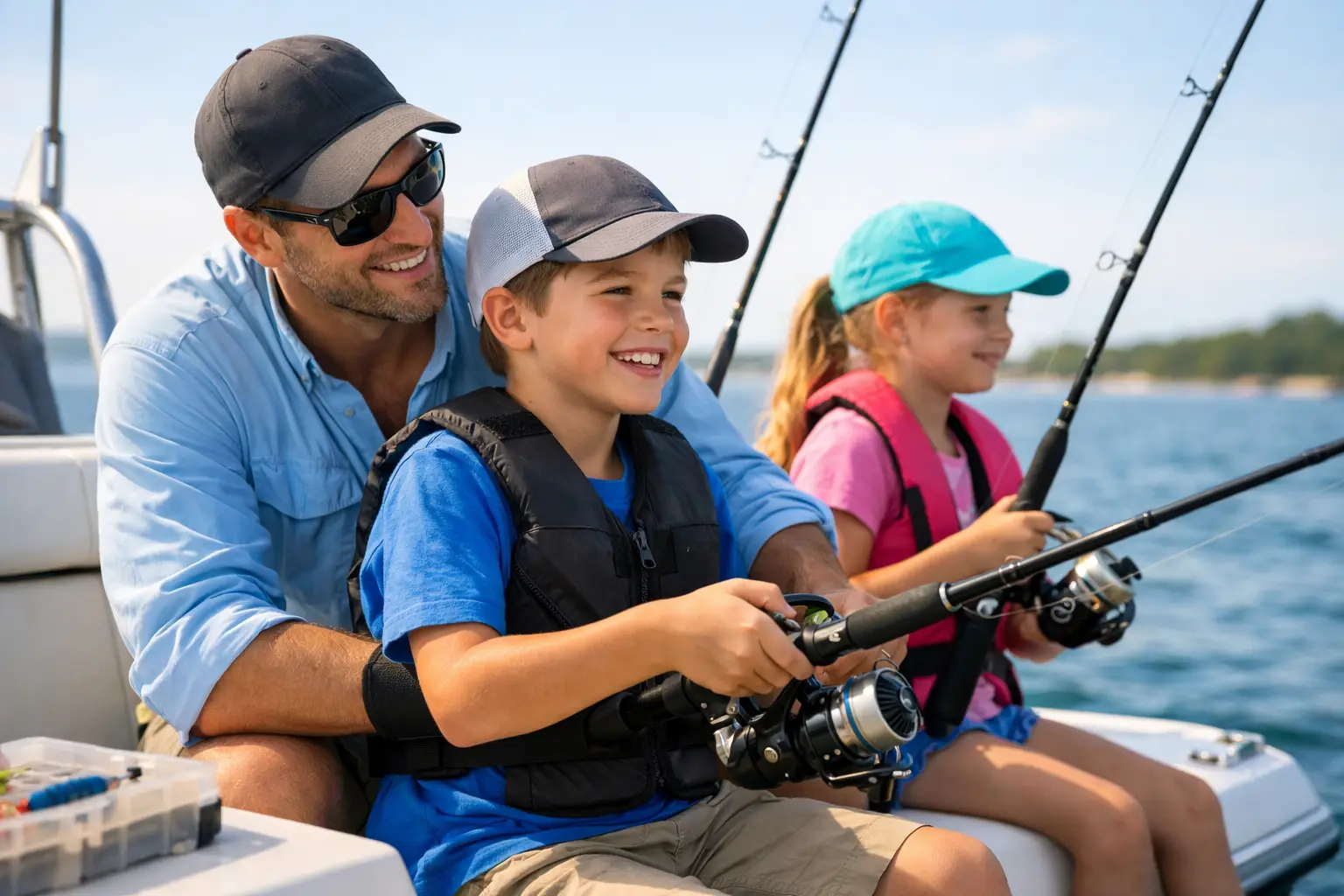
A kid’s first fish can turn into a lifelong obsession - but only if the day feels like an adventure, not a test of endurance. The best kid friendly fishing charters put young anglers in position to get bites, stay comfortable, and feel like part of the crew from the first cast to the ride back to the dock.
That does not always mean booking the biggest boat or the longest trip. For most families, a productive inshore morning close to shore beats a six-hour offshore run with rough water, long stretches between bites, and a tired kid counting the minutes until land. Match the trip to your child, not the photo you hope to post afterward.
What Makes a Charter Truly Kid Friendly?
A captain can be great with fish and still not be the right choice for a family trip. Kids need a captain who enjoys teaching, explains things in plain language, and understands that a seven-year-old may be more excited about a baitfish, dolphin sighting, or pelican than a trophy catch.
The right trip also has realistic expectations. A child does not need to fight a 60-pound tuna to have a memorable day. A hard-pulling redfish, a colorful reef fish, a speckled trout, or a fast run of schoolie striped bass can deliver far more action and confidence. The goal is bent rods, clear instruction, and enough downtime to enjoy being on the water.
Good family captains usually make the practical details easier, too. They have properly fitted life jackets, know protected water when conditions turn rough, bring manageable tackle, and can adjust the plan when the bite changes. They may let kids help net fish, choose a lure color, run a simple rod setup, or release the catch. Those little jobs make young anglers feel invested.
Choose the Fishing Trip Before You Choose the Boat
Start with the kind of experience your child can handle. Age matters, but temperament matters just as much. Some kids are ready for a full day at sea at nine. Others will have more fun on a two-hour creek trip at 12.
Inshore trips are often the smart first move
Inshore fishing is usually the strongest fit for families with younger anglers. These trips commonly run in bays, marshes, sounds, rivers, flats, and protected coastal water. The ride is often shorter, the water is generally calmer, and the captain can move quickly if one spot is slow.
Depending on where you fish, kids may target redfish, snook, speckled trout, flounder, black drum, sheepshead, striped bass, or largemouth bass. These are hands-on trips with plenty to see: birds working bait, dolphins, oyster bars, mangroves, marsh grass, and sometimes gators or manatees. That matters when the fishing pauses.
Nearshore can work for older kids
Nearshore trips can be a great step up for kids who are comfortable on boats and eager for larger fish. You may fish reefs, wrecks, jetties, or structure a few miles from the beach for species like snapper, grouper, mackerel, cobia, sea bass, and amberjack.
The trade-off is motion. Even a short run can feel big when there is wind or swell. Ask the captain how far offshore the normal plan runs and whether there is an inshore backup if the weather does not cooperate. A captain with a flexible plan is worth more than a rigid itinerary.
Offshore is not automatically better
Deep-sea fishing has serious appeal, especially when kids see photos of mahi-mahi, tuna, sailfish, or marlin. But the trip often includes longer travel, heavier tackle, bigger seas, and periods of trolling without constant action. For a young first-timer, that can be a lot.
Offshore can be excellent for teenagers or boat-savvy kids, particularly on a calm forecast. Just be honest about their attention span and motion-sickness history. A shorter half-day nearshore charter may build more excitement for a future offshore trip than pushing through a day they are not ready for.
Questions to Ask Before Booking Kid Friendly Fishing Charters
Do not settle for a vague answer like “families welcome.” Ask the captain or operator how they run trips with children. A direct conversation will tell you more than a polished boat photo ever will.
Ask whether they recommend a specific trip length for your child’s age, what species are biting right now, and whether the fishing area is protected or exposed. Find out if the boat has shade, a clean restroom or portable toilet, and enough seating for non-fishing adults. If you are bringing a preschooler, those details are not extras.
It also helps to ask what the kids will actually do. Will the captain handle every cast, or can a child participate in baiting hooks, casting, reeling, netting, and releasing? There is no single right answer. A four-year-old may need hands-on help all morning, while a confident 10-year-old may want a real shot at working a rod independently.
Finally, ask about the weather policy. Conditions can change fast, and a good captain will put safety ahead of forcing a trip. Know whether a cancellation means a refund, a reschedule, or a different fishing plan before you leave the dock.
Book for Action, Not Bragging Rights
When searching for a charter, lead with the fish your family wants to catch and the trip type that fits your time on the water. A family visiting Florida might look for inshore redfish or snook. A crew on the Gulf Coast may want a kid-friendly snapper or reef-fish trip. Families near the Northeast may prefer striped bass, bluefish, or fluke close to home.
That species-first approach cuts through a lot of noise. Unreel Charters lets anglers search for the catch they want, then narrow the field by location and trip style instead of scrolling generic vacation listings and hoping the boat is a fit.
Remember that seasonal reality wins. A captain may target a species all year in their marketing, but local conditions, regulations, water temperature, and bait movement determine what is actually possible on your date. The best captains will tell you what is likely to bite, not sell a fantasy.
Set Your Young Angler Up for a Good Day
Your prep can make or break the trip. Get kids to sleep early, eat a simple breakfast, and start hydration before reaching the marina. Bring sunscreen, sunglasses with a retainer, a hat, a light rain layer, snacks, and more water than you think you need. Skip bulky toys unless your child truly needs a comfort item. A boat gets crowded fast.
If motion sickness is a possibility, talk with a pediatrician or pharmacist before the trip. Do not wait until the boat is bouncing to test a remedy. On the water, keep kids looking toward the horizon, out in fresh air, and away from screens when possible.
Set expectations on the drive over. Explain that fishing includes casting, waiting, moving spots, and sometimes missing fish. Tell them the win is getting a chance to catch something and learning how the water works. That framing protects the day from the inevitable slow patch.
A few simple rules also help: life jackets stay on when the captain requires them, hooks are for adults unless the captain says otherwise, and every fish gets treated with respect. Kids tend to rise to the occasion when they know they have a real role aboard.
A Shorter Charter Can Be the Better Value
Families sometimes assume a longer trip gives them better odds. More time can help, especially for weather-sensitive or offshore fishing, but it is not always the best value for young kids. A focused three- or four-hour trip during a strong bite can produce a better experience than an eight-hour marathon.
Shorter trips also leave room for lunch, a beach stop, or a nap before a kid gets overtired. If your child finishes the day saying, “Can we go again?” you picked the right length. You can always book the bigger mission next time.
The captain’s local judgment is the final edge. Choose someone who knows the seasonal bite, can read the day’s conditions, and is willing to shape the trip around the people on board. Put your child in front of an active fish, hand them a rod they can manage, and give them room to enjoy the moment. That is how a family fishing trip becomes the story they keep telling long after the tackle is put away.