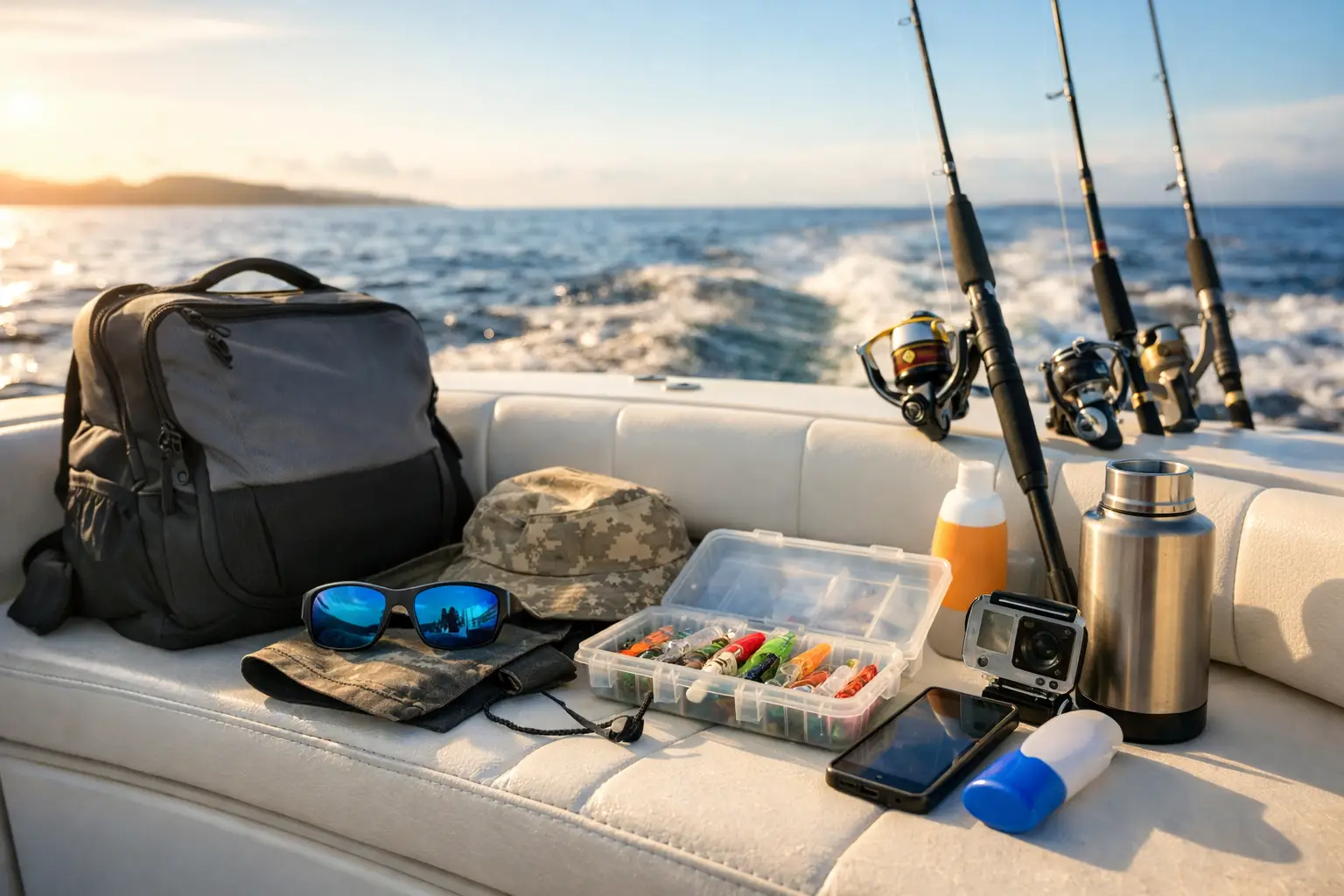
The dock is not the place to realize your sunglasses are on the kitchen counter, your phone is at 12 percent, and the only shirt you packed is cotton. Knowing what to bring on a fishing charter comes down to one simple rule: bring what makes you safer, more comfortable, and ready to fish - then let the captain handle the boatload of tackle.
A good charter captain has already put serious work into the day. They have watched the weather, checked tides or current, rigged baits, fueled the boat, and chosen a plan around the fish you want to catch. Your job is easier. Pack for the conditions, confirm what the trip includes, and avoid turning a fishing day into a gear-hauling project.
What to Bring on a Fishing Charter: Start With the Trip Details
Not every charter calls for the same bag. A four-hour inshore trip for redfish and speckled trout is different from a 10-hour offshore tuna run. A freshwater muskie charter may have you casting all day, while a reef-and-wreck trip can mean long runs, heat, spray, and plenty of time standing at the rail.
Before you pack, read the captain's trip notes and ask a few direct questions: What tackle, bait, licenses, and safety equipment are included? Is there a cooler onboard for drinks and fish? Should you bring lunch? What is the weather and water forecast looking like? And if you plan to keep fish, will the crew clean and bag the catch?
Most guided trips provide rods, reels, terminal tackle, bait, ice, and required safety gear. Many also cover the fishing license under the boat's charter license, but that is not universal. Do not assume. A captain would rather answer a quick text the day before than watch you show up without the one thing you needed.
If you are choosing a trip through Unreel Charters, start with the species and trip type. Once you have found a captain targeting the fish you are after, use the listing details to confirm the boat's setup and what is included before packing.
The Non-Negotiables for Your Boat Bag
Your bag does not need to be fancy. A small backpack or soft-sided dry bag is usually better than a giant hard cooler taking up deck space. Pack light, keep essentials easy to reach, and assume anything on a boat can get wet.
Bring these basics on nearly every charter:
- Sun protection: polarized sunglasses with a retainer, sunscreen, a hat, and a sun shirt or lightweight long-sleeve layer. Polarized lenses reduce glare and help you spot fish, structure, bait, and changing water color.
- Weather protection: a rain jacket or shell, plus a warm layer for early runs or cooler seasons. Even a hot summer day can feel cold when the boat is running before sunrise.
- Food and hydration: more water than you think you need, along with easy snacks or a packed lunch if the captain does not provide one. Avoid messy food that turns into a problem on a rocking deck.
- Personal essentials: your phone, a portable battery, any needed medication, a photo ID, cash for a tip, and a small hand towel. Put electronics and wallets in a waterproof pouch or zip-top bag.
Sunscreen deserves a little thought. Use it before leaving the dock, then reapply as directed. Spray sunscreen can drift across the deck and make surfaces slick, so lotion is often a better boat choice. If you are handling bait or touching food, wash your hands before rubbing sunscreen on your face.
Dress for Spray, Not the Parking Lot
The forecast on land can be misleading. Wind, boat speed, cloud cover, and sea spray can make the water feel 15 degrees cooler than the marina. Dress in layers you can remove instead of betting everything on one outfit.
For warm-weather saltwater trips, quick-dry shorts or pants, a performance shirt, hat, and non-marking deck shoes are a solid setup. Closed-toe shoes protect your feet from hooks, fish spines, coolers, and moving gear. Sandals can work on a calm family trip, but they are a poor call when you will be offshore, fighting larger fish, or moving around a wet deck.
For cold-water, shoulder-season, or Great Lakes trips, add insulated layers, waterproof outerwear, warm socks, and gloves that still allow you to handle a rod. Ask the captain whether boots are useful. Some boats prefer clean, non-marking shoes rather than heavy boots that can scuff the deck.
Skip cotton if you can. Once it gets wet, it stays wet and cold. Quick-dry fabric is not about looking like a catalog model. It is about being comfortable enough to keep fishing when the conditions turn.
Bring Motion-Sickness Protection Before You Need It
Seasickness can knock out a great day before the first line hits the water. It can happen to first-timers, experienced anglers, and anyone who slept poorly, drank too much the night before, or boarded on an empty stomach.
If you know you are prone to motion sickness, talk with a pharmacist or doctor ahead of time about options that are safe for you. Many over-the-counter medications work best when taken before the boat leaves the dock, not after you are already sick. Follow the product directions, and know that some options can make you drowsy.
The simple boat-day moves also matter: get sleep, eat a light meal, hydrate, keep your eyes on the horizon, and stay in fresh air. Avoid a heavy, greasy breakfast and avoid alcohol before the trip. Offshore crews see this all the time. No one wins a prize for toughing it out unprepared.
Should You Bring Your Own Fishing Gear?
Usually, no. One of the best reasons to book a charter is access to gear that is rigged for the local fish, water, and technique. A captain chasing tarpon, striped bass, walleye, sailfish, or halibut knows what rod action, line class, leader, hook, lure, and bait belongs on that trip. Their equipment is ready to go, and if something breaks, they have a backup.
Bring your own gear only when it adds real value. Maybe you are a fly angler with a favorite setup, a tournament team with specific tackle, or an experienced angler who wants to throw a proven lure. Ask first. The captain may welcome it, or they may have limits based on deck space, safety, local regulations, or the style of fishing.
If you do bring a rod, keep it simple. Transport it in a protective tube or case, and do not show up with six rods, three tackle boxes, and a rolling cart for a half-day trip. You booked local expertise. Let it work.
Fishing Licenses, Fish Bags, and the Catch Question
The license question is one of the biggest sources of pre-trip confusion. In many places, passengers fishing from a licensed charter boat are covered by the boat's license. In others, certain species, waters, states, or trip types require anglers to carry their own license or endorsement. Confirm it with the captain, especially on freshwater trips, multi-state waters, or specialized salmon, trout, and shellfish outings.
If you hope to take fish home, ask about harvest rules before the trip. Size limits, bag limits, seasons, and protected species are not suggestions. A captain will tell you what can legally be kept, but the final catch may depend on the day's bite and regulations.
Most crews have a fish-cleaning plan, but not all provide transport bags. Bring a cooler in your vehicle with ice or frozen water bottles for the ride home. Do not automatically carry it onto the boat unless the captain tells you to. Deck space is limited, and the boat may already have the right cooler system onboard.
What to Leave Behind
Leave glass containers, hard liquor, illegal substances, and anything that creates a safety issue at home. Also leave expensive jewelry, loose valuables, and shoes you would hate to soak in saltwater. Boats move, fish thrash, hooks fly, and good days can get wet.
A huge cooler, oversized duffel, and unnecessary tackle are also worth skipping. The best charter guests are prepared, flexible, and aware that the crew needs room to work. Bring your personal gear, listen during the safety briefing, and keep your bag out of the way once the fishing starts.
The final thing to bring is a good attitude toward the conditions. Fish do not read the itinerary, weather changes fast, and the best captains adjust. Show up ready, ask smart questions, and give your captain room to put you on the next unreel catch.