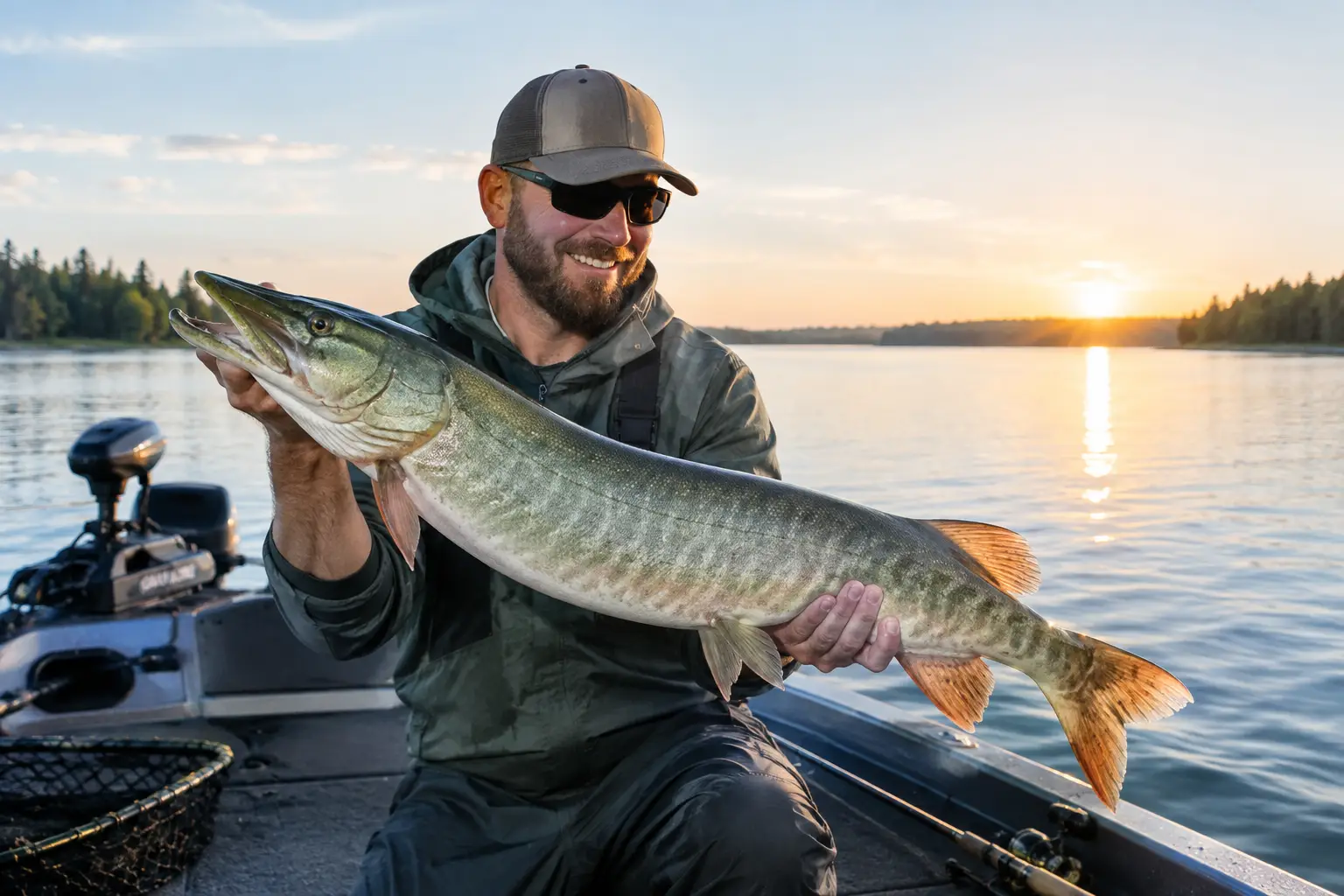
A muskie trip can turn on one clean figure-eight at boatside, then go quiet for six hours. That is why the top muskie trip planning tips are less about cramming tackle into a truck and more about putting yourself on the right water, with the right expectations, when a big fish is actually catchable.
Muskies are not a numbers game in the usual sense. A good day may mean a handful of follows, one committed strike, and a fish you remember for years. Plan for that reality, and you will make better choices before the first cast.
Start With the Kind of Muskie Trip You Want
Before picking a lake, decide what success looks like. Are you chasing your first muskie, looking for a true trophy, bringing friends who need consistent action, or trying to learn a new style such as casting big rubber, trolling, or fishing live bait where legal? Those goals can point to very different fisheries and trip formats.
A first-time angler may be better off on water known for solid populations and frequent encounters, even if it is not famous for the biggest fish in the region. An experienced angler who is comfortable grinding through slow windows may prefer a low-density trophy fishery. Neither choice is wrong, but mixing up the two leads to disappointment.
Also be honest about your group. Muskies demand repeated, accurate casting with heavy lures, long retrieves, and focus through slow stretches. A full-day trip is often the right call for serious anglers, but a half day can be smarter for families, beginners, or mixed-skill groups. The best trip is one your crew can fish hard without turning the day into work.
Choose Water by Season, Not Just Reputation
A famous muskie lake is not automatically the best destination for your travel dates. Water temperature, forage movement, weed growth, baitfish location, and weather patterns shape where fish live and how they feed. Ask what the fish are doing during the specific week you plan to visit.
Spring and early summer can offer active fish in warming bays, emerging weeds, shallow structure, and near spawning areas. This period can favor smaller presentations and water that warms quickly, though exact timing changes by latitude and weather. Later summer often pushes anglers toward deeper weed edges, offshore rock, suspended fish, and open-water bait. Fall can bring some of the year's heaviest fish, but conditions may be tougher and the casting load gets serious.
Do not treat the calendar as a guarantee. A cold front, unusual water level, extended heat, or a delayed weed cycle can rewrite a normal pattern. The local captain or guide should be able to explain what tends to happen in that season and what the current conditions are likely to change.
Consider Travel Range and Fishing Time
A destination that takes two travel days on each end may be worth it for a bucket-list fishery. But for a long weekend, a closer lake with more time on the water can be the better play. Muskies reward hours fished, especially around changing light, wind, and weather.
Build enough margin into the schedule to fish a full day after arrival rather than rolling in late, rushing to the dock, and learning the boat routine on the fly. If possible, book two consecutive days. Day one teaches you the water, the presentations, and the boat system. Day two lets you fish with purpose.
Book a Guide Who Matches Your Goal
A good muskie guide is not simply someone with a big boat and a wall of lures. Look for an operator who fishes the water you are considering regularly, communicates clearly about seasonal conditions, and runs a trip built for your experience level.
When you contact a captain, lead with the details that matter: your dates, number of anglers, casting experience, whether anyone has shoulder or mobility limitations, and whether your priority is a first fish, a trophy chance, or learning. Ask whether the trip is primarily casting, trolling, or a mix, and whether the day will involve long runs across big water.
A few direct questions can save a lot of guessing:
- What water and pattern are most productive around my dates?
- Is this a full casting day, a trolling day, or a flexible plan based on conditions?
- What gear is provided, and what should each angler bring?
- How many anglers can fish comfortably and safely at once?
- What is your weather, cancellation, and rescheduling policy?
Use a species-first search when comparing options. On Unreel Charters, start with muskie, then narrow the results by the state or destination you can realistically reach and the trip style that fits your crew. That is faster than sorting through general fishing trips that may not be designed around the fish you came for.
Pack for Repetition, Weather, and Big Fish Safety
Muskie fishing is physical. Pack layers that work in a boat all day, plus rain gear that is genuinely waterproof rather than an afterthought. Wind can make even a mild day feel cold, while a sunny afternoon on open water can be punishing. Bring polarized sunglasses, sunscreen, a hat that stays put, water, and enough food to keep your concentration up.
If your guide provides tackle, do not assume you need to haul a giant tackle box. Confirm what is supplied first. If you are bringing personal gear, match it to the plan. Heavy rods, strong reels, abrasion-resistant leaders, and proper release tools are standard muskie equipment for a reason.
Release tools are not optional when you are handling fish with large hooks and powerful jaws. A capable boat should have a large net, long pliers, hook cutters, jaw spreaders if the guide uses them, and a bump board for a quick measurement. The goal is simple: get the hooks out, support the fish correctly, revive it if needed, and return it in strong shape.
Practice Before You Arrive
You do not need to become an expert caster before a guided trip, but a little practice pays off. Work on controlled casting, stopping a lure before it slams into the rod tip, and making a wide turn near the boat. Muskies commonly follow a lure without striking until the final seconds of the retrieve.
Tell the guide if you are new to the figure-eight. They can coach your timing and boat position. This is one area where listening closely can turn an uneventful follow into the best strike of the trip.
Plan Around Weather Windows Without Chasing Perfection
Muskies can bite under bluebird skies, rain, wind, fog, and ugly fronts. There is no magic forecast that guarantees a fish. Still, weather affects comfort, boat control, safety, and the places a guide can fish effectively.
Wind is often useful because it moves water, positions bait, and breaks up surface glare. Too much wind, however, can make casting miserable or keep a smaller boat off exposed areas. Rain is manageable with good gear. Lightning is not. Keep the itinerary flexible enough that a weather delay does not ruin the whole trip.
Pay attention to moon phases and major feeding windows if your guide uses them, but do not let an app dictate every decision. A good guide reads the actual lake, the bait, the wind direction, and the fish behavior in front of them. Those clues matter more than a prediction on your phone.
Set Expectations for the Catch
The toughest part of muskie planning is mental. You can do nearly everything right and still not land one. That is the deal with a fish that lives at low density, grows slowly, and often gives anglers only a brief chance to convert.
Measure the day by more than a grip-and-grin photo. Did you learn how to work a weed edge? Did you see follows? Did you improve your figure-eight? Did your group stay engaged and fish clean through a weather change? Those are real wins, and they make the next trip better.
If a fish does hit, let the guide run the release process. Keep cameras ready but do not crowd the landing area. Quick, calm teamwork protects both the fish and everyone on the boat.
Leave Room for the Local Details
Check licenses well before departure, including any nonresident requirements or special stamps. Confirm launch time and meeting location the day before, then ask about parking, fuel stops, lodging distance, and whether there are stores nearby for food or ice. Remote muskie country can be part of the appeal, but it also rewards simple preparation.
Finally, do not show up married to one lure color, one spot type, or one internet pattern. You hired local knowledge for a reason. Bring your effort, your patience, and a willingness to learn. The next cast may be ordinary, or it may be the one that makes every mile of planning worth it.