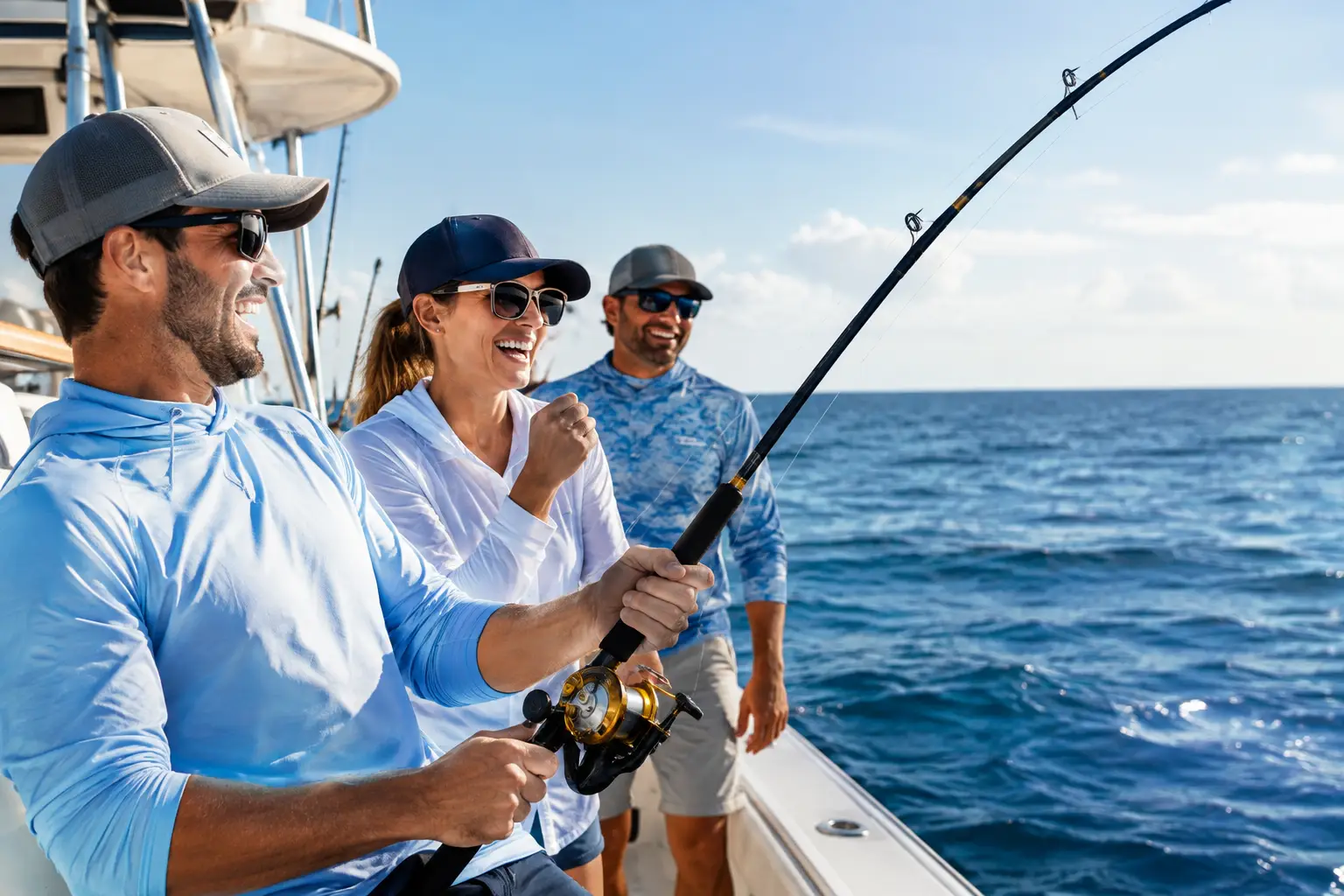
A corporate fishing trip goes sideways when the plan is built around the one serious angler in the group. The best corporate fishing outings give experienced anglers enough action to stay interested while making first-timers feel comfortable from the first cast. That means choosing the right water, the right trip length, and a boat setup that fits the group before anyone starts talking about trophy fish.
Fishing is a strong team day because there is room for both conversation and competition. But it is still a fishing trip. Weather changes, fish move, and not every crew wants the same experience. Plan around what your group can realistically handle, then let the catch be the bonus.
Start With the Group, Not the Fish
Before picking a destination or charter type, get a clear read on who is coming. A small crew of anglers can happily fish hard offshore, run long distances, and chase tuna, mahi mahi, or billfish. A mixed office group with several first-timers usually has more fun staying closer to shore, catching often, and getting back to the dock before fatigue takes over.
Ask attendees a few direct questions early: Have they fished from a boat before? Do they get motion sick? Are they comfortable standing for several hours? Is anyone bringing a spouse, client, or family member who wants a relaxed day rather than an all-out fishing mission?
Those answers matter more than whether someone has watched a few offshore fishing videos. A six-hour deep-sea run can be unforgettable for the right group, but it can feel long for people who did not expect open-water chop, travel time, and stretches between bites.
For most mixed-experience groups, a half-day inshore or nearshore trip is the safe call. You are usually closer to land, there is often more consistent action, and species such as redfish, speckled trout, snook, flounder, striped bass, or mackerel give new anglers a real shot at catching fish. The exact mix depends on where you fish and the season.
Pick the Trip That Matches the Day
The right fishing style sets the tone for the whole outing. Think about it as a choice between easy access, big-water adventure, and a specific target species.
Inshore trips for mixed groups
Inshore fishing is often the best fit for a corporate group that includes beginners. Creeks, bays, flats, marshes, and protected sounds can offer calmer water than the open ocean. There is plenty to do between bites too: working shorelines, spotting birds, watching bait move, and seeing coastal wildlife.
In Florida, the Gulf Coast, the Carolinas, Texas, and many Mid-Atlantic destinations, an inshore trip can put a group on familiar names like redfish, trout, snook, flounder, black drum, and sheepshead. It is hands-on fishing without committing the whole day to a long offshore ride.
Nearshore trips for more action and bigger fish
Nearshore is a good middle ground when the group wants saltwater energy but not a full offshore expedition. Reefs, wrecks, jetties, and beaches can hold king mackerel, cobia, snapper, grouper, Spanish mackerel, and other hard-fighting fish, depending on local regulations and the time of year.
This option works well for a crew with a few anglers who want stronger fights and a few first-timers who want regular chances to reel something in. Conditions still matter. If the forecast calls for rough water, a flexible group may be better off switching to an inshore plan.
Offshore trips for a committed fishing crew
Offshore trips make sense when the group is excited by the ride as much as the fishing. Think tuna, mahi mahi, wahoo, sailfish, marlin, and deep-water bottom fish. These trips can create the biggest stories, but they also require more time, more stamina, and more tolerance for changing conditions.
Book offshore when most attendees are on board with an early start and a longer day. If this is a client-facing event or a reward trip with many beginners, offshore can still work, but only when expectations are clear from the start.
Choose a Date With a Backup Mindset
Fishing dates should be chosen around more than everyone’s calendar. Seasonal runs, water temperature, weather patterns, and local fishing pressure all affect what is realistic.
If your group has a must-catch fish in mind, start there. Spring tarpon, summer mahi mahi, fall redfish, salmon runs, striped bass migrations, and winter sheepshead fishing each point you toward different regions and dates. If the group only wants a fun day on the water, prioritize a destination with dependable options across several species.
Morning trips are usually the easiest choice. Fish often feed well early, temperatures are more comfortable in warm-weather destinations, and the group has a built-in finish line before the afternoon. An afternoon departure can be a better fit for a group arriving the same day or for a shorter sunset trip, especially inshore.
Build some flexibility into the plan. Weather can force a reschedule or a move to more protected water. That is not a failed outing. A captain adjusting the plan to match conditions is doing exactly what you want. Avoid locking in meals, transportation, or other nonrefundable plans so tightly that a weather call becomes a headache for everyone.
Boat Size Matters More Than Most Planners Expect
Do not just count heads and assume everyone fits comfortably. A boat may be licensed for a certain number of passengers, but a group that fills every available spot can feel crowded once rods, tackle, coolers, and people are moving around during a bite.
Ask about the fishing layout, shade, seating, restroom access, and how many anglers can fish at one time. These details make a bigger difference on a corporate trip than they might on a small outing with close friends.
For a larger group, splitting across two boats is often smarter than squeezing everyone onto one. It gives people room to fish, keeps lines from tangling constantly, and creates a little friendly competition between crews. You can compare the biggest fish, most species, or first fish back at the dock without turning the day into a high-pressure tournament.
If someone in the group has mobility concerns, bring that up before booking. Boarding, seating, restroom needs, and the physical demands of the trip vary by boat and fishing style. It is much easier to choose a good fit beforehand than to improvise at the marina.
Set Expectations Before the Dock
The best corporate fishing outings have a simple plan shared with everyone a few days ahead. Let the group know the meeting time, marina location, expected return time, likely weather, and what they should bring.
Keep the packing list short. Sun protection, sunglasses, a hat, comfortable non-slip shoes, a light layer, and any personal motion-sickness medication are the essentials. Tell people to pack light. Big bags become clutter on a boat fast.
It also helps to explain the rhythm of the day. There may be a ride to the fishing grounds. Some people will catch quickly while others wait their turn. Fish can bite hard for an hour and go quiet for a while. That is normal, and it keeps a first-time angler from thinking they are doing something wrong.
A little structure improves the group experience. Pair confident anglers with newcomers when it makes sense, but do not let the experienced crew take every rod during a hot bite. The goal is shared participation. A first fish, a good fight, or a clean release will be more memorable to many guests than watching someone else fill a cooler.
Make Competition Optional, Not Mandatory
Friendly competition can add energy, especially if your group already has some fishing personalities. Keep it loose and easy to judge. Biggest fish, first fish, most species, or best photo are all better than complicated scoring systems.
Not every corporate group wants to compete. For some, the best part is simply a morning away from meetings with a rod in hand and a chance to talk without a screen between them. Read the room. If the group is relaxed, let the fishing create the moments naturally.
Photos are worth planning for, but do not turn every catch into a production. Have everyone take a few shots early, then let the day unfold. If fish are being released, support them properly, keep them in the water when possible, and get the picture quickly.
How to Find the Right Charter
Start your search with three filters: where you want to fish, what your group wants to catch, and the trip type your least-experienced attendee can enjoy. That narrows the field faster than searching for a generic company event.
Then look for trip details that answer practical questions: trip length, the usual target species, whether the water is inshore or offshore, group capacity, and what gear is included. When you contact the captain, describe the group honestly. Mention the number of anglers, experience range, any mobility needs, and whether the day is meant to be relaxed, competitive, or focused on a particular fish.
A good plan leaves room for the water to make the final call. Choose a trip your whole group can enjoy, show up ready to learn, and let the first tight line do the rest.