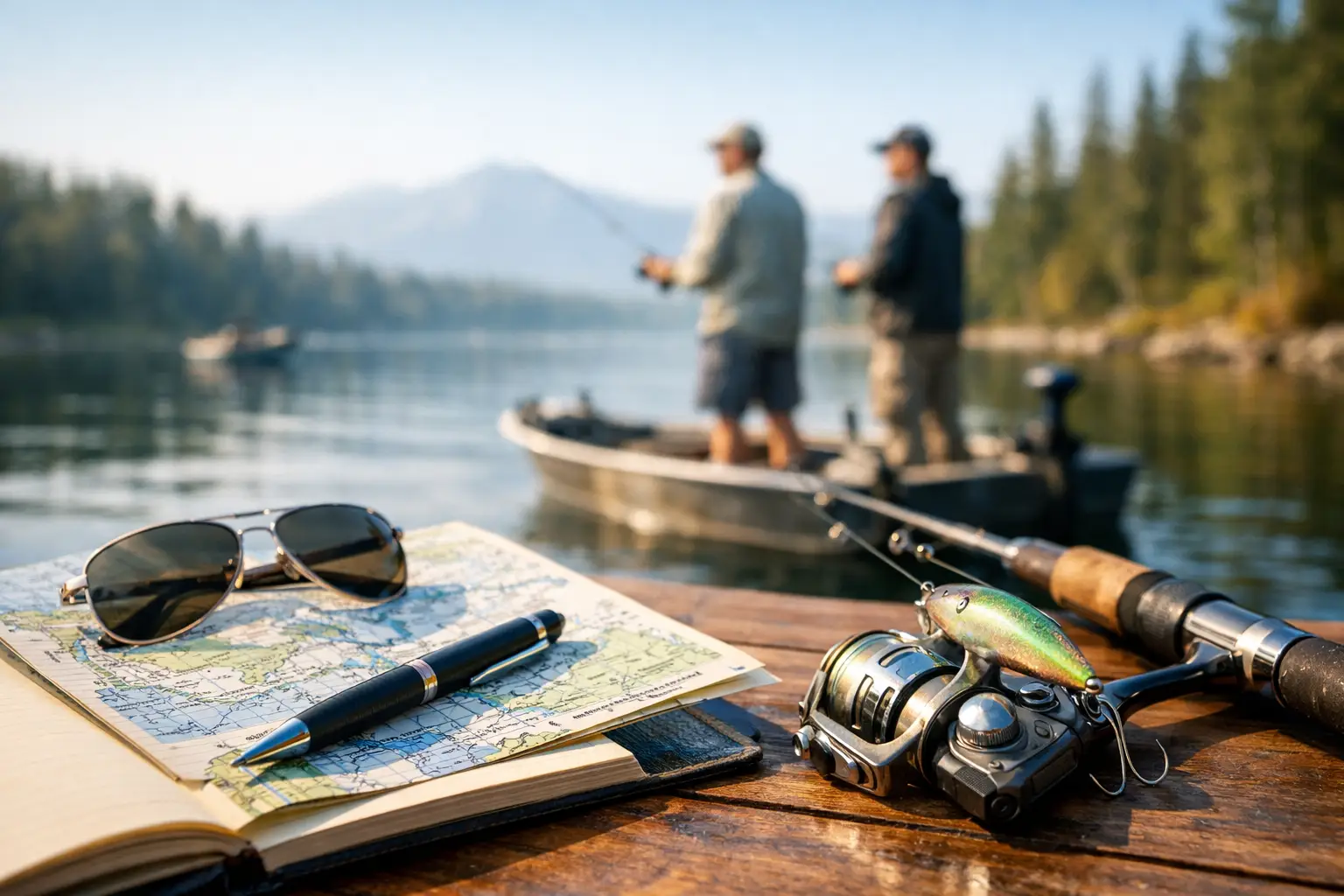
A redfish can be tailing ten minutes from the dock while an offshore boat is burning fuel toward blue water. A salmon run can be hot at daylight and quiet by noon. That is why fishing guides are more than someone who drives the boat and hands over a rod. The right one puts you in the right water, at the right time, with a plan built around the fish you actually want to catch.
Booking a guided trip should not start with a generic vacation search. Start with the catch. Whether you want a kid-friendly inshore day for speckled trout, a fly-fishing shot at trout, or an all-day run for tuna, the species determines the trip, the gear, the season, and the kind of captain or guide you need.
What a Good Fishing Guide Really Brings
Local knowledge is the obvious answer, but it is only part of the job. A good guide reads changing conditions, understands fish movement, keeps the group comfortable, and knows when to abandon a dead plan before it burns half the day. They may know which oyster bar holds redfish on a falling tide, which wreck is producing amberjack, or where a river bend gives trout a little cold-water refuge in late summer.
They also remove the expensive learning curve. That does not mean every trip is a guaranteed limit or a hero photo. Weather turns, bait moves, water dirties up, and fish get stubborn. Anyone promising nonstop action regardless of conditions is selling more than fishing. A credible guide explains the realistic opportunity, adjusts to the day, and works hard from the first cast to the last.
On a charter boat, the captain is responsible for navigation, safety, and the overall trip. A mate may rig baits, net fish, coach anglers, and keep the deck moving. On a river, lake, or flats trip, one person may fill every role. The title matters less than the experience they offer and whether it fits your group.
Choose Fishing Guides by the Fish First
The fastest way to narrow a huge list of charter options is simple: decide what you want to catch. A captain who is excellent on summer mahi may not be the best fit for winter striped bass. A guide who specializes in technical permit fishing may not be the right call for a first-time family that wants steady action and a cooler of fish.
Start by being honest about the goal. Do you want a trophy, dinner, a first fish for your kids, a tournament tune-up, or a hard-core day with experienced anglers? There is no wrong answer, but vague expectations create bad bookings.
For example, an inshore trip often makes sense for redfish, snook, flounder, trout, striped bass, and similar species that can be reached without a long offshore run. These trips can be a strong choice for families, shorter schedules, and anglers who are unsure how they will handle open water. Offshore and deep-sea trips usually involve more travel time, heavier tackle, bigger weather variables, and species such as tuna, marlin, sailfish, wahoo, and grouper.
Freshwater works the same way. Muskie, bass, walleye, salmon, crappie, and trout all have different seasonal windows, presentations, and boat setups. A bass guide may be a great teacher on a local lake, while a drift-boat guide is built for moving water and fly rods. Match the guide's specialty to your target instead of assuming every local operator fishes every species equally well.
Let Season Set the Expectations
Species pages and fishing reports can point you in the right direction, but the captain's current read matters most. Fish do not follow a calendar perfectly. Wind direction, water temperature, rain, bait, and local regulations can shift a bite quickly.
Ask what is producing during your travel dates and what the backup plan looks like. Maybe the tarpon are around, but the weather forecast favors a protected snook and redfish trip. Maybe the offshore bite is good, but a first-time group would have a better day on nearshore reefs. Flexibility is not settling for less. It is how knowledgeable guides turn imperfect conditions into a worthwhile day.
Pick the Trip Type Before You Pick the Boat
Trip length changes the whole experience. A four-hour inshore charter can be plenty for newer anglers, young kids, or anyone who wants a clean introduction without making a full-day commitment. Six to eight hours gives a captain more room to follow tides, move between spots, and recover from a slow start. Full-day offshore trips may be necessary when the fish live far from the inlet.
Do not book the longest trip just because it sounds serious. If your group has never been offshore, an eight-hour run in rough weather can become a long day fast. On the other hand, a short trip can feel rushed if your real goal requires a long ride or a narrow bite window. Ask how much of the charter will be travel, how much will be fishing, and whether the route is weather dependent.
The fishing style matters too. Sight-casting on the flats, trolling bluewater, bottom fishing wrecks, drifting a river, casting artificials, live-bait fishing, and fly-fishing all demand different levels of attention and physical effort. Tell the guide what you enjoy. If you want to learn to throw a topwater plug, say so. If you would rather use proven bait and put fish in the boat, say that too.
Read a Captain Profile Like an Angler
Photos of big fish are fun, but they should not be your only filter. Look for signs that a captain consistently runs the type of trips you want. Recent catch reports, species-specific photos, a clear description of the fishing area, and details on trip lengths tell you much more than one old trophy shot.
Pay attention to the practical stuff: boat capacity, departure location, restroom availability, shade, tackle, bait, licenses, fish cleaning, and what you need to bring. A 22-foot skiff built for two anglers stalking redfish is not a bad boat. It is just not the same product as a 35-foot offshore boat for six people. Bigger is not always better. The right setup is the one that supports the fishing you booked.
Reviews can help, especially when they mention communication, patience, safety, and how the captain handled a tough weather day. Still, read them with context. A client upset that rough seas canceled an offshore trip is not necessarily reporting poor service. A captain willing to call it for safety is doing the job right.
A species-first search makes this process much cleaner. On Unreel Charters, anglers can start with the fish, then narrow the search by location and trip type instead of digging through generic travel listings that may have nothing to do with the bite they want.
Ask These Questions Before You Send a Deposit
A quick conversation can save you from booking the wrong day. Ask what species are most realistic for your dates, how many people can fish comfortably, and what the captain recommends for your group's experience level. Confirm the departure point and time, what is included, and what happens if weather forces a cancellation or a change in plan.
If you are targeting a specific fish, ask how the guide normally pursues it. Are you trolling, casting, jigging, drifting, or fly-fishing? Is the trip catch-and-release, harvest-focused, or a mix depending on regulations and the species? You do not need to sound like a tournament angler. Clear questions show the captain you care about getting the fit right.
Also discuss physical needs early. Let the operator know if anyone has mobility limitations, gets seasick, is bringing small children, or needs a private charter experience. Most good guides can make practical recommendations, but they need the information before launch day.
Price Is Only One Part of the Value
The cheapest listing is not always a deal, and the highest price does not automatically mean a better trip. Rates reflect location, fuel distance, boat size, tackle, crew, permits, insurance, trip length, and the target species. A deep-water tuna run naturally costs more than a protected-water half day because the operating costs are not even close.
Compare like with like. Look at the number of anglers included, the hours on the water, whether bait and tackle are supplied, and whether there are likely add-ons such as fuel surcharges, mate gratuity, or cleaning fees. Most captains are direct about these details when asked. That is the kind of straight answer you want before you book.
The best value is a trip that matches the reason you are going. A newcomer who learns how to cast, lands a few fish, and wants to come back got a great day. An experienced crew that spends all day chasing a hard target may get fewer bites but still have the exact adventure they came for.
Show Up Ready to Fish
Your guide handles the fishing plan. You handle the basics. Bring sun protection, weather-appropriate layers, non-slip shoes, water, and any personal medication. Polarized sunglasses make a real difference for spotting fish, reading water, and protecting your eyes. If you are prone to motion sickness, deal with it before the boat leaves the dock, not after the horizon starts rolling.
Arrive early, listen to the safety briefing, and be upfront about your skill level. Good guides would rather teach you from square one than find out after a missed fish that you have never used a spinning reel. If you have a bucket-list species in mind, tell them. Then trust their call when the conditions demand a different approach.
The right trip is not the one with the flashiest boat or the loudest promise. It is the one where your target, your crew, the season, and the guide's real specialty all line up. Get those pieces right, and the first cast feels less like a gamble and more like the start of a day worth remembering.