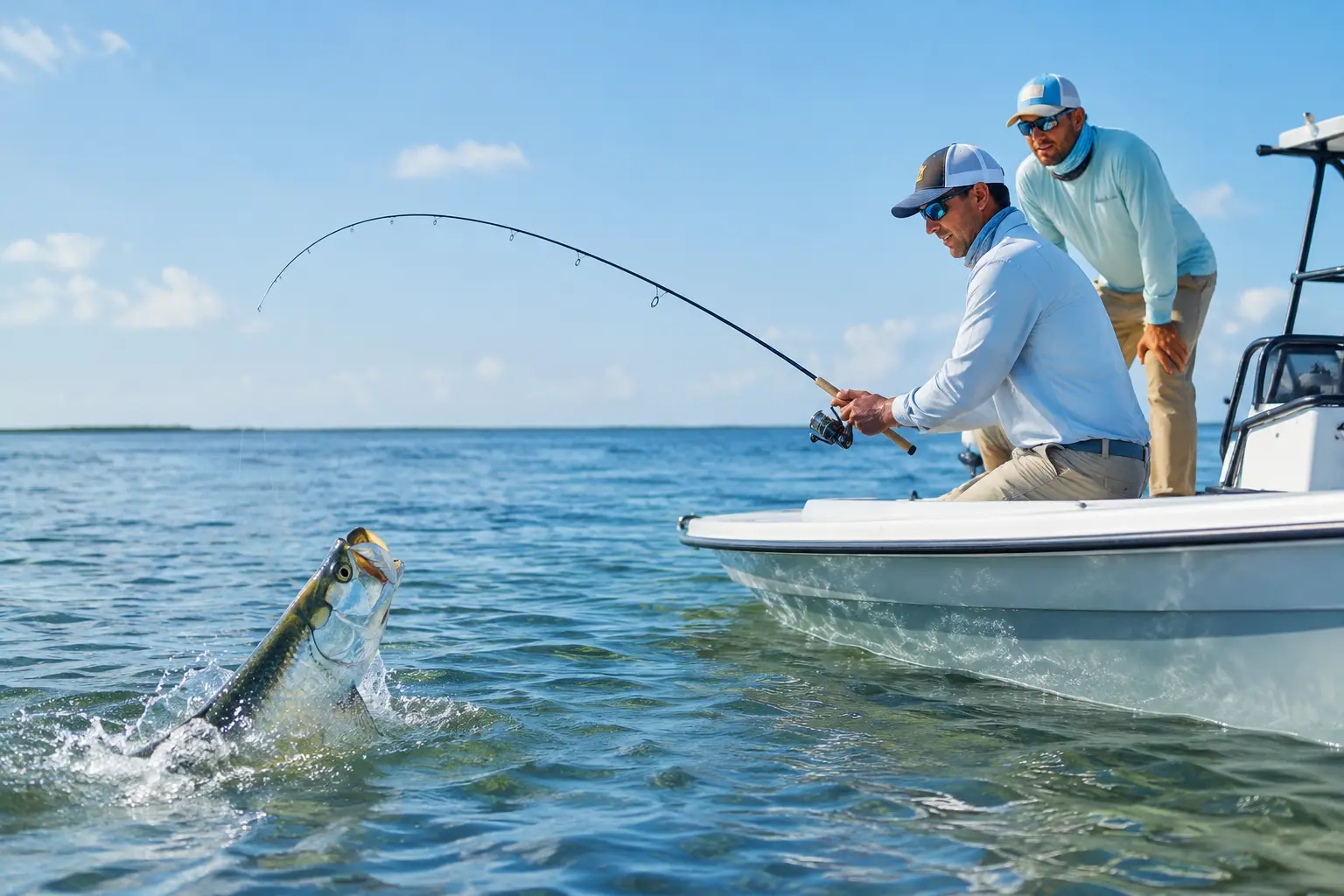
A tarpon trip can mean a quiet sunrise in the backcountry, a fly rod bent over a shallow flat, or a hard-running fish crashing a live bait near an ocean pass. Those are not the same trip, and that is why learning how to find tarpon guides starts with more than searching for a captain in a famous destination. Start with the fish, the season, and the kind of fight you want.
Tarpon are one of the most sought-after game fish in the country for good reason. They jump, pull hard, and turn a good day on the water into the story everyone tells when the cooler is empty and the photos are still getting passed around. But they are also seasonal, weather-sensitive, and highly regional. The right guide is the one who understands the specific tarpon fishery you want to fish - not just one who happens to offer tarpon on a general charter menu.
Start With the Tarpon Trip You Actually Want
Before comparing guides, get clear on what success looks like for your crew. Are you chasing your first tarpon and want steady action with conventional tackle? Are you an experienced fly angler looking for a shot at a laid-up fish in skinny water? Do you want to bring kids, fish at night around bridges, or target migrating fish along the beach?
A captain who is excellent at live-bait fishing a pass may not run dedicated fly trips on the flats. Likewise, a technical sight-fishing guide may be the wrong fit for a group that wants room to move around, straightforward instruction, and the best available bite. Neither style is better. They are different tools for different days.
It also helps to decide whether landing a large fish is the only goal. Tarpon fishing can involve long stretches of watching, waiting, and making precise casts, especially during a sight-fishing trip. If your group wants frequent bites and a more relaxed pace, tell the captain that upfront. A good guide will set honest expectations and may recommend a mixed inshore trip if conditions make tarpon a low-percentage play.
Choose a Fishery Based on Timing, Not Hype
The best tarpon destination is usually the one that lines up with your travel dates. A world-class fishery can be painfully slow outside its prime window, while another region may be full of fish when you are ready to go.
Florida offers several distinct tarpon opportunities, from spring migrations and beach fish to backcountry juveniles, bridge fishing, and summer pass action. The Gulf Coast from Texas through the Florida Panhandle can produce seasonal shots, while parts of the Carolinas and Georgia see fish during warmer months. Louisiana gives anglers a different kind of inshore tarpon opportunity around marsh edges, passes, and coastal waters.
Ask guides what part of the tarpon season your dates fall into. You want a direct answer: resident fish, migration, post-spawn fish, juvenile tarpon, or a weather-dependent window. “Tarpon are around” is not enough information to plan a serious trip.
Migration Fish vs. Resident Fish
Migration fish are often the fish anglers picture - large, silver, powerful adults traveling along beaches, through passes, and across coastal channels. They can offer spectacular visual fishing, but the action can change quickly with wind, water clarity, bait movement, and pressure.
Resident tarpon are often more dependable in a local area, especially where deep channels, bridges, mangroves, or protected backwaters hold fish for extended periods. They may be smaller on average, though “smaller” is relative with tarpon. These trips can be a smart choice for anglers with fixed travel dates or families who need a more flexible plan.
Search by Species, Location, and Trip Style
A generic search for a fishing charter creates too much noise. You may find offshore operators, bottom-fishing boats, and general inshore trips that are not built around tarpon at all. Filter your search in the order anglers naturally think: target species first, then location, then trip type.
For example, search for tarpon guides in the region you can realistically reach, then look for details that show how they fish. Does the trip description mention sight fishing, fly fishing, live bait, artificial lures, bridge fishing, nighttime trips, or backcountry water? Are the listed trip lengths realistic for the area and technique?
Unreel Charters is built around that species-first approach, helping anglers narrow the field by the fish they want to catch instead of digging through generic travel listings. It is a faster way to get from “we want tarpon” to captains who actually pursue them.
Read a Captain Profile Like an Angler
A polished photo is nice. Useful trip details matter more. Look for signs that the operator has a clear tarpon program rather than adding the species as an afterthought.
First, check whether recent photos and descriptions show tarpon caught in the same fishery and season you are considering. A captain may have years of excellent tarpon experience but focus on another species during your travel month. That does not rule them out, but it gives you a better question to ask.
Then look at the boat setup. A flats skiff is ideal for shallow-water sight fishing and quiet approaches, but it may not be the best platform for a larger family group or a rough inlet crossing. A bay boat can offer more room and range, while a center console may be the right choice for beach, pass, or nearshore fishing. The boat should match the water, the weather, and the people aboard.
Finally, pay attention to how the captain communicates. Good profiles explain the fishing style, trip pace, skill level, tackle, and seasonal reality. Straight answers beat big promises every time.
Questions to Ask Before You Book a Tarpon Guide
A short conversation can tell you more than twenty photos. You do not need to interrogate the captain, but you should give them enough information to recommend the right trip.
Tell them your dates, number of anglers, experience level, preferred tackle, and whether anyone has mobility limits or gets seasick. Then ask how they would target tarpon during that period. Their answer should cover where they expect to fish, what conditions matter most, and what the backup plan is if wind or water clarity changes the game.
Ask whether the trip is catch-and-release only, how fish handling works, and whether photos will be taken in the water. Tarpon are tough, but they deserve careful handling. A captain who prioritizes a quick release, proper support, and fish welfare is protecting the fishery that keeps people coming back.
You should also ask what is included. Clarify licenses, bait, tackle, flies if applicable, water, fuel, and gratuity expectations before the trip. If you want to bring your own rod or fly gear, check first. Some guides welcome it; others have specific setups matched to their boat and fishery.
Match the Tactic to Your Skill Level
Tarpon fishing has a learning curve, and there is no shame in choosing the trip that gives you the best shot at a memorable day. Live bait is often the most approachable route for first-timers. You will still need to stay alert, make a clean hook-set when directed, and fight the fish with discipline, but the casting demand is lower.
Artificial-lure trips can be active and rewarding, especially around juvenile fish or feeding tarpon. Fly fishing is the most technical option. It can be electric when everything lines up, but it asks for accurate casting, quick line control, and patience when a fish refuses a good presentation. If this is your first fly tarpon trip, be honest about your casting range. A capable guide can coach you, but no captain can stop a tailing fish from noticing a sloppy cast.
Do Not Book on Price Alone
Tarpon trips vary in cost because boats, fuel, access, trip length, and fishing style vary. A lower price may be a great value if it fits your group and the fishery. It may also mean a shorter trip, fewer anglers, a less specialized setup, or a captain targeting several species rather than focusing on tarpon.
Compare the full trip, not just the number at the top of the page. A slightly longer outing may matter during a tide-dependent bite. A private boat may be worth it for a family or serious fly angler. On the other hand, a simple half-day resident-tarpon trip can be exactly right if you are adding fishing to a larger vacation.
The goal is not to buy the most expensive charter. It is to pay for the experience that fits the fish, conditions, and people in your group.
Book Early, Then Stay Flexible
Prime tarpon windows fill quickly, particularly weekends, holiday weeks, and peak migration periods. If your travel dates are fixed, start your search well ahead of time and contact a few qualified guides before the calendar gets tight.
Once you book, keep an eye on messages from your captain. Tarpon plans can shift with wind, thunderstorms, tides, water color, and fish movement. Flexibility is not a red flag. It is often proof that your guide is making decisions based on the water instead of running the same trip no matter what.
The best tarpon guide will not promise a silver king on command. They will give you a smart plan, tell you what the day requires, and put you in the strongest position when the fish finally show. That is the kind of captain worth finding - and the kind of trip worth remembering.