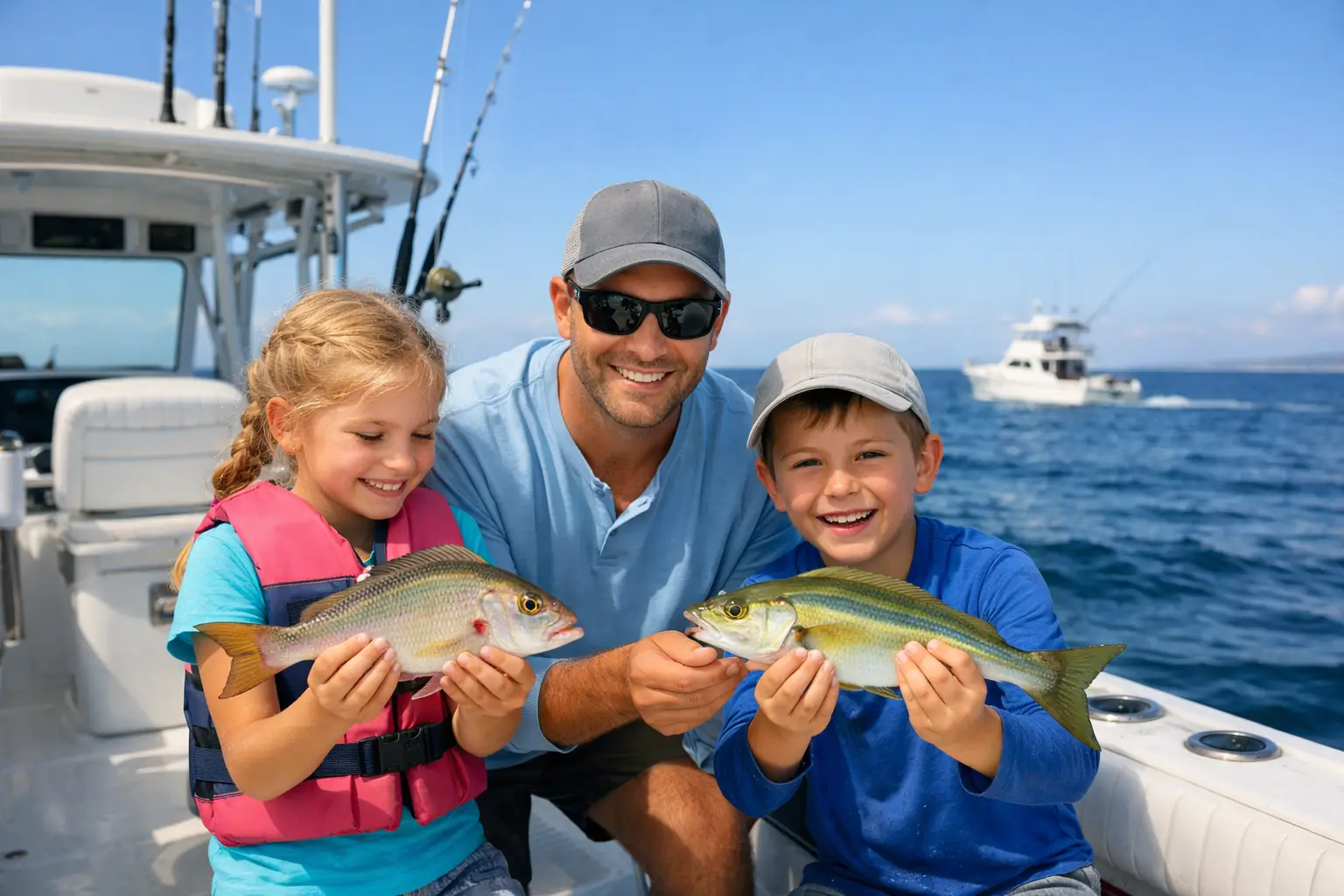
A child does not need a trophy fish to remember a fishing trip. They need bites, room to move, a captain who can keep the action moving, and a fish that gives them a real shot at feeling that first hard tug. The best fish for children are usually plentiful, willing to bite, and available close to the dock or shore - not necessarily the biggest fish on the poster.
That does not mean a family trip has to be watered down. A good kid-friendly charter can put everyone on fish while building toward a bigger target if conditions cooperate. The trick is choosing the species and trip style around the youngest angler on board, not around the most ambitious fishing story in the group.
What Makes a Fish Kid-Friendly?
For young anglers, steady action beats a long wait almost every time. Fish that live in protected bays, marshes, lakes, rivers, reefs, and nearshore water are often a better call than a long offshore run. Less travel time means more fishing time, and calmer water helps avoid the rough ride and seasickness that can end a day early.
Size matters, but not in the way many adults think. A fish needs enough pull to feel exciting, yet it should be manageable on light tackle. The best targets also give a captain options: if one bite slows down, there is another flat, dock line, wreck, brush pile, or reef nearby.
Age and attention span matter too. A focused 10-year-old may love casting lures for snook or chasing striped bass. A five-year-old may have more fun dropping bait straight down for a mess of bluegill, grunts, or sea bass. Tell the captain each child's age and experience level before booking. That is useful trip-planning information, not a request to lower the standard.
The Best Fish for Children by Trip Type
1. Bluegill and Sunfish
Bluegill, pumpkinseed, redear sunfish, and similar panfish are hard to beat for first-time freshwater anglers. They are common in ponds, lakes, and quiet coves, and they often bite readily on small pieces of worm or other simple bait. Kids can watch a bobber, see it twitch, and connect the movement to what is happening below the surface.
They may not make screaming runs, but that is part of their value. A child can cast or drop a bait, set the hook, and land the fish with minimal help. That quick sequence builds confidence fast.
2. Crappie
Crappie are another excellent freshwater option when they are schooled up. A guide who knows the local brush piles, docks, and submerged cover can keep rods bending without asking kids to make long casts all day. They are also manageable on light tackle and make a great target for a family that wants to bring home dinner where regulations allow.
The trade-off is that crappie can be seasonal and location-dependent. They are a better planned target than a guaranteed year-round answer.
3. Channel Catfish
For kids who want a stronger pull without moving into difficult fishing, channel catfish are a smart pick. They take bait well, fight harder than their size suggests, and can be caught from lakes, rivers, and ponds. The setup is simple enough for beginners, but the surprise of a catfish digging toward the bottom keeps the moment exciting.
Ask whether the trip involves stationary bait fishing or frequent moves. Some kids are happy waiting with snacks and a rod holder; others do better on an active trip where the captain changes spots often.
4. Largemouth Bass
Largemouth bass can turn a young angler into a lifelong fishing addict. Watching a bass crush a topwater lure near a weed edge is the kind of moment that gets retold at school. They are available across much of the country, and guided trips can adjust techniques to match a child's skill level.
Bass are not always the best choice for very young first-timers because bites can be less consistent than panfish. For kids who can cast a little and stay engaged through slower stretches, though, they are a major step up in excitement.
5. Rainbow Trout
Stocked trout ponds and rivers can offer fast action, clear visual cues, and a real chance at a fish worth holding up for a photo. Rainbow trout are a particularly good family target where they are abundant because children can often fish with simple bait, small spinners, or floats.
Water temperature and season control the bite, so a local guide's call matters. Trout fishing can be fantastic for children, but it is less forgiving when weather or runoff changes the water.
6. Redfish
On the saltwater side, redfish are one of the best fish for children who are ready for a memorable inshore fight. They live in marshes, bays, tidal creeks, and shallow flats, so the ride is often short and the water can stay protected. A slot-sized redfish pulls hard enough to feel serious but can usually be handled on light spinning gear.
Live bait under a popping cork gives kids something to watch, while casting soft plastics can keep older children involved. Redfish are especially good for mixed-age families because adults can fish seriously while younger anglers still have a realistic chance at their own catch.
7. Speckled Trout
Speckled trout, often called spotted seatrout, are a strong companion target on an inshore family trip. When they are feeding, the action can be quick, and the tackle is light enough for younger anglers. A captain can work grass flats, oyster edges, and deeper holes depending on tide and weather.
They are not as powerful as redfish, but that can be a plus for small children. A steady run of trout keeps the crew busy and leaves room for a surprise redfish, flounder, or snook.
8. Flounder
Flounder make kids look twice. Their flat shape, sideways eyes, and camouflage create a built-in lesson before the photo even happens. They are caught in many coastal bays, passes, and nearshore areas, usually with simple bait presentations that work well for beginners.
The catch is that flounder fishing can involve slower periods while waiting for a bite. They work best on a trip where the captain can mix them into a broader inshore plan rather than betting the entire day on one species.
9. Porgies, Grunts, and Sea Bass
If your family is near the coast and wants nonstop rod action, reef fish can be the answer. Porgies, grunts, and sea bass are often caught by dropping bait straight down over structure. That removes the hardest part for many children: casting accurately.
These fish are ideal for a half-day nearshore outing, particularly when the weather is calm. The downside is that a boat may still need to run into open water, so ask about the distance to the fishing grounds and the expected conditions before you go.
10. Mackerel
Spanish mackerel are a thrill when they are around. They hit fast, run hard, and can create the kind of visual surface action kids never forget. They are a good target for older children who can manage a rod, follow instructions around sharp hooks, and stay alert during a quick bite.
Because mackerel have teeth and move fast, they are not a hands-on fish for the smallest anglers. Let the captain handle unhooking, and keep kids back from the business end of the fish.
Choose the Right Charter, Not Just the Right Species
A species-first plan is the fastest way to find the right trip, but the captain's approach is what makes a family day work. Look for an inshore, lake, river, or nearshore trip with flexible targets and a realistic duration. For many young children, four hours is plenty. A full day can be great for older kids who already know they love being on the water.
Be direct when you talk with a captain. Share the children's ages, whether they have fished before, and whether anyone gets motion sick. Ask if the trip can start with reliable action, whether bait fishing is available, and how far the boat typically runs. A skilled local captain will give you a straight answer based on season, tide, weather, and the fish that are actually biting.
Pack water, sunscreen, layers, snacks, and a change of clothes. More importantly, set the expectation that fishing includes missed bites, tangled lines, and fish that get away. Those are not failures. They are part of the story.
Start young anglers on fish that are willing to cooperate, celebrate every bite, and let the day grow from there. The best family charter is the one that sends a child home asking when they can fish again.