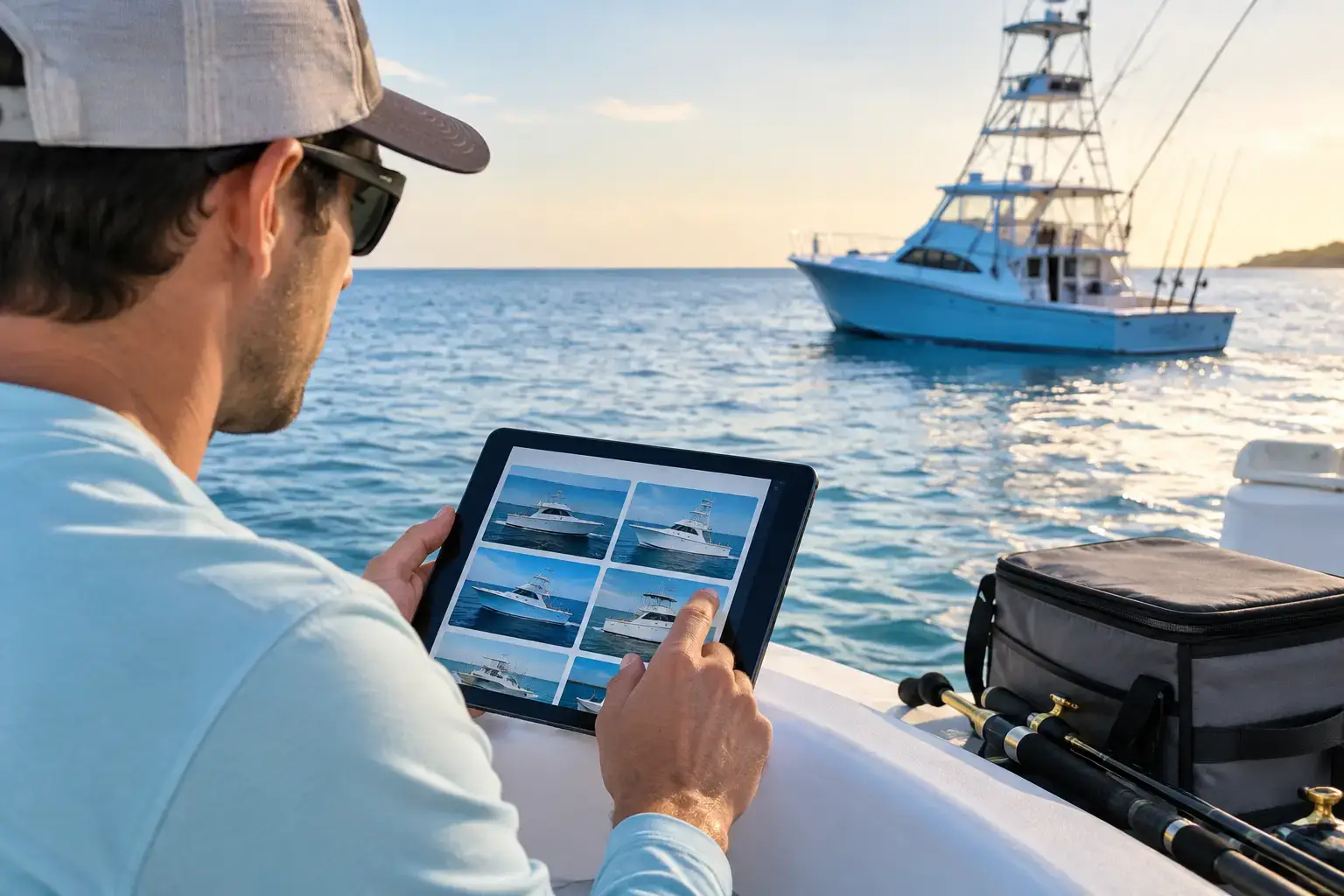
A page full of charter options can feel less like trip planning and more like sorting a tackle box in rough water. Charter directories give us a better starting point, but only if we use them to answer the questions that actually shape the day: What do we want to catch? Where are those fish available? And what kind of water do we want to fish?
The goal is not to find the first open boat. It is to find a trip that fits the anglers in your group, the season, the budget, and the kind of fishing story you hope to come home with. A family looking for steady redfish action in protected water needs a different trip than a crew willing to run offshore before sunrise for tuna.
Start with the fish, not the boat
The fastest way to turn a broad search into a real plan is to begin with your target species. Fishing is seasonal, regional, and often weather-dependent. A great charter for striped bass may not be the right fit for a permit trip, and a captain who spends most days on shallow grass flats may not offer the offshore run your group has in mind.
Start by deciding whether you have one must-catch fish or a flexible wish list. If someone in the group has their heart set on tarpon, salmon, halibut, bluefin tuna, or muskie, search around that species first. You can then compare destinations and trip types where that fish is commonly available during your travel window.
If the group is more interested in action than a specific trophy, cast a wider net. Inshore trips for redfish, speckled trout, snook, flounder, striped bass, or smallmouth bass can be a strong choice for mixed-experience groups. These trips often keep the ride manageable and put more time into fishing. That does not mean inshore is always easy, or offshore is always better. It means the best trip depends on what your crew wants from the day.
When a directory lets you search by species, use it as a planning tool, not a guarantee. Fish move. Water temperatures change. A local bite can heat up or slow down quickly. The species filter gets you into the right neighborhood. The trip details and a conversation with the captain help confirm whether the timing makes sense.
Use charter directories to match trip style
Once you know the fish or general experience you want, narrow the search by trip type. This is where many first-time anglers avoid a bad fit before it ever reaches the dock.
Inshore fishing usually means protected bays, marshes, tidal rivers, flats, or backcountry water. It can offer a calmer ride, plenty of casting, and a good pace for kids, beginners, and anglers who want to stay close to shore. Nearshore trips may fish beaches, passes, reefs, and structure within sight of land. They can add larger species and more open water without committing to a long offshore run.
Offshore and deep-sea trips are built for anglers chasing pelagic fish, bottom species, and big-water experiences. Think tuna, mahi mahi, marlin, sailfish, wahoo, grouper, snapper, and amberjack, depending on the region and season. The payoff can be huge, but so can the travel time. A full day may include long runs before the first line goes in, especially when fish are holding far from the inlet.
Fly fishing is its own decision. A fly trip can be a quiet stalk through shallow water for bonefish, redfish, snook, permit, or trout. It may reward precise casting and patience more than constant bites. Reef and wreck trips lean toward structure fishing, often with vertical presentations and a chance at hard-pulling bottom fish. Tournament-oriented trips make sense when your group is traveling around a specific event and wants a plan built around those rules and target species.
Do not choose a trip label because it sounds more exciting. Choose it because it matches the day you want. A three-hour inshore trip can be the perfect first charter. An offshore run can be the trip of a lifetime. Neither is automatically the better call.
Compare the details that change your day
After filtering by fish, location, and trip type, slow down and read beyond the headline. The useful details are practical: departure area, trip length, group size, fishing methods, likely targets, and what the trip includes.
Trip length matters more than many anglers realize. A shorter trip can be ideal when kids are along, the weather is hot, or you want to test the waters before committing to a longer day. But it may not leave much fishing time if the boat has a significant run. For offshore fishing, a longer trip often creates more room to travel, find productive water, and adjust when the first spot is quiet.
Group size affects the fishing, not just the cost. A boat that feels comfortable for a family outing may feel crowded if every angler wants to cast at once. Ask yourself whether your crew wants to take turns, fish actively all day, troll, bottom fish, or mix several approaches. The answer helps determine whether a shared family trip, a dedicated casting trip, or a longer offshore charter makes sense.
Look closely at what gear and fishing licenses are provided, along with fish-cleaning arrangements and departure expectations. Bring questions to the surface early. If someone has never fished saltwater, ask what they should wear, whether they need food and water, and how much movement or casting the trip involves. Clear expectations make the ramp-to-dock experience more relaxed for everyone.
Read for fishing clues, not marketing language
A well-written charter description should help you picture the day. Pay attention when it explains the water being fished, the species commonly targeted, the techniques used, and the seasonal focus. Those details tell us far more than a generic promise of a great time.
For example, a trip centered on live-bait fishing around mangroves will feel different from sight-casting artificials on shallow flats. Trolling offshore is different from dropping baits on a wreck. Drifting a river for salmon is different from casting streamers for smallmouth. None of those approaches is wrong. They simply suit different anglers.
Photos can also offer useful context when viewed with a little common sense. Look for the type of water, the gear on deck, the style of fishing, and the size and makeup of the groups aboard. A photo of a big fish is exciting. A clear sense of how the day is actually spent is more valuable when you are deciding whether the trip fits your crew.
Let the season shape the destination
If your dates are fixed, use the season to guide your expectations. A destination may be famous for a species, but the peak window may fall outside your vacation. That does not mean the trip is a bad idea. It may mean shifting to a different target, fishing a different part of the area, or choosing a destination with better conditions for those dates.
If your fish is fixed and your travel dates are flexible, the opposite approach works better. Build the trip around the run. This is especially smart for species with clear seasonal windows, such as salmon, striped bass, tarpon, sailfish, and many tuna fisheries. Leave room for weather, too. The ocean does not follow an itinerary, and good trip planning includes a backup day when travel allows.
Freshwater trips follow their own calendar. Water levels, spawning periods, temperature, and local regulations can all shape the bite. Whether you are planning for bass, walleye, crappie, trout, muskie, or pike, a species-first search still works. You just need to pair it with the right body of water and season.
Reach out with a clear plan
Once you have narrowed the field, contact the captain with a short, useful picture of your group. Share your dates, number of anglers, experience level, target fish, and whether anyone has special needs around trip length or comfort. If you are bringing kids, say their ages. If the whole group is experienced and wants to throw artificial lures or fly fish, say that too.
Good questions are specific. Ask what species are realistic during your dates, how long the ride may be, what technique the group will likely use, and what conditions could change the plan. If keeping fish for dinner matters to you, ask what is commonly possible and permitted. If your priority is a photo with a trophy fish, be upfront about that as well.
The best charter directory is not a substitute for local knowledge. It is the map that gets us to the right questions faster. Start with the fish, match the trip to your crew, and leave enough room in the plan for the water to make the final call. That is how a search turns into a day worth remembering.