A search for charter listing packages can send you down the wrong trail if what you really need is a great day on the water. As anglers, we are not looking for a stack of options with fancy labels. We are trying to figure out one thing: which trip gives us the best real shot at the fish we want to catch.
That starts with looking past a broad trip name and getting clear on the water, target species, season, group, and time available. A four-hour inshore trip and a full-day offshore run are both fishing charters, but they are completely different adventures. Choose the trip that matches your goal before you worry about anything else.
Charter Listing Packages: Focus on the Actual Trip
A charter search can group trips by length, fishing style, or broad labels like inshore, nearshore, offshore, deep sea, fly fishing, reef and wreck, or tournament fishing. Those labels are useful starting points, not final answers.
Think of them as a map legend. They tell you where to begin, but they do not tell you whether a trip is right for your crew. The right choice depends on what you want to catch and what kind of day you want to have.
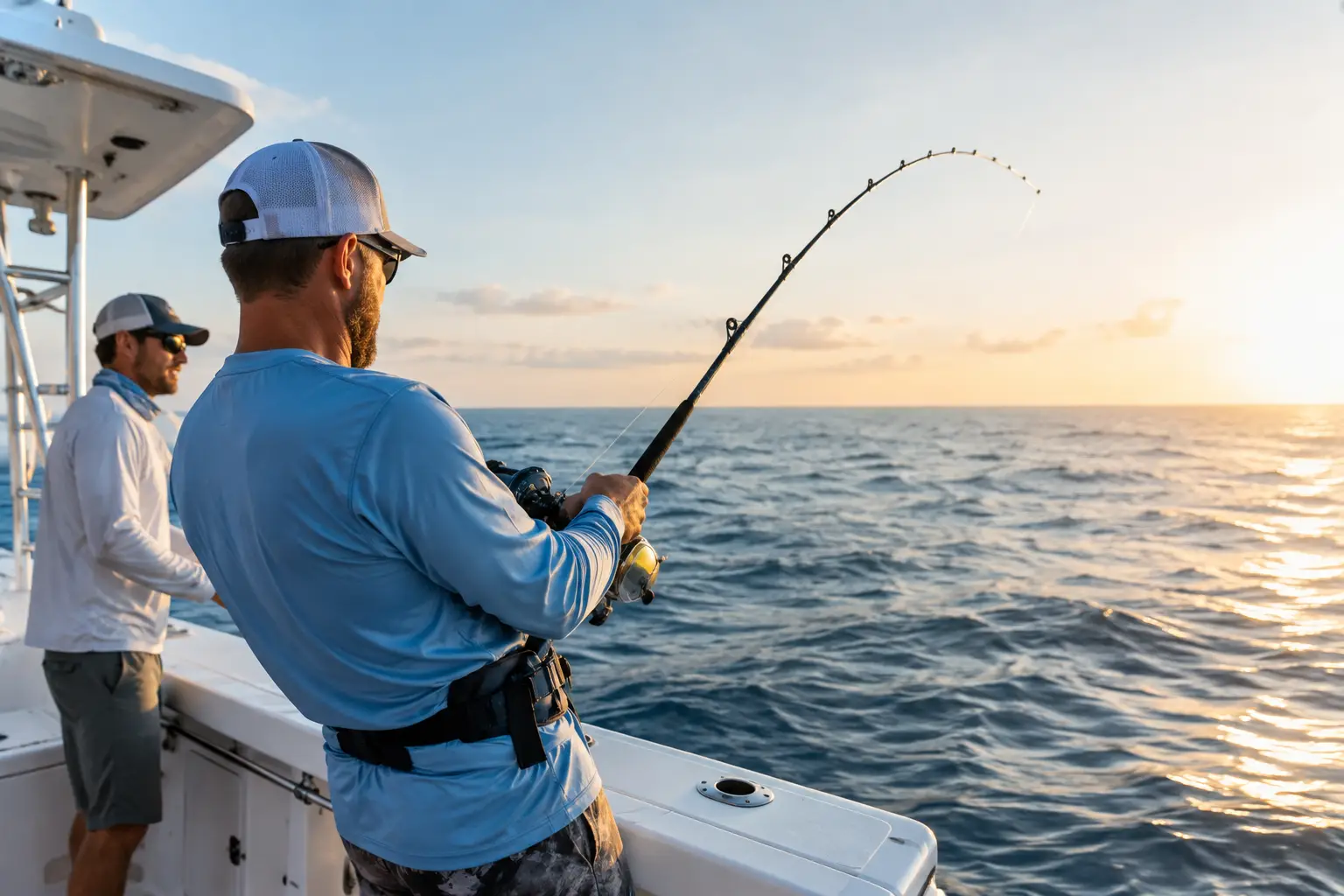
If your group wants steady action, calmer water, and a better fit for younger anglers or first-timers, an inshore trip for redfish, speckled trout, snook, or flounder can be a strong call. If the plan is to put tuna, mahi mahi, wahoo, marlin, or sailfish in the spread, you may need more time, a longer ride, and a crew ready for open water.
Neither is automatically better. A short inshore morning can be the trip everyone talks about for years if the bite is right. A full offshore day can be worth every minute when the target is a fish that does not live close to the dock.
Start With the Fish, Not the Package Name
The fastest way to narrow your choices is to name the fish first. That one decision changes the location, season, trip type, and amount of time you should plan for.
Want redfish in the marsh, snook around mangroves, or trout over grass flats? Look at inshore waters and pay attention to the season in that specific region. Chasing striped bass along the coast, salmon in a river system, or muskies on a northern lake? The fish may be available for long stretches, but peak timing and local patterns still matter.
For offshore targets, be realistic about range. A captain may have to run a long way to find productive water, depending on the port, weather, and time of year. That is why a trip built around yellowfin tuna or billfish usually needs more than a quick morning window.
When you search on Unreel Charters, begin with the species whenever you can. Then narrow by location and trip style. It is much easier to compare a handful of trips built for your goal than to scroll through every boat in a coastal town.
Ask What “Targeting” Really Means
Target species are fishing goals, not guarantees. Fish move. Weather changes. Bait shifts. A good day may require switching from the original plan to the best available bite.
That does not mean you should be vague when planning. It means you should look for a trip where your target is a realistic fit for the season and water. If you are hoping for permit, ask whether conditions and timing make permit a reasonable focus. If you want a mixed-bag family trip, say so. A plan built around action may be better than a day spent waiting for one difficult fish to show.
Match Trip Length to the Day You Want
Trip length is one of the clearest details in any charter search, and it matters more than many anglers realize. More hours are not just more fishing time. They can create access to different water, a wider range of techniques, and more room to adjust if the first spot is slow.
A shorter trip works well when you want to get on the water, learn the basics, and keep the day simple. It is often a smart fit for families, first-timers, or anyone who wants fishing to be part of a larger vacation day.
A longer trip makes more sense when the target requires travel or patience. Offshore fishing commonly falls into this category, but so do certain freshwater pursuits. If you are chasing a specific bite that turns on late, fishing a tide change, or covering a big lake for muskie, extra time can change the whole plan.
Do not book a longer day just because it sounds more serious. Book the time that fits your target and your group. A tired crew that is ready to head in early will not get the most from an all-day trip.
Read the Water Type Like an Angler
Trip categories should tell you something about where you will fish. Before booking, picture the water and decide whether it fits your crew.
Inshore fishing often means protected bays, estuaries, marshes, rivers, flats, and mangrove shorelines. It can involve casting lures, soaking bait, working docks, or sight fishing shallow water. Nearshore trips generally push outside the inlet but may stay within sight of land, working reefs, wrecks, beaches, or coastal structure.
Offshore and deep-sea trips usually mean more travel and bigger water. The reward can be pelagic fish, deep structure species, and a totally different style of fishing. Reef and wreck trips can be excellent when your crew wants bent rods and a variety of fish, while fly fishing is often about presentation, conditions, and the satisfaction of making the right cast.
If someone in your group is unsure about open water, do not brush it aside. An inshore trip can still deliver a hard-fishing, memorable day without making comfort a question mark.
Compare the Details That Change Your Day
Once you have found a trip that targets the right fish in the right water, compare the practical details. This is where a good plan becomes the right plan.
Look for these answers before you commit:
- How many anglers can fish comfortably on the trip?
- Is the trip designed for beginners, experienced anglers, or a mixed group?
- What fishing methods are likely for the target species?
- What does the crew need to bring, wear, or prepare for?
- How much travel time should you expect before lines go in?
- Is the trip private for your group, and what is the meeting plan?
These are not small details. A corporate group may need a boat setup that lets everyone participate. A serious angler chasing a personal-best fish may prefer a trip with fewer people and a more focused plan. A family with kids may care most about a manageable ride, steady action, and enough shade or space to stay comfortable.
Be direct when you contact the captain. Say who is coming, what experience everyone has, and what success looks like to your group. Maybe success is a bull redfish. Maybe it is a cooler of reef fish. Maybe it is watching your kid catch the first fish of the day. Those are all valid goals, but they call for different trips.
Let Season and Location Set Expectations
The same species can mean very different fishing from one state to another. Redfish may be a marsh target in one place and a beach or inlet target in another. Salmon runs are tied closely to local timing. Tuna opportunities can depend on offshore conditions and the port you leave from.
Use the destination as part of the decision, not just a pin on a map. If travel dates are fixed, search for fish that are likely to be available where you are going. If the species is non-negotiable, be flexible on destination and timing.
That trade-off is where trip planning gets honest. You can chase the fish you want, fish the place you want, or fish the dates you have. Sometimes all three line up. Often, you will need to prioritize two.
The best charter choice is rarely the one with the broadest label. It is the one that puts your crew in the right water, at the right time, with a plan that matches the fish you came to catch. Start there, ask clear questions, and you will spend less time sorting options and more time waiting for the next line to come tight.