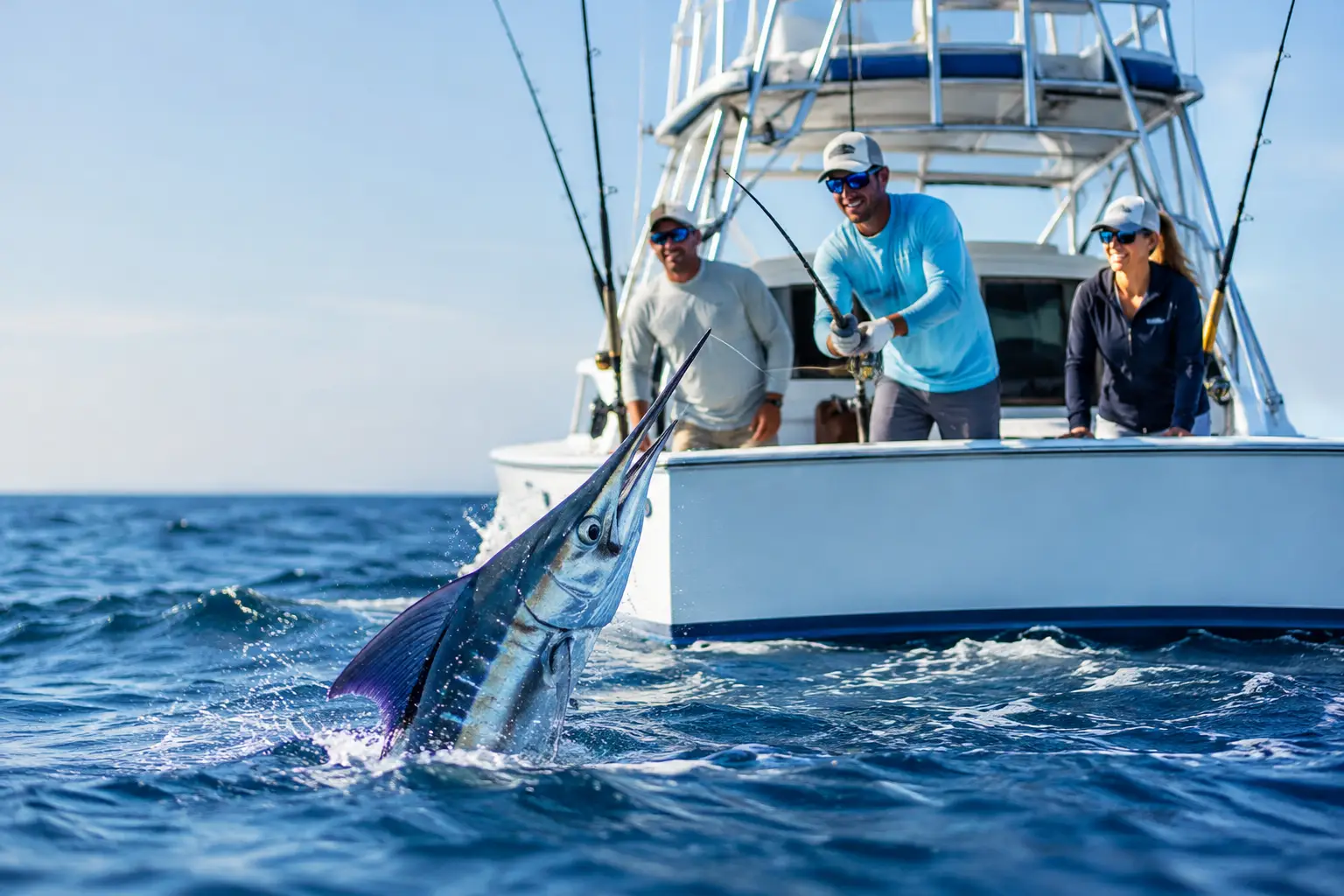
The shot goes off before daylight. Your team is checking livewell pumps, stowing tackle, and watching other boats idle toward the pass. At that point, the fish still matter most, but so do the rules, the clock, the weather window, and the captain making the call at the helm. Fishing tournaments are not just regular charter trips with a weigh-in at the end. They are a test of preparation, local knowledge, and making smart decisions when every minute has a value.
For a first-time tournament crew, a charter can turn a big unknown into a fishable plan. For experienced teams, the right captain can provide the local pattern, boat setup, and calm decision-making that separate a productive day from a long ride with a cooler full of excuses.
Why Fishing Tournaments Change the Charter Decision
On a standard guided trip, success can mean learning a new technique, putting dinner in the box, or watching a kid catch their first redfish. Tournament fishing has a narrower target. You may need one oversized fish, a specific number of legal fish, a photo submitted before a deadline, or a release verified under detailed rules.
That changes what you should ask before booking. A captain may be excellent at finding steady action for a family group but not run a boat configured for a high-pressure kingfish, redfish, walleye, billfish, or offshore tuna event. Neither trip is better. They simply call for different preparation.
Start with the tournament itself. Read the rules before you talk to a captain, not after you have paid a deposit. Know the boundaries, eligible species, minimum and maximum lengths, check-in process, release requirements, live-bait rules, and whether outside assistance is allowed. Some events prohibit teams from getting fishing information during tournament hours. Others have strict requirements for observers, photos, video, or fish handling.
A good captain will appreciate a crew that knows the format. It gives everyone a better starting point and avoids the bad surprise of catching a fish that cannot be entered.
Choosing a Charter for Fishing Tournaments
Search species first, then narrow by location and trip type. If the event is built around inshore redfish, snook, trout, flounder, or striped bass, look for a captain who spends real time targeting that fish in that exact fishery. If it is an offshore tournament, ask whether the captain regularly fishes the same distance, structure, and seasonal conditions the event will demand.
The captain’s local experience matters because tournament water can fish differently from one inlet, bay, reef line, or canyon to the next. A strong local operator knows which areas become crowded at first light, where tide flow can muddy a bite, which bait is available that week, and when running farther is worth the fuel and time.
Be direct about your goal. Tell the captain you are entering a tournament, name the target species, share the dates, and explain whether your team is looking for a competitive edge, a supported first experience, or a mix of both. Ask whether they have tournament experience and how they approach tournament-day decisions. You are not asking for secret spots. You are learning whether their style fits your team.
Boat fit is just as practical. A tournament crew may need room for multiple anglers, a functioning livewell, enough rod storage to keep different setups ready, reliable electronics, and a layout that lets people move without tangling lines at the worst possible moment. For catch-and-release formats, ask how the crew handles measuring, photographing, and reviving fish. For weigh-in formats, ask about ice, fish storage, and the plan for keeping a legal catch in good condition.
At Unreel Charters, anglers can begin with the fish they want to catch, then filter toward the location and trip style that make sense for the event. That approach is faster than choosing a destination first and hoping the available boat matches the tournament.
Ask About the Plan, Not Just the Price
A charter rate is only one part of tournament planning. The lower-priced boat is not automatically the better value if it lacks the range, equipment, bait strategy, or experience your event requires. At the same time, the most expensive option is not automatically the best fit for a small local derby with a short fishing window.
Talk through what is included. Confirm the departure time, planned return time, fuel policy, bait, tackle, licenses, ice, fish cleaning if applicable, and the captain’s expectations for gratuity. If the tournament requires an early check-in or a run to a specific weigh station, build that into the day. A boat returning late because the team chased one more bite can turn a great catch into a non-entry.
Weather deserves an honest conversation, too. Tournament dates are fixed, but safe boating is not negotiable. Ask how the captain evaluates wind, sea state, lightning, tide, and the forecast on the morning of the event. Offshore teams may have to choose between running far in marginal conditions and fishing closer water that offers a safer but different opportunity. The right answer depends on the boat, crew, rules, and conditions. No trophy is worth a dangerous run.
Build a Team That Helps Instead of Crowds the Deck
A tournament boat works best when everyone knows their job before the first rod bends. That does not mean a first-time angler cannot participate. It means the team should agree on who is fighting fish, who is clearing lines, who is operating the camera or tournament app, and who is checking rules when a questionable catch hits the deck.
Keep communication short and useful. On a fast bite, nobody needs five people shouting different instructions. Let the captain and mate run the boat. If a fish has to be measured, photographed, tagged, or released, practice the sequence before tournament day. A rushed photo with the wrong identifier card, an unreadable measurement, or a fish held poorly can cost an entry.
Bring the right personal gear, but do not turn the cockpit into a tackle shop. Sun protection, rain gear, non-slip shoes, motion-sickness medicine if needed, water, snacks, a charged phone, and any required tournament materials are the basics. Check the rules before bringing extra rods, drones, communication devices, or your own bait. What is normal on a recreational trip may be restricted in competition.
Fish the Conditions You Have
Tournament pressure makes anglers chase yesterday’s report. That can be a mistake. A hot bite from the day before may disappear after a wind shift, hard rain, cold front, heavy boat traffic, or changing tide. Good captains adjust to what the water is doing now.
That may mean leaving a spot that produced early, downsizing tackle when the water clears, changing bait, or abandoning a long offshore run in favor of a closer pattern. The team that adapts often beats the team that follows a plan written before the weather changed.
Pay attention without becoming a distraction. Notice bait movement, water color, current, birds, temperature breaks, and where other boats are gathering. Then let the captain turn those observations into decisions. Tournament fishing rewards anglers who stay engaged, but it also rewards crews who trust the professional they hired.
Protect the Fish, the Crew, and the Reputation of the Sport
Competitive fishing can bring out the best kind of intensity. It should not bring out careless handling, corner-cutting, or bad decisions around other boats. Follow wake zones, give other teams room, respect no-fishing areas, and keep the radio professional. A crowded start line is not the place to prove a point.
For release events, have tools ready before the fish arrives: dehooker, pliers, measuring device, camera, and any required tournament marker. Minimize handling, support the fish properly, and revive it fully when conditions allow. If the rules or the captain say a fish is not a valid entry, let it go and get back to fishing.
That same mindset applies after the tournament. Thank the crew, settle up clearly, and share useful feedback with the captain. A good charter relationship can grow from one event into a better trip plan for the next season.
The trophy is fun, and the paycheck never hurts. But the best tournament days usually come from a team that prepared well, listened closely, made safe calls, and gave itself one clean chance when the right fish finally showed up.