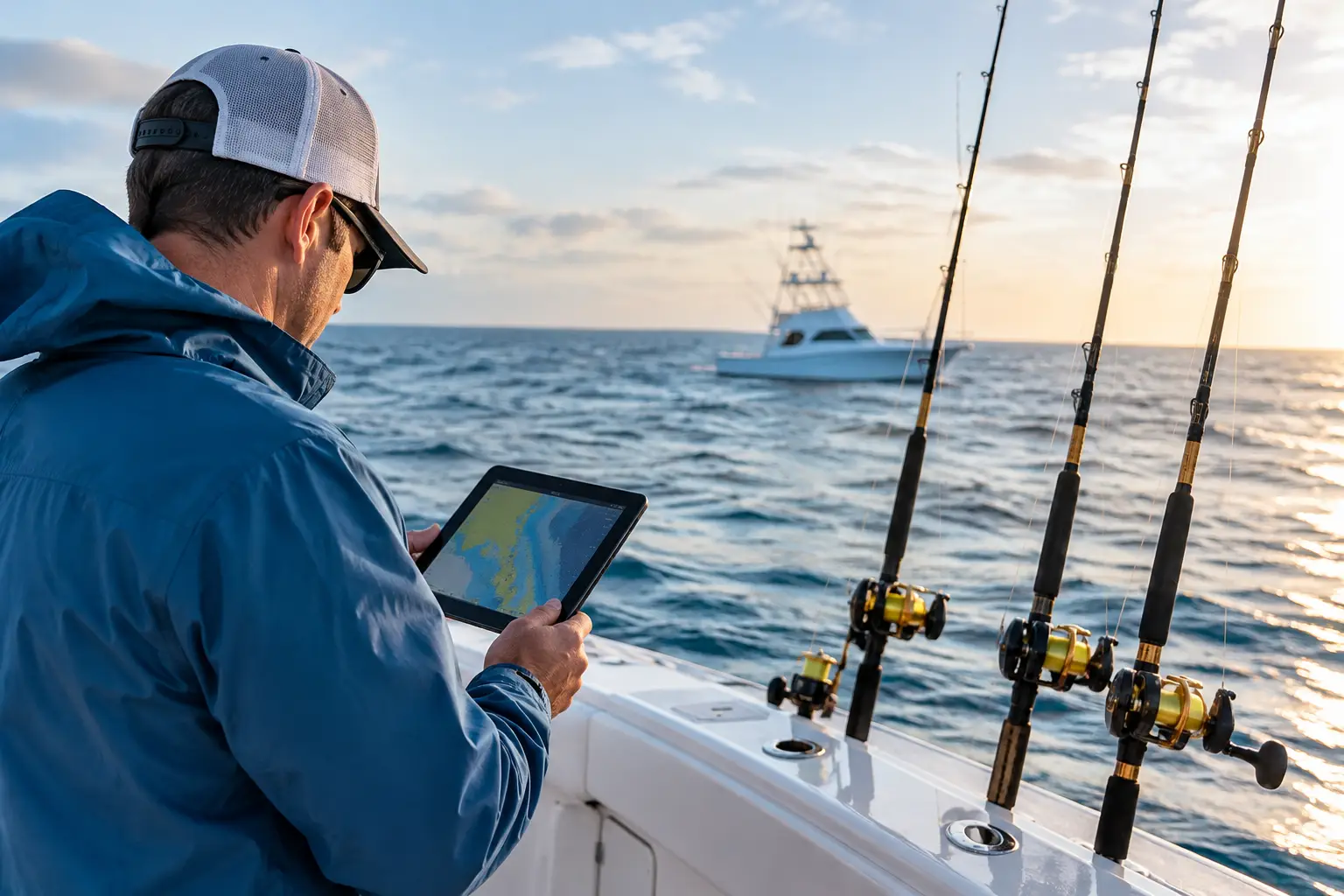
A leaderboard can make a captain look like a sure thing, but tournament charter results need more than a quick glance. A winning photo or first-place finish tells you that a crew had a great day. It does not automatically tell you whether that captain is the right fit for your crew, your target species, your experience level, or the month you want to fish.
For anglers booking a tournament trip, results are useful evidence, not a shortcut around doing your homework. The best read on a charter comes from pairing tournament performance with the kind of fishing you actually want to do: live-bait sailfish, artificial-lure redfish, offshore tuna, reef species, or a mixed bag that gives everyone on board a shot at bent rods.
What Tournament Charter Results Can Tell You
Tournament fishing puts captains and crews under a different kind of pressure. There is a clock running, a rules meeting to follow, a specific scoring format, and a field of skilled boats chasing the same bite. Finishing well in that setting can reveal some meaningful strengths.
First, results can show a captain's ability to make fast, informed decisions. Conditions change. Bait moves, water color shifts, the wind builds, and the bite that held yesterday may disappear by first light. Captains who repeatedly put fish on the board are often reading those changes well and adapting without burning half the day on a dead plan.
Results may also point to local knowledge. A captain who competes in the same region year after year has likely spent serious time learning seasonal movements, productive structure, tide windows, and how a fishery reacts after weather. That knowledge matters just as much on a non-tournament trip, especially when your dates are fixed and you need the best realistic shot at your species.
Finally, tournament experience can signal boat management. Competitive crews need clean communication, organized tackle, fast bait handling, and the discipline to execute when a big fish shows up. Those habits can make a family day or a serious angling trip run smoother too.
Still, a result only tells part of the story. It is a snapshot from one event, under one set of rules, in a particular set of conditions.
Read the Tournament, Not Just the Finish
Not every tournament measures success the same way. Before you treat a finish as a major credential, understand what the event was built to reward.
Some tournaments are based on weight. A crew may be targeting one giant king mackerel, wahoo, grouper, or tuna rather than trying to produce steady action all day. Others use release divisions, where speed, correct documentation, and efficient catch-and-release handling matter as much as finding the fish. A multi-species event may reward broad local knowledge, while a single-species event highlights a captain's focus on one fishery.
The field matters too. A win in a highly competitive regional event carries context that a simple list of placements cannot provide. So does the division. Junior, ladies, amateur, professional, boat, and release categories can all appear on the same results page. Read the category before making assumptions about what a placing represents.
Weather is another piece of the puzzle. A rough offshore event may favor a captain with a boat and crew built for long runs. A calm-weather tournament can open up distant water that is usually off the table. Neither is better by default. The question is whether those conditions resemble the trip you are planning.
Look for a Pattern, Not One Big Finish
One top finish is worth noticing. Repeated solid results are usually more useful.
A captain does not need to win every event to be a strong choice. In fishing, even the sharpest crews deal with changing conditions, lost fish, equipment trouble, and bite windows that close without warning. What you want to see is a pattern of participation, respectable performance, and a clear connection to the species or waters you want to fish.
A captain who regularly competes in redfish events may be a smart call for a serious inshore team. A crew with consistent billfish release results may fit anglers who care about offshore speed, bait presentation, and clean fish handling. If you are booking a kid-friendly nearshore trip for snapper and action, however, those credentials may be less relevant than patience, a practical trip plan, and a captain who knows how to keep a mixed-experience group engaged.
Match the Result to Your Fishing Goal
The most useful tournament record is one that lines up with your target. Start with the fish, then work backward to the captain and trip style.
If your crew is entering an event, ask whether the captain has experience with that exact species, fishery, and format. An outstanding bottom-fishing captain may not be the best match for a high-speed kingfish tournament. A skilled inshore guide may know every marsh drain in the area but have no reason to run offshore. Specialization is not a weakness. It is often exactly what puts the right anglers on the right bite.
Your group's expectations matter just as much. Tournament crews may be comfortable leaving the dock before daylight, running hard, skipping casual stops, and fishing through rough water. That pace can be a blast for committed anglers. It can also be a poor fit for first-timers, young kids, or a group that wants a relaxed day with plenty of hands-on coaching.
Be direct when you reach out. Tell the captain what event you are fishing, how many anglers are aboard, who has tournament experience, what species matter most, and whether your group wants to fish aggressively or needs a more flexible plan. Good captains appreciate clear information because it lets them give you an honest answer before anyone commits.
Questions Worth Asking Before You Book
Tournament charter results should start the conversation, not finish it. Ask how the captain approaches the event you are considering. Do they prefer a short run to known water or a longer run for fewer, bigger opportunities? Will they be providing tournament-ready tackle and bait? What happens if weather changes the plan or the species is not cooperating?
It is also fair to ask about roles on the boat. Some tournament charters are fully guided, with the crew handling the technical work while anglers fight fish and follow instructions. Others expect experienced clients to participate in rigging, kite work, casting, or gaffing where allowed. Neither setup is wrong, but surprises at the dock are a bad way to start a competition day.
Get clear on what is included and what is separate. Entry fees, fuel surcharges for extended runs, lodging, dockage, bait upgrades, and tournament-required gear can change the real cost of a trip. Straight answers here are a sign of a professional operation that respects your time and budget.
A Strong Result Does Not Replace Good Communication
The captain's response to your questions may matter more than a trophy photo. You are looking for someone who can explain the realistic plan, the risks, and the backup options without overselling the bite.
Fishing is not a guaranteed-results business. Any captain promising a winning fish is selling a story. A captain who explains seasonal conditions, recent patterns, boat limitations, and how they will adjust on the water is giving you something better: a plan built on experience.
Use Results as One Part of the Search
When you search by species, location, and trip type, tournament performance becomes easier to place in context. A strong result can help narrow the field, but the captain's fishing focus, trip details, communication style, and fit for your group should make the final call.
Unreel Charters is built around that order of operations. Start with what you want to catch, identify the water and trip style that make sense, then look closely at the professionals who fish that program. It is a better path than booking based on a single impressive photo or a finish without context.
Tournament results can point you toward a captain who knows how to compete when every decision counts. Pair that information with a clear goal and an honest conversation, and you will step aboard ready to fish your plan instead of hoping the leaderboard tells the whole story.