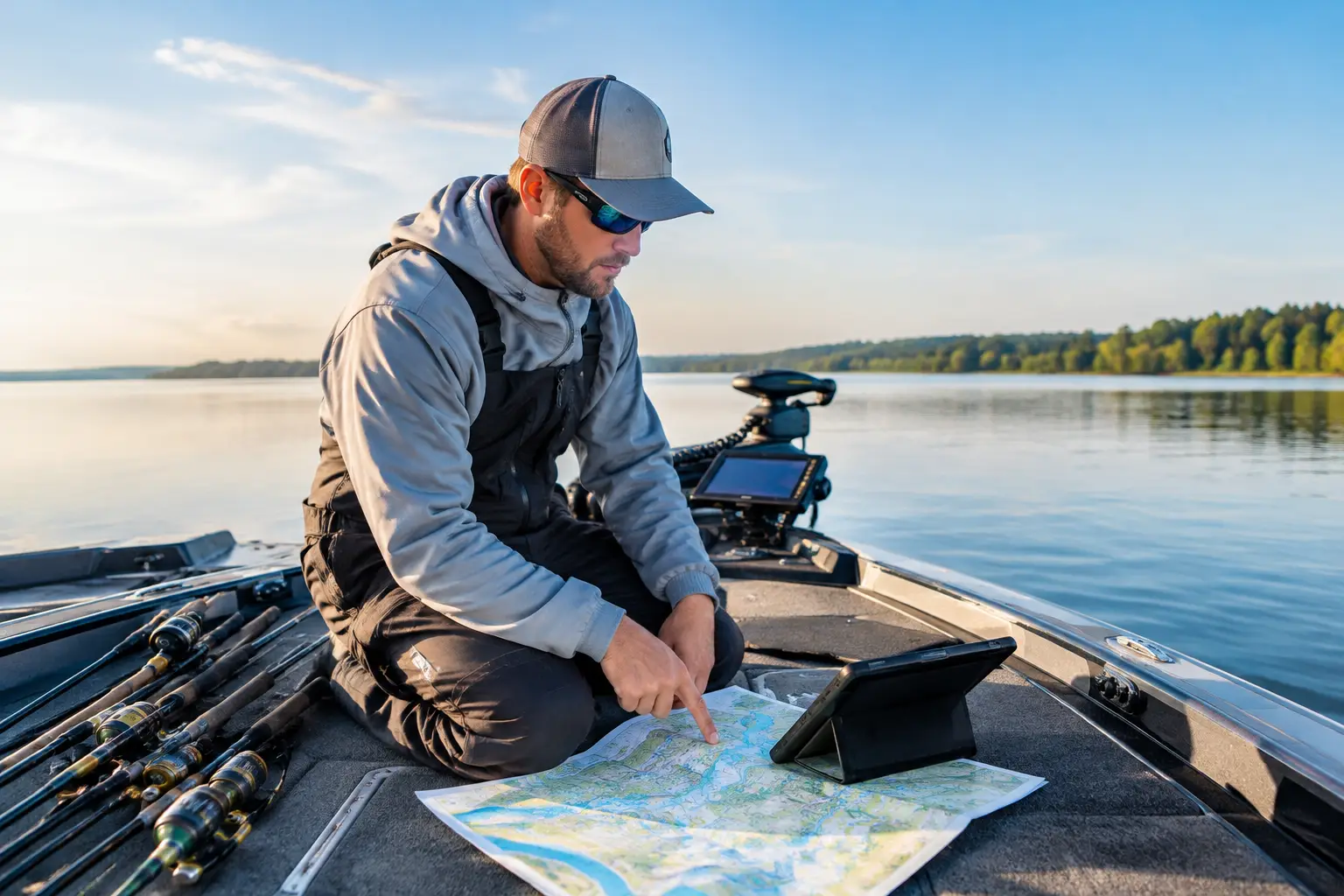
Tournament day rarely falls apart because nobody can cast. It falls apart because the crew guessed at the rules, ran too far on a weak weather window, chased a practice bite that disappeared, or had no plan when the first spot went quiet. Knowing how to plan tournament fishing means building decisions before the pressure starts - then staying flexible enough to make the right call when conditions change.
A good tournament plan is not a stack of waypoints and a full tank of fuel. It is a working strategy for the specific fish, fishery, format, crew, and forecast in front of you. Get those pieces right, and you spend less time scrambling at the dock and more time fishing with purpose.
Start With the Tournament Rules, Not the Rumors
Read the official rules from top to bottom before you study the bite. That includes eligible species, minimum lengths or weights, bag limits, boundaries, fishing hours, check-in procedures, tackle restrictions, dead-fish rules, and protest procedures. If the event uses a catch-photo-release format, learn exactly how fish must be measured, photographed, and submitted.
Small details can decide a finish. A fish may be legal under state regulations but not eligible for that event. Some tournaments require a certain hook style, prohibit outside assistance, set a hard line for returning to the dock, or have rules about when your lines can enter the water. Do not rely on what another team says happened last year. Confirm it in writing.
Build a simple one-page rules sheet for the boat. Include the weigh-in deadline, tournament boundaries, required gear, and the name and number for tournament control. Everyone aboard should know the basics, not just the captain or team leader.
Choose a Strategy That Fits Your Actual Day
The biggest decision in tournament fishing is often whether to swing for one giant fish or build the best consistent limit possible. The right answer depends on the scoring format, the species, the number of hours available, and your confidence in the conditions.
In a weight-based offshore event, a long run to a known blue marlin zone may make sense if the forecast is stable and your crew can fish effectively after the ride. In a redfish or bass event with a tight boundary, burning half the morning on a low-percentage area can be a bad gamble. A dependable early limit may give you room to upgrade later, while an all-or-nothing plan can leave you with nothing to weigh.
Set three levels of plan before launch. Your A plan is the area and approach you believe gives you the best winning opportunity. Your B plan is a realistic pivot if wind, water color, boat traffic, or fish behavior changes. Your C plan is the safe route to a respectable catch when the day turns difficult. A backup plan is not negative thinking. It is how you keep a bad first hour from becoming a bad tournament.
Match the run to the weather and the clock
A distant bite is only valuable if you can get there, fish it, and return safely with time to spare. Check wind direction, wave period, tides, current, thunderstorms, fog, and the forecast trend across the whole tournament window. Conditions at sunrise may be manageable while the ride home at midday is not.
Account for real run time, not best-case run time. Factor in fuel stops, idle zones, rough water, bait collection, and the time it takes to reset after a fish. Leave a fuel reserve you will not touch unless the situation genuinely demands it. A tournament is never worth gambling on range.
Practice With a Purpose
Practice is where many teams make a costly mistake: they try to catch fish instead of trying to understand the fishery. Catching a big fish in practice feels great, but it does not tell you much if you cannot explain why it was there or whether the conditions will repeat.
Keep notes on tide stage, water temperature, clarity, current direction, bait presence, depth, structure, wind, and time of day. For offshore teams, log where current breaks, temperature edges, floating debris, birds, and bait stacks form. For inshore teams, pay attention to how fish position around grass, oyster bars, docks, passes, mangroves, or drainages as water moves.
Avoid hammering a small area during practice if you think it may hold tournament fish. Confirm the pattern, then leave. The goal is to identify a repeatable setup, not to teach every fish in the zone to avoid your presentation.
Local knowledge helps, but it needs context. A captain or experienced local angler may point you toward a seasonal pattern, a productive depth, or a tide-dependent area. That information is useful when it supports what you are seeing, not when it replaces your own preparation. Fish move. Water changes. Yesterday's hot report can be tomorrow's boat traffic.
Build a Crew Plan Before You Leave the Dock
On a tournament boat, confusion costs casts, bites, and fish. Assign jobs before the start: who runs the boat, who watches the clock, who handles the net or gaff, who manages live bait, who records catches, and who handles photos or tournament submissions.
That matters even on a two-person team. If one angler is fighting a fish, the other should not have to ask where the measuring board is, whether the camera is charged, or which side of the boat the landing net lives on. Walk through the sequence before the event, especially for catch-photo-release rules.
Communication should stay short and useful. Call out birds, bait, tide changes, surface activity, direction of travel, and time remaining. Save postmortems for later. Tournament fishing is emotional by nature, but a crew that stays calm usually makes better decisions than one that spends the morning replaying a missed bite.
Rig for Reliability, Not Just for the Highlight Reel
Tournament gear needs to work under pressure. Inspect line, leaders, knots, hooks, reels, rod guides, batteries, pumps, safety equipment, trailer tires, and electronics well before tournament morning. Replace questionable pieces now rather than hoping they survive one more trip.
Bring backup gear that directly supports your target species and format. That may mean a spare spinning setup for inshore fish, extra trolling leaders offshore, replacement terminal tackle, a second net, additional camera batteries, or a backup measuring device where allowed. You do not need to load the boat with every item in the garage. You do need redundancy for the items that can end your day.
Bait deserves the same attention as tackle. Decide whether you are catching bait, buying bait, or carrying artificials as your primary approach. If live bait is central to the plan, confirm your livewell, aeration, and ice situation ahead of time. A stressed bait supply can force a strategy change before the first line is in the water.
Make Tournament Morning Boring
The best tournament mornings feel almost uneventful because the hard work happened earlier. Fuel up the day before. Stage rods and tackle. Pack food, water, rain gear, licenses, safety equipment, and required tournament materials. Charge every battery, including phones, cameras, handheld radios, and lights.
Arrive early enough to handle a ramp line, parking issue, live bait delay, or last-minute rules announcement without rushing. Check your weather source again before departure, then compare it with what you see at the ramp. If conditions are materially different from the forecast, adjust your plan before you commit to a long run.
Keep your first move simple. Start on the highest-confidence pattern that fits current conditions, not on the spot that produced the best story during practice. You can make aggressive moves later if the day calls for them.
Know When to Stay and When to Move
A tournament plan should include decision points. For example, you might give a morning spot until a certain tide phase, a defined number of passes, or a fixed amount of time without the right signs. The exact trigger depends on the species and fishery, but the principle is the same: decide your limits before frustration takes over.
Do not leave fish just because another boat runs by at full speed. At the same time, do not protect a dead area because it looked perfect on a map. Trust the evidence in front of you - bait, current, water quality, strikes, and the clock.
The best teams are rarely rigid. They prepare hard, fish the conditions they have, and make changes without panic. Plan your tournament like a captain who expects the unexpected, and when the bite finally turns on, your crew will be ready to make it count.