A hot bite can make anglers forget the details until they are standing at the dock without the one thing they needed. Before you book, ask a plain question: is charter equipment included? The answer is often yes for core fishing gear, but “included” can mean different things depending on the captain, target species, water, and trip style.
A good charter is built around getting you on the fish, not sending you on a last-minute gear run. Still, knowing what is supplied - and what is your responsibility - helps you choose the right trip, pack smart, and avoid surprises when it is time to cast.
What charter equipment included usually covers
Most guided fishing trips provide the working gear needed for the planned day on the water. That commonly means rods, reels, line, terminal tackle, and the lures or bait the captain expects to use. On a typical inshore trip for redfish, speckled trout, snook, or flounder, the boat may be rigged with light spinning tackle, popping corks, jig heads, soft plastics, live bait, and landing nets.
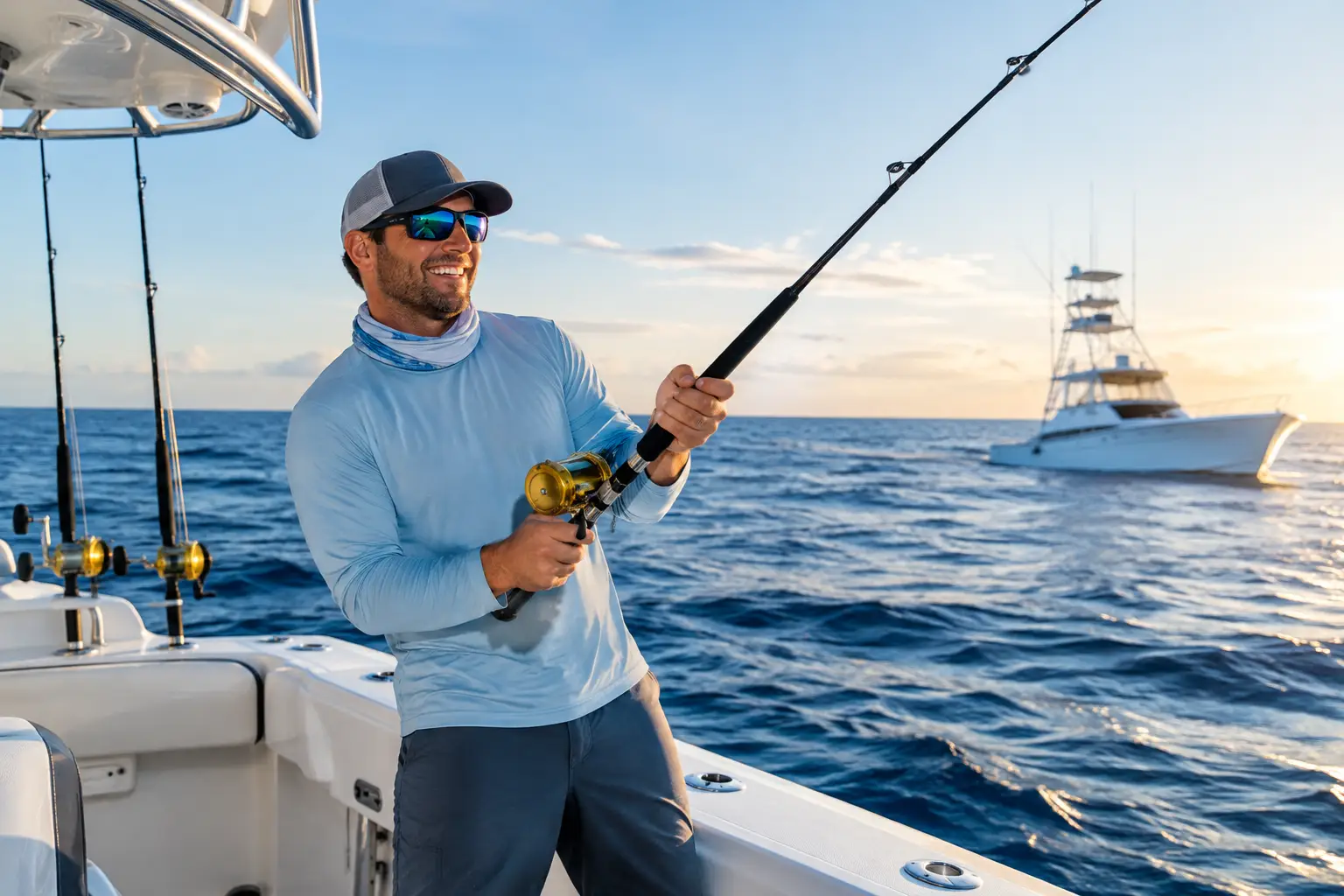
Offshore and deep-sea trips generally include much heavier setups. Think conventional reels, trolling rods, downrigger or planer gear where appropriate, leaders, hooks, sinkers, gaffs, and the spread required for the species. A captain chasing tuna, mahi-mahi, sailfish, or bottom species has gear selected for that fishery. You are not expected to show up with a full offshore tackle shop in your truck.
The same principle applies to safety equipment. A properly equipped charter vessel carries required safety gear, including life jackets and emergency equipment. That equipment is for the boat and its passengers, not an optional add-on. If you are bringing a child or have a specific fit concern, it is still smart to tell the captain ahead of time.
Bait is often included as well, especially when the captain has a set plan for the day. But bait is one of the details worth confirming. Some trips use expensive live bait, specialty flies, or a large trolling spread, and the policy may vary based on the package, season, or requested species.
The gear that may not be part of the trip
Included tackle does not automatically mean every fishing-related item is covered. The biggest gray areas are fishing licenses, food and drinks, fish processing, gratuity, and personal clothing.
On many charter boats, the captain’s licensing arrangement covers passengers while they are fishing from that vessel. That is common, but rules can differ by state, waterway, and trip type. If your trip involves shore access, wading, a freshwater fishery, or a combination of activities, you may need your own license. Do not assume. Ask before the trip, especially if you are traveling across state lines.
Personal comfort gear is usually on you. Bring weather-appropriate clothing, non-marking shoes if requested, sunglasses, sun protection, and any medication you may need. A rain jacket can save a wet day, while a hat and polarized glasses make it easier to spot bait, structure, and cruising fish. On cold-water or fly-fishing trips, the captain may provide specialty gear such as waders, but that should be confirmed in advance.
Food and drinks are another captain-by-captain decision. Some trips include water or a light cooler setup. Others ask guests to bring whatever they want for the day. If you bring a cooler, check whether space is limited and whether glass containers are prohibited.
Ask about specialty equipment before you book
The more specific your fishing goal, the more important the equipment conversation becomes. Standard tackle is usually enough for a family-friendly inshore trip. It may not be the whole story if you are planning a technical fly-fishing day, sight-fishing for permit, jigging deep structure, or chasing trophy muskie.
Fly-fishing, wading, and sight-fishing
Fly gear can be highly personal. A guide may provide rods, reels, flies, and leaders, particularly for newcomers, but experienced fly anglers often prefer their own setup. Ask what rod weights and fly patterns the captain uses, whether waders or boots are needed, and whether the day involves casting from a skiff, shoreline, or flats.
For sight-fishing, polarized eyewear is especially useful. Your captain may call out fish and give casting directions, but being able to see the water helps you stay in the game.
Offshore and big-game fishing
For offshore trips, the captain normally supplies the serious equipment. The question is less about whether rods are on board and more about what the trip is designed to do. Are you trolling, bottom fishing, live-baiting, jigging, or mixing methods? Is the target tuna, marlin, grouper, snapper, or whatever is biting best that day?
Those answers affect the tackle, fuel range, bait needs, and time on the water. A trip built for reef fish is not automatically equipped for a long-range bluewater run. Choose the trip around the fish you want to catch, then confirm the captain’s approach.
Kids, groups, and first-time anglers
New anglers should not feel pressured to buy gear before a guided trip. A capable captain has tackle sized for beginners and knows how to set up a rod, explain the bite, and keep lines in the water. If you are booking for kids, tell the captain their ages and experience level. Smaller rods, simple rigs, and a realistic plan can make the difference between a long day and a crew that wants to come back.
For larger groups, ask how many anglers can fish at one time. A boat may have room for several passengers but fewer practical fishing positions during a drift, troll, or tight inshore stop. That is not a bad setup - it just helps to know whether everyone will be actively fishing at once.
Bring your own gear only when it adds value
There is nothing wrong with bringing a favorite rod, a lucky lure, or a fly box you trust. Many captains welcome it when it fits the day’s plan. But call first.
Your gear may be too light for the target species, too heavy for the presentation, or difficult to stow safely aboard. In saltwater, a captain may also want to avoid extra loose hooks, bulky tackle bags, or equipment that can snag lines during a busy bite. The boat’s gear is there because it matches the fishery and can be replaced quickly if something breaks.
If you want to use your own gear, ask a direct question: “Is there a rod or setup you recommend I bring for this trip?” A professional captain will give you a straight answer.
Questions that clear up equipment details fast
You do not need a long checklist to book confidently. Ask whether rods, reels, bait, tackle, and passenger licenses are included. Then ask what you should bring for weather, food, and personal comfort. If you have a specific goal, add one more question: “Is this trip equipped to target this species the way I want to fish?”
That last question matters because conditions run the show. Wind, tides, water clarity, current, and seasonal movement can change the plan. A captain may switch from live bait to artificials, from the flats to protected water, or from one species to another that is biting better. That is not a bait-and-switch. It is local knowledge at work.
When comparing charter options on Unreel Charters, start with the species and trip type that fit your plan. Then read the trip details and contact the captain when anything is unclear. The right captain will be upfront about what is aboard, what is included, and what will make your day fish better.
Pack for the conditions, let the captain handle the working tackle, and save your energy for the part that matters: feeling that first hard pull on the line.