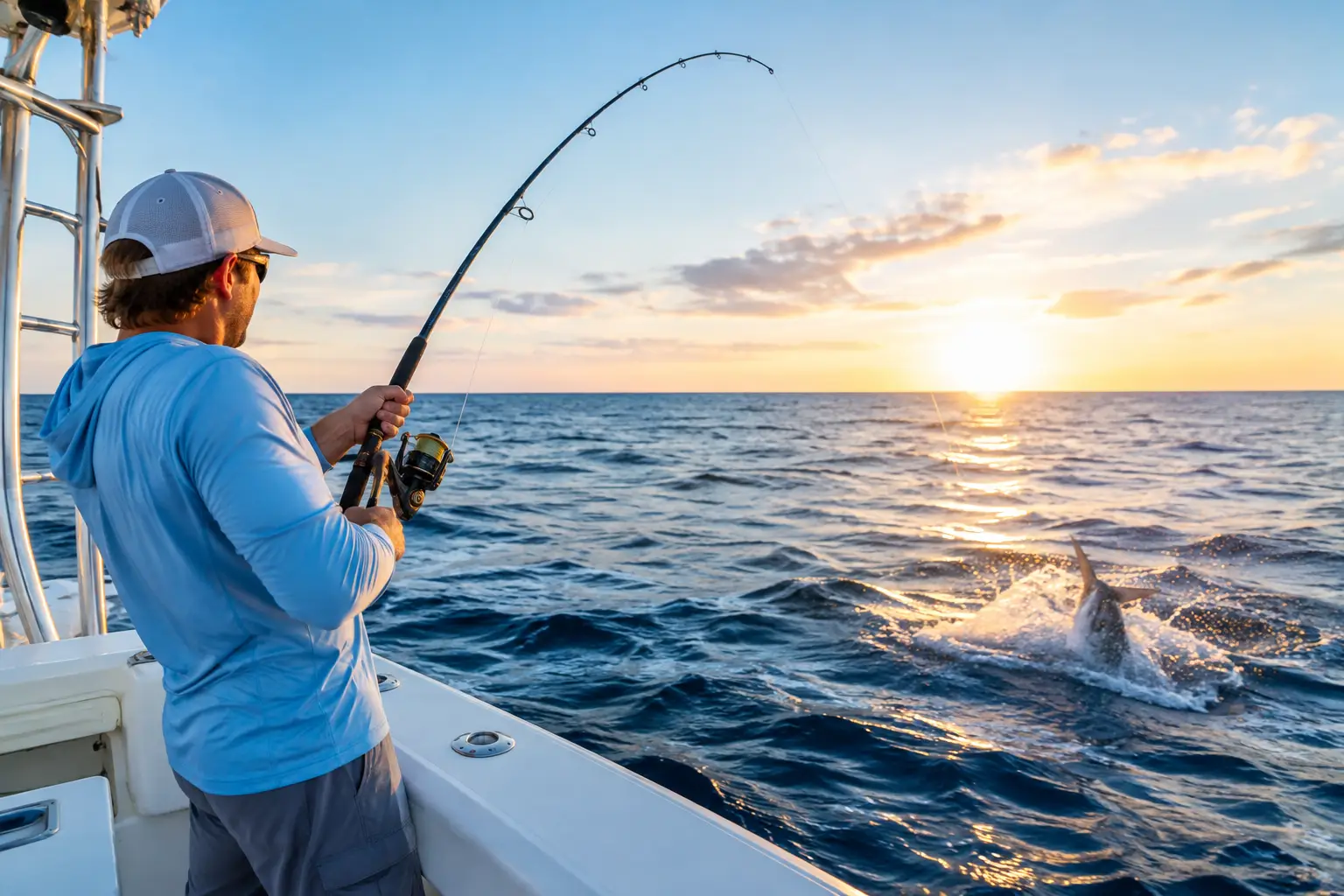
A calm May morning can put tarpon rolling within casting range in Florida, while that same week may be all about striped bass farther north. That is why a saltwater fishing seasons guide is more useful than a single nationwide calendar. The best time to fish depends on the species, the coastline, water temperature, bait movement, weather, and the kind of trip you want to book.
For trip planning, season is not just about whether a fish exists in an area. It is about your odds of finding willing fish, the conditions you can realistically expect, and whether an inshore, nearshore, or offshore charter fits the day. Start with what you want to catch, then work backward to the destination and month.
Saltwater Fishing Seasons Guide: What “In Season” Means
Anglers use “in season” in a few different ways, and mixing them up can lead to a disappointing trip. A species may be present year-round but feed hardest during a migration. It may be easy to catch in one season but closed to harvest under current regulations. Or it may be legal and available, yet hard to reach because the weather keeps offshore boats at the dock.
For a guided trip, think in terms of four questions: Is the fish in the area? Is it actively feeding? Can the boat reach the grounds safely and comfortably? Is the fishery open under the regulations in effect for your dates? A good captain can confirm the local details, but knowing the seasonal pattern helps you choose the right place before you ever narrow down a trip.
Weather is the wild card. Wind, rain, sea state, water clarity, and cold fronts can change a bite quickly. Offshore fishing is especially dependent on a safe weather window. If your trip dates are fixed, choose a destination with several solid target species rather than building the whole trip around one seasonal fish.
Plan by Region, Not by a National Calendar
The United States has too much coastline for one answer to “when is saltwater fishing best?” The broad regional patterns below give you a useful starting point. Local conditions and current regulations should always make the final call.
Florida and the Gulf Coast
Florida offers one of the longest saltwater fishing calendars in the country. Redfish, speckled trout, snook, and a range of reef species can provide good inshore or nearshore action across much of the year, although regional closures and weather patterns matter. Winter is often a strong choice for anglers who want mild temperatures, sheltered water, and a mixed inshore bite.
Spring brings a major shift. Bait increases, water warms, and migratory opportunities build. Florida tarpon are a headline target from spring into early summer, especially for anglers who want a sight-fishing challenge. Along the Gulf, spring can also produce king mackerel, cobia, and improving offshore action when weather allows.
Summer is prime time for many family-friendly coastal trips because the water is warm and the menu is broad. It can also mean afternoon storms, heat, and rougher offshore conditions, so early departures are often the smart move. Red snapper opportunities can be a major draw in Gulf waters, but season dates and harvest rules change, so do not assume a specific month is open.
Fall is one of the best all-around windows on much of the Gulf Coast. Cooling water pushes bait around, redfish feed aggressively in many areas, and the humidity starts to ease. It is a strong choice when a group wants variety without committing to a long offshore run.
The Carolinas and Mid-Atlantic
Spring wakes up the coast from the Carolinas through the Mid-Atlantic. Striped bass migrations draw attention in many waters, while warming sounds, marshes, and beaches bring more consistent action for red drum, flounder, trout, and bluefish. Exact timing shifts from south to north and can move with water temperatures.
Summer opens the door to classic offshore targets. Mahi mahi, tuna, wahoo, billfish, and bottom species may all be options depending on the port and distance offshore. This is when trip type matters most. A nearshore trip can offer fast action with a shorter ride, while a true offshore trip is built for anglers willing to spend more time running to blue water.
Fall is hard to beat for anglers chasing bait-driven feeding frenzies. Bull red drum, striped bass, false albacore, bluefish, and other migratory fish can make the coast feel alive. For groups with mixed experience levels, fall often offers a good balance: comfortable air temperatures, active fish, and several backup options if one bite slows down.
New England and the Northeast
The Northeast is a seasonally focused fishery, and that is part of the appeal. Spring brings the first real push of striped bass into many coastal waters. As summer arrives, the options expand to include fluke, black sea bass, bluefish, bonito, and offshore tuna in the right areas.
Late summer through fall can be electric. Striped bass often feed heavily on dense bait schools, and bluefin tuna trips become a serious goal for experienced anglers who want a demanding offshore day. These are not casual weather-proof outings. If bluefin is the priority, give yourself multiple possible dates or plan a backup target.
Water temperatures drop fast in the later fall, and many fisheries slow down or shift. That makes the Northeast less flexible than Florida for a winter trip, but it rewards anglers who match their dates to the migration.
Southern California and the Pacific Coast
Southern California’s saltwater calendar is heavily influenced by ocean temperature and the arrival of warm-water fish. Spring can bring productive coastal fishing for calico bass, rockfish where open, and yellowtail in the right conditions. As summer warmth builds, offshore opportunities for yellowtail, dorado, and tuna can improve dramatically.
Late summer and early fall are often the window anglers watch most closely for pelagic action. The exact mix changes year to year, which is why flexibility helps. A warmer season may push tuna closer to port, while a cooler pattern can shift the trip toward local islands, bottom fish, or coastal species.
Farther north, the rhythm is different. Pacific Northwest anglers often plan around salmon and halibut windows, with summer offering some of the most reliable access. Conditions can be spectacular, but this is another region where weather and regulation updates deserve as much attention as the calendar.
Alaska
Alaska rewards anglers who plan well ahead and accept that the experience is tied to a shorter operating season. Halibut trips generally build from late spring through summer, while salmon runs vary by species and location. King salmon, sockeye, coho, and pink salmon do not all peak at the same time, even within the same region.
For a group trip, decide whether the priority is a certain salmon species, halibut for the table, or a mixed day. Trying to force every Alaska target into one itinerary can mean long travel days and less time fishing. A focused plan usually catches more fish and feels less rushed.
Match the Month to the Trip You Want
A first-time angler does not need the same season as someone chasing a personal-best tuna. If you want steady action, lighter tackle, and a shorter ride, look for an inshore destination during a season when redfish, trout, snook, flounder, or similar local species are active. These trips are often easier on families and groups because there is more shelter from open-water conditions.
If the goal is pelagic fish such as mahi, tuna, wahoo, sailfish, or marlin, expect a more weather-dependent plan. Offshore seasons can deliver unforgettable days, but they come with longer runs and a greater chance that wind changes the itinerary. Booking an extra day in the area gives you breathing room if the forecast does not cooperate.
Reef and wreck trips land in the middle. They can be a strong option when your group wants dependable rod-bending action without committing to the longest offshore run. Snapper, grouper, amberjack, sea bass, and other bottom species vary by coast and regulations, but structure fishing can provide a practical backup when pelagic conditions are uncertain.
Book Around a Primary Fish and a Backup Plan
Before you contact a charter, write down your primary target, your backup target, your travel dates, and how far your group is comfortable running. That simple step makes seasonal decisions much easier. “We want tuna” is a goal. “We want an offshore trip in late August, but would happily fish mahi or reef species if conditions dictate” is a workable plan.
Ask what typically bites during your exact week, not just during the month. Ask whether the target is usually caught inshore, nearshore, or offshore, and what happens if wind changes the plan. For a harvest-focused trip, ask what is currently open to keep. Clear answers beat guessing from an old fishing report.
When you search Unreel Charters, start with the fish you want, then compare destinations and trip types that make sense for your dates. The season should narrow your choices, not box you into one fragile plan.
The calendar gets you close. A captain who fishes that water every week, a realistic backup target, and enough flexibility to work with the weather are what turn the right season into a day worth talking about long after the fish hits the deck.