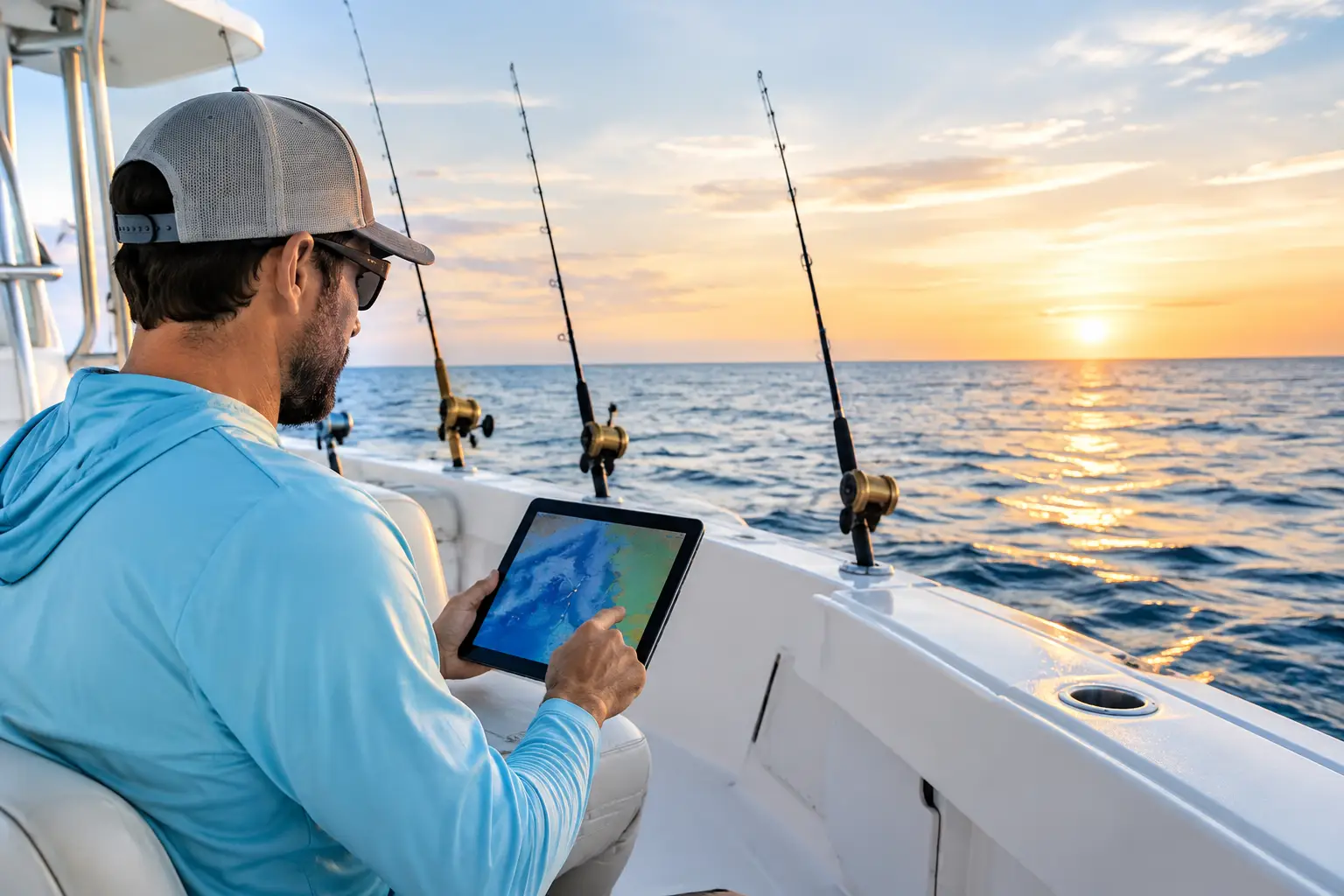
The best trips do not start with a random pin on a map. They start with a fish. A fishing trip planner helps you work backward from the bite you want - redfish pushing a marsh edge, tuna crashing offshore, a spring salmon run, or a permit tailing over clear flats - and find a charter that is built for that day.
That sounds obvious, but it changes the whole booking process. A captain can be excellent and still not be the right fit for your trip if their waters, boat, seasonal pattern, or usual trip style do not line up with your goal. Pick the fish first, then build the plan around where and how it can be caught.
Start Your Fishing Trip Planner With a Target Species
“Anything that bites” is a fine answer for a casual family afternoon. It is not enough information for a destination trip, a birthday crew, or the one day you have between flights. Decide whether the trip is about filling a cooler, catching a first saltwater fish, putting a kid on steady action, or hunting one specific trophy species.
Your target sets the table. Inshore redfish, speckled trout, snook, and flounder often mean protected water, shorter runs, and an approachable day for mixed-experience groups. Nearshore reef fishing may suit anglers who want snapper, grouper, and hard-pulling variety without committing to a long offshore ride. Bluewater species like marlin, sailfish, mahi-mahi, wahoo, and tuna can mean a larger boat, more travel time, and a full-day commitment.
Freshwater trips follow the same logic. Muskie anglers may be prepared for long stretches of casting for one memorable strike. Crappie and bass trips can offer a more active pace and a good introduction for newer anglers. Salmon and steelhead are often tied tightly to run timing and river conditions. The fish is not merely a box to check. It tells you what kind of fishing day you are actually booking.
Be honest about the kind of win you want
A trophy hunt and a high-action trip are not always the same thing. If the group includes first-timers, younger anglers, or someone who gets uneasy on rough water, a captain who can produce steady inshore action may deliver a better day than an ambitious offshore run.
There is no wrong answer. Just tell the captain what success looks like to your crew. A good guide can set realistic expectations and recommend a trip that fits instead of selling you a fantasy bite.
Match the Season Before You Pick a Date
Fish calendars are local. A species that is reliable in one state during May may be scarce, protected, or simply not the best target a few hundred miles away. Water temperature, bait movement, spawning cycles, river flow, weather patterns, and regulations all shape the bite.
Start with a season window rather than locking yourself into one exact weekend. If you are planning a trip around tarpon, striped bass, halibut, yellowfin tuna, or another seasonal target, give yourself as much date flexibility as possible. A few extra days on either side of your preferred date can make the difference between chasing leftovers and fishing a prime window.
It also pays to separate “available” from “ideal.” Many species can be caught outside their peak season, especially with a skilled local captain. But if you are traveling specifically for that fish, ask when the captain would take their own friends. That answer is usually more useful than a generic monthly chart.
Regulations belong in the plan
Keep seasons, bag limits, size limits, and protected species in view from the beginning. A catch-and-release day can still be outstanding, but nobody wants to learn at the dock that the fish they hoped to bring home is out of season or cannot be retained at that size.
Captains stay on top of changing rules, but you should mention your priorities early. If keeping fish for dinner matters, say so. If releasing a big fish for the photo is the goal, say that too.
Choose Water and Trip Type That Fit Your Crew
Once you know the species and season, choose the water you can enjoy fishing. This matters as much as the destination. The open ocean is not automatically better than a bay, and a backcountry skiff trip is not automatically easier than a center-console run.
Inshore trips usually offer more protected conditions, shorter rides, and frequent casting opportunities. They are often a smart fit for families, new anglers, and anyone with limited time. Nearshore trips push farther out for reefs, wrecks, and bottom structure while keeping travel reasonable on suitable weather days.
Offshore and deep-sea charters are built for anglers willing to trade more ride time for pelagic fish, deep-water species, and bigger-water adventure. Those trips can be unforgettable, but they depend more heavily on weather. If rough seas would ruin the day for someone in your group, discuss alternatives before you put down a deposit.
Fly fishing, sight fishing, reef-and-wreck fishing, and tournament-style trips deserve their own conversation. Sight fishing may require patience, mobility, and a willingness to wait for a clean shot. Wreck fishing can be physical and fast-paced. Tournament crews may need a captain experienced with the local rules, boundaries, and timing. The right trip type is the one that matches your anglers, not the one with the flashiest photos.
How to Compare Charter Options Without Guessing
A useful fishing trip planner should help you narrow options by species, location, and trip style. That is the practical path: find captains who actually target your fish in the water you want to fish, then look closer at the details.
Read the trip descriptions for specifics. Look for the usual target species, the length of the trip, fishing methods, the expected run, and whether the trip is designed for beginners, experienced anglers, or both. Photos and video can show more than a generic promise ever will. You can often see whether a captain’s day is built around flats skiffs, bottom rigs, trolling spreads, live bait, fly rods, or something else entirely.
Do not make boat size your only filter. A smaller boat can be exactly right for shallow-water sight fishing or a quiet river. A larger boat may be the better call for an offshore group or a long run in changing conditions. Ask what the boat is meant to do, not just how it looks at the dock.
Unreel Charters is built around that fish-first search approach, so you can start with what you want to catch instead of sorting through generic vacation listings. Once you find a likely match, contact the captain directly with a clear plan.
Ask questions that lead to a real answer
Three questions can save a lot of trouble: What are we most likely to target on our date? What happens if weather changes the plan? What should each person bring or prepare for?
You can also ask about departure time, fishing licenses, bait and tackle, fish cleaning, food and drinks, restroom availability, shade, and motion-sickness concerns. These are not fussy details. They determine whether your crew is comfortable enough to enjoy the fishing.
If your group has different experience levels, mention it. A good captain can often structure a trip so a serious angler gets a real shot while newcomers still stay involved. That may mean starting with active bait fishing, then shifting to a more technical target once everyone has settled in.
Build a Plan That Can Handle Weather
Every angler wants a bluebird forecast. Every experienced angler knows the water gets the final vote. Wind direction, sea state, thunderstorms, rain, heat, and cold fronts can change the route, species, and even the departure decision.
Do not treat a weather adjustment as a failed trip. A flexible captain may turn an offshore plan into an excellent inshore day, switch from sight fishing to structure fishing, or move the departure time to avoid a storm window. Those decisions are local knowledge at work.
Your job is to leave room for it. If you are traveling, avoid booking your charter on the final possible day of the trip when you can. If your schedule is tight, choose a target and trip type with viable backup options. A great fishing plan has a primary goal, a weather plan, and the right attitude when the fish or conditions call an audible.
Pack for the day you are likely to have, not the photo you hope to take. Sun protection, layers, rain gear, non-slip shoes, water, and any personal medication are simple preparation that pays off fast. Bring a cooler only if the captain tells you to, especially if you plan to keep fish.
The fish you want is out there somewhere. Give your trip enough thought to find the captain, season, and water that put you in the right piece of that puzzle - then show up ready to fish.