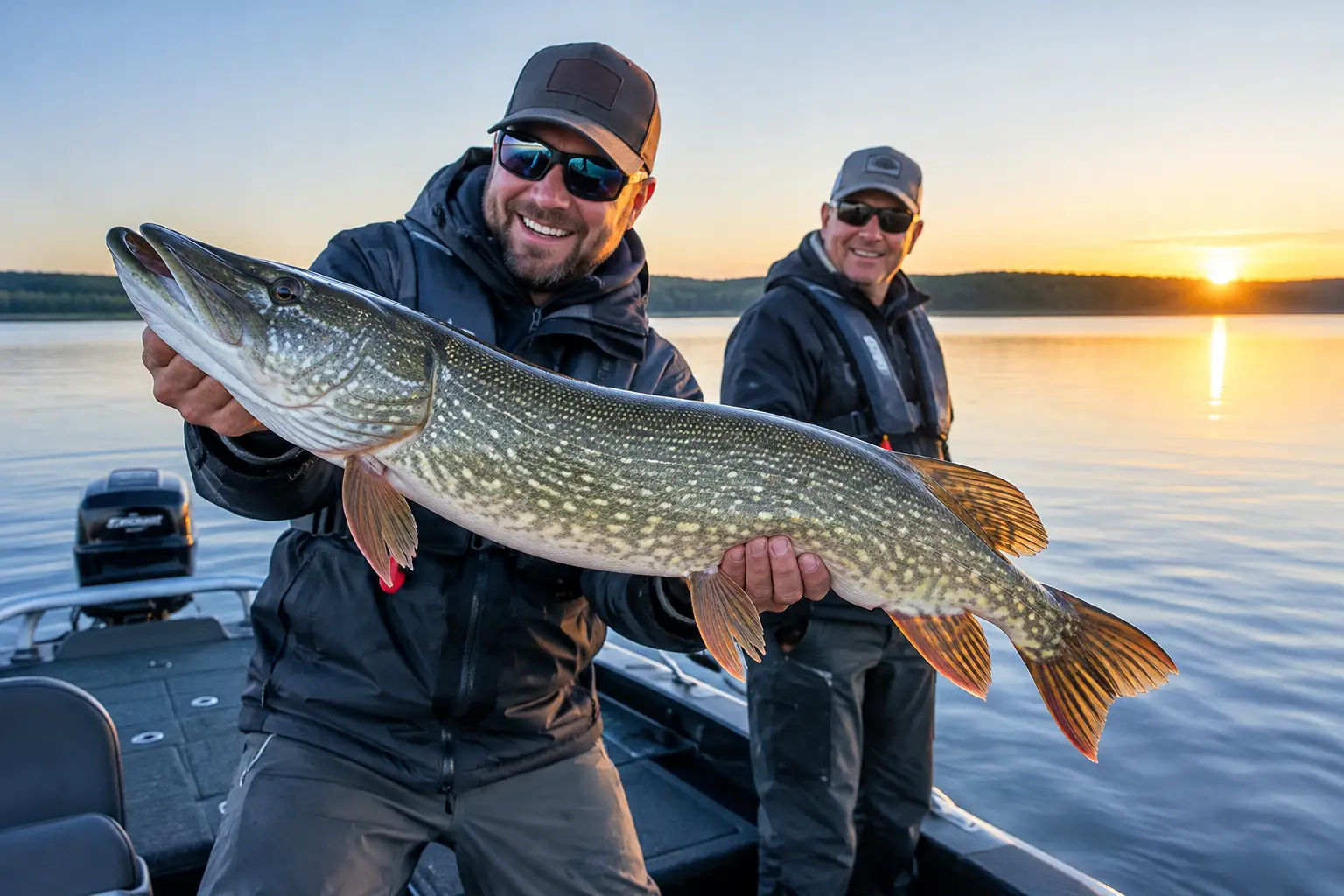
A muskie trip is not the time to book the first boat with an open date. These fish demand long casts, hard turns, follows at boatside, and plenty of patience between real chances. Knowing how to find muskie guides starts with choosing someone who fishes the water and season you have in mind - not just someone who lists muskies among a long menu of species.
A good guide cannot make a muskie bite on command. What they can do is put you in the right water, make smart adjustments, keep your presentation clean, and turn a sudden follow into an actual shot. That local knowledge is what you are booking.
Start With the Muskie Water You Want to Fish
“Muskie guide” covers a lot of ground. A guide who excels on a sprawling Canadian Shield-style lake may fish very differently from one who works a shallow weedy reservoir, a stained-flowage system, or a river with current and changing water levels. Start your search with a specific region or fishery type instead of treating every muskie destination as interchangeable.
Think about the trip you actually want. If you are planning a long weekend with friends, a major destination lake may make sense. If you have one day available and want to stay close to home, look for guides within driving range who fish local waters consistently. Familiarity matters more than a famous destination name.
The season should shape the decision, too. Spring fish may be shallow and location-specific. Summer can mean open-water bait, deep edges, or weed patterns. Fall often brings bigger presentations, changing migration routes, and weather that can completely alter the plan. Ask a guide where they expect to fish during your dates and why. You do not need their exact spots. You do want to hear that they have a clear seasonal approach.
How to Find Muskie Guides by Species-First Search
The cleanest search starts with the fish, then narrows by location and trip style. Search for muskies in the state or region you plan to visit, then compare guides who clearly identify muskie fishing as a primary service. A species-first charter directory such as Unreel Charters can help cut through generic fishing listings and get you closer to guides built around the fish you want to chase.
Read each profile like you are hiring a specialist, because you are. Look for clear details about the waters they fish, the months they run muskie trips, trip length, group size, and whether they welcome anglers with limited casting experience. Photos and videos can help, but they are not the whole story. A pile of fish photos does not tell you whether the guide communicates well, runs a safe boat, or has a plan when conditions change.
If a profile is vague, contact the guide directly. A solid conversation will tell you more in five minutes than a dozen polished images. Good guides should be comfortable explaining the general bite, what gear is supplied, and what kind of day a first-time muskie angler should expect.
Check Whether Their Experience Matches Yours
A first muskie trip and a serious trophy hunt are different products. Neither is better. The right one depends on your crew, your goals, and how much work you want to put into the day.
If you are new to muskies, look for a guide who enjoys teaching fundamentals. You may need help with casting heavy lures, working bucktails at the right speed, fishing jerkbaits without wearing yourself out, and executing a clean figure-eight at boatside. The best beginner-friendly guides keep instruction simple and useful. They correct what matters without turning every cast into a lecture.
Experienced anglers may care more about access to a particular water, a guide’s patterning ability, or a full-day schedule that allows for changing conditions. If you already have confidence with a baitcaster and big presentations, say so. A guide can spend less time on basics and more time dialing in depth, speed, boat position, and productive structure.
For mixed groups, be honest about the least experienced person in the boat. Muskies are not a guaranteed-action species, and an eight-hour day can feel long for someone expecting nonstop bites. A good guide will tell you whether your group is a fit for the conditions and trip length you are considering.
Ask the Questions That Reveal a Real Plan
You are not trying to pry fishing spots out of a working guide. You are trying to learn whether the trip is organized around your goals. Before booking, ask what a normal day looks like on your dates, how long the trip runs, what is included, and what happens if weather makes the original water unsafe or unfishable.
Ask whether rods, reels, leaders, and lures are provided. Muskie tackle is specialized, and not every angler wants to travel with large baits, heavy leaders, and oversized nets. If you plan to bring your own gear, ask what line weight, rod power, and lure categories make sense for the expected pattern. That prevents a day of struggling with tackle that does not match the guide’s program.
It also helps to ask about casting expectations. Will you be casting most of the day? Is trolling part of the plan? Does the guide switch methods based on weather and fish behavior? Trolling can be productive and is a smart fit for some anglers, especially when covering water or managing a group. But if you have your heart set on casting blades and throwing figure-eights, make that clear before you put down a deposit.
Finally, ask about fish handling and photography. A professional muskie guide should have the equipment and process to land, unhook, measure, photograph, and release fish quickly. That includes a large net, proper tools, and a calm system when a big fish hits the bag. Fast, responsible releases protect the fishery and keep the moment from becoming chaos.
Read Reviews for the Right Signals
Reviews are useful, but only if you read past the star rating. Look for repeated comments about preparation, instruction, safety, communication, and effort. Did the guide adjust when the weather shifted? Did they make beginners comfortable? Did they explain the plan without overselling the odds?
Be wary of reviews that promise automatic success. Muskie fishing has slow stretches, and any honest guide will say so. A review that says, “We did not land one, but the guide worked hard, taught us a ton, and we saw several fish,” can be more meaningful than a vague claim about an amazing day.
Also pay attention to how recent feedback is. Fisheries change. Water levels change. A guide’s schedule and focus can change, too. Current reports give you a better sense of how actively they are running muskie trips now.
Choose a Full Day When the Goal Is a Giant
Time on the water matters more in muskie fishing than it does in many other guided trips. A short outing can work when conditions are stable and fish are active, but a full day gives the guide room to adapt. That may mean moving from weeds to rock, shifting from casting to trolling, waiting out wind, or returning to an area during a better window.
A full day is not always necessary. Families, first-timers, and anglers with physical limitations may get more value from a shorter trip with realistic expectations. But if your goal is a true muskie hunt - especially during a destination trip - do not build the schedule around a quick morning. Give the fishery and the guide enough time to work.
Book the Guide, Then Prepare to Be a Good Client
Once you find the right fit, book early for prime dates and confirm the details in writing. Know the meeting location, start time, licensing requirements, weather policy, payment expectations, and what to bring. Sunglasses, rain gear, layers, food, water, and a willingness to cast until your shoulders complain are usually part of the deal.
Show up ready to listen, but do not expect a scripted day. The best muskie guides are constantly reading wind, light, water temperature, bait movement, and the mood of the fish. Let them make the adjustments. Your job is to make the next cast count, stay sharp at boatside, and enjoy the rare kind of fishing where one bite can carry the whole day.
The right guide will not promise a giant. They will give you something better: a real shot, built on local knowledge, hard-earned decisions, and a day spent where muskies actually live.