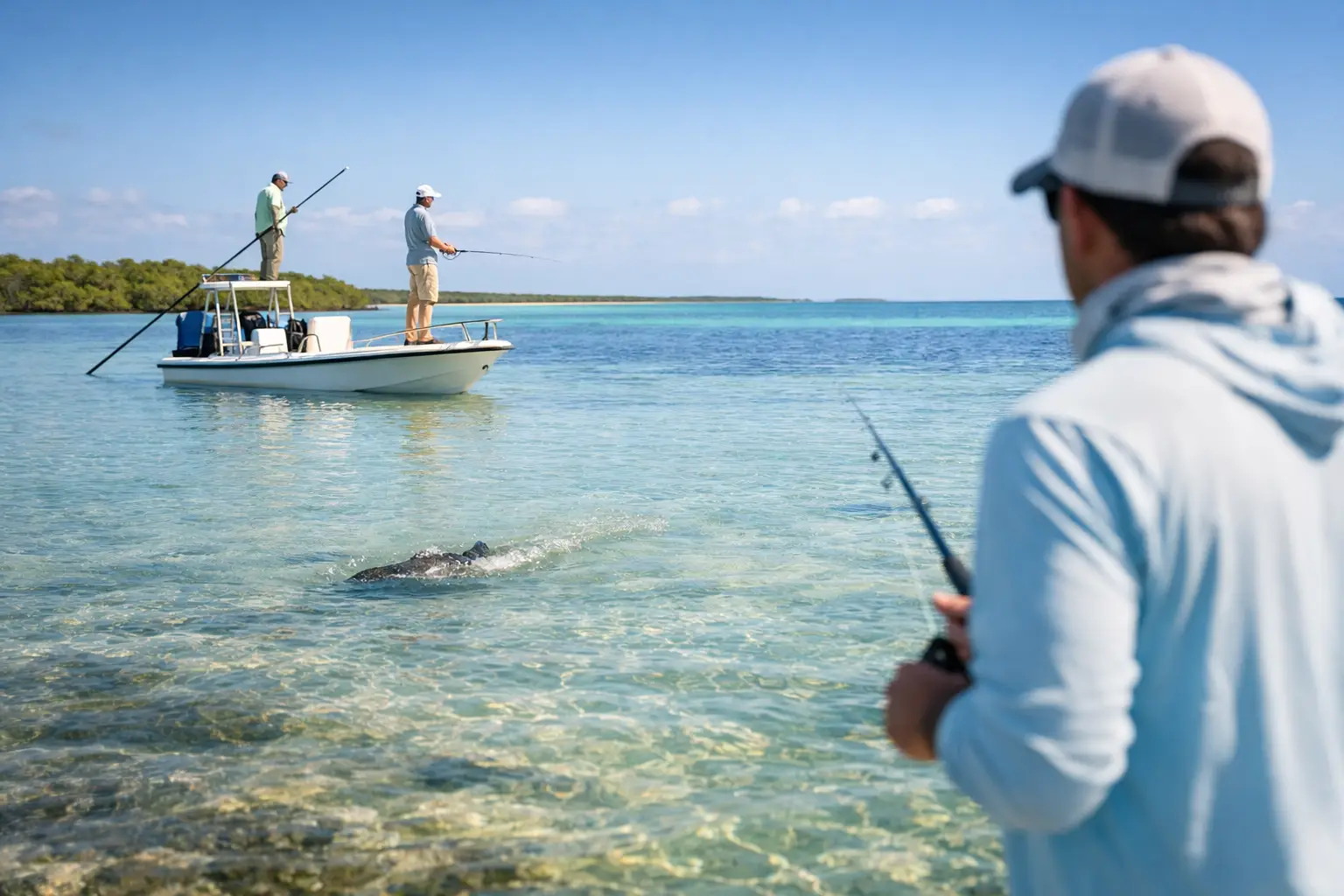
A flats trip can look perfect on a postcard and fish painfully slow if you book it around the wrong tide, the wrong season, or the wrong expectation. Learning how to plan flats trips starts with one honest question: what fish do you want to see, stalk, and cast to? A permit mission in the Florida Keys is not the same day as chasing redfish through Louisiana marsh grass or hunting bonefish on a Bahamian flat.
The good news is that flats fishing is one of the most personal ways to fish with a guide. You are not just dropping baits and waiting. You are watching water, reading movement, making casts, and trusting a captain who knows where fish slide when the light, wind, and tide line up. Plan the details before you book, and you give yourself a real shot at the kind of day you came for.
Start With the Fish, Not the Vacation Rental
A broad destination search is a fast way to end up on a trip that is available rather than a trip built for your goal. Start with the species, then narrow down the region, season, and trip style that suit it.
Redfish are a strong choice for anglers who want accessible inshore action, especially across the Gulf Coast, the Southeast, and marsh country. Snook and speckled trout often fit the same inshore trip, though seasonal rules and local conditions can change what is practical. Bonefish, permit, and tarpon are classic sight-fishing targets, but they ask more of the angler and frequently require more specific timing.
Be clear about whether you want a mixed-bag day or a single-species hunt. A captain may be able to target redfish, trout, and flounder in one outing. That does not mean a true permit trip should be treated as a casual add-on. The more specialized the fish, the more your date, location, weather window, and casting ability matter.
Match the Destination to the Season
Flats do not fish on a fixed calendar. Water temperature, bait movement, rainfall, spawning patterns, and local regulations all affect where fish hold and how they feed. A destination that is excellent in spring may be windy, hot, crowded, or simply less consistent during another part of the year.
Ask the captain what is realistically fishing well during your travel dates. That wording matters. Asking, “Can we catch tarpon?” might get a yes because tarpon exist there. Asking, “What are the best targets for a sight-fishing-focused trip in late June?” leads to a more useful answer.
Build a little flexibility into a destination trip when you can. If you are flying in for a marquee fish, booking two or more possible fishing days gives you a weather buffer. Flats fishing depends heavily on visibility. A hard north wind, cloud cover, muddy water, or an afternoon thunderstorm can change the plan quickly, even with a skilled captain on the poling platform.
Learn How to Plan Flats Trips Around Tides
Tide is not background information on the flats. It decides which water is available, where bait can move, and whether fish can reach a shoreline, creek mouth, oyster bar, or mangrove edge.
On a shallow flat, a rising tide can push fish onto flooded grass or skinny-water feeding zones. A falling tide may pull them toward drains, potholes, channels, and edges where they become easier to predict. Neither phase is automatically better. The right tide depends on the fish, the flat, the amount of water already present, and how that captain likes to fish it.
You do not need to become a tide-chart expert before booking, but you should understand the basic schedule. Ask whether your charter time is chosen to meet the best portion of the tide, and whether an early start or a later start makes more sense for the target species. Some trips leave before sunrise for calm water and low-angle light. Others are timed around a midday push of water. A good captain should be able to explain the plan in plain language.
Wind deserves the same attention. Light wind can make spotting fish easier, while too little wind may make fish spooky. Moderate wind can create enough surface texture to hide the boat, but strong wind may limit visibility and make casting difficult. If you are new to fly fishing or have a group with mixed experience, tell the captain. A windy technical flat is a different day from a protected inshore shoreline.
Choose the Trip Style That Fits Your Group
“Flats fishing” covers a lot of water. Some trips run shallow-draft skiffs designed for poling quietly across inches of water. Others use bay boats that cover more ground and handle a little chop better. Both can be right, but they create different experiences.
A dedicated skiff is usually the call for serious sight fishing. Expect close casting, quiet approaches, and less room to move around. It is ideal for one or two anglers who want to hunt fish visually and do not mind staying focused. A bay boat or inshore boat may be better for families, larger groups, anglers who want more comfort, or days when the plan includes casting shorelines, working deeper edges, and catching multiple species.
Think about your crew honestly. Kids, first-time anglers, and anyone prone to seasickness may have more fun on a stable, protected inshore trip than on a technical all-day permit hunt. There is no lesser version of a good fishing day. The best trip is the one your group can fish hard and enjoy.
Vet the Captain for the Exact Job
Local knowledge is the reason to hire a flats captain. You are paying for more than a boat ride. You are paying for someone who understands the tide stage, the wind angle, the water color, the seasonal pattern, and when to leave a spot alone.
Search by the species you want, then look at the captain’s trip descriptions and fishing focus. A captain who regularly runs inshore family trips may be a great fit for redfish and trout. For a dedicated fly or permit trip, look for clear signs that sight fishing, poling, and that specific target are central to the operation.
Before you reserve, get direct answers to these questions:
- What species are most realistic on my date?
- Is this primarily a sight-fishing trip, a bait-fishing trip, or a mix?
- What tide and weather conditions are you hoping for?
- How many anglers can fish comfortably and actively?
- Should I bring fly gear, spinning gear, polarized glasses, or specific clothing?
The answers reveal more than a generic trip description ever will. They also help you avoid mismatched expectations. A captain who gives a realistic weather backup plan is usually doing you a favor, not talking you out of a great day.
Pack for Visibility, Not Just Comfort
Polarized sunglasses are essential because they help you see through glare and protect your eyes from hooks, sun, and wind. Bring a hat with a dark underside on the brim if possible. It reduces reflected light and helps your eyes stay fresh when you are scanning water for hours.
Wear lightweight long sleeves, sun gloves, and shoes that work safely on a wet deck. Skip loose gear that can blow around or tangle at the wrong moment. If you are bringing a camera, make sure it can be secured. Flats fishing often delivers fast chances, and nobody wants to miss a tailing redfish because they were digging through a backpack.
For casting, practice one useful skill before the trip: short, accurate presentations. A 30-foot cast placed quickly in front of a moving fish beats a long cast that lands late. Fly anglers should practice casting into the wind and making a backcast-free delivery from awkward positions. Spinning anglers should practice pitching a small jig or soft plastic without a huge splash.
Give Yourself Permission to Adjust
The flats reward preparation, but they punish rigid plans. If clouds roll in and sight fishing gets tough, your captain may switch to blind-casting potholes, fishing mangrove edges, or using bait in cleaner water. That is not a failed trip. It is a guide reading the day and keeping your rod bent.
Communicate what matters most before departure. Maybe your priority is one legitimate shot at a permit, even if bites are few. Maybe you want your kids catching fish all morning. Maybe you want to learn to spot redfish and do not care about a big number. Tell the captain, then let local knowledge drive the route.
A great flats day is rarely about forcing the exact plan you pictured. It is about being ready when the water clears, a fish pushes across the flat, and the captain says, “Cast now.”