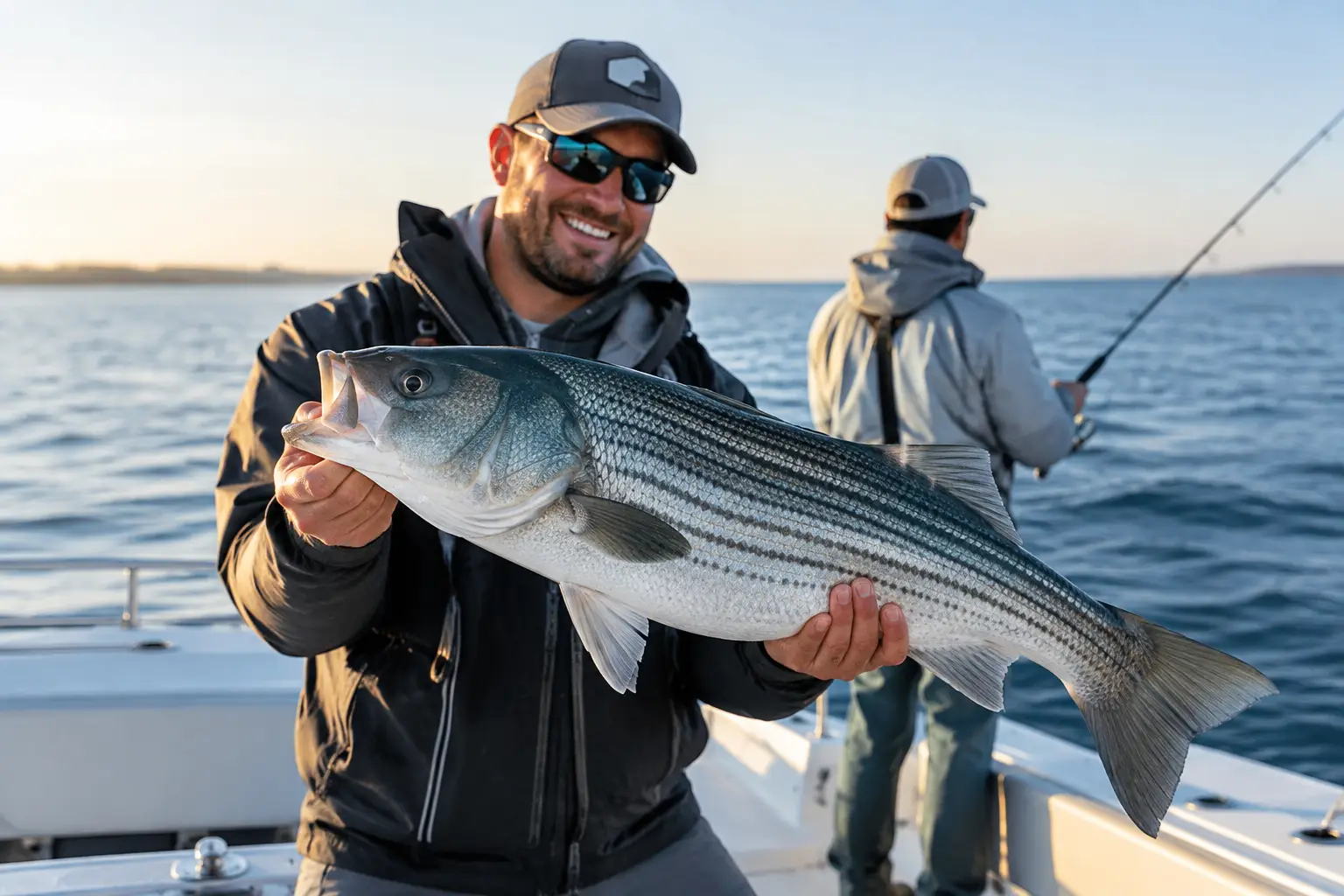
A striped bass trip can look completely different from one harbor to the next. One morning might mean casting plugs under birds on a shallow flat. The next could mean live-lining bait along a channel edge, trolling open water, or working a tidal river when the current finally turns right. That is why finding top striped bass guides is less about chasing a flashy photo and more about matching your trip to the fish, the water, and the kind of day you actually want.
Stripers are a favorite for good reason. They hit hard, travel far, feed in dramatic conditions, and give first-timers and serious anglers something to get fired up about. But they are also seasonal, regional, and heavily influenced by tide, water temperature, bait, and local regulations. The right captain brings more than a boat. They bring a working read on that particular fishery.
What Separates Top Striped Bass Guides From the Rest
A good striper guide knows where fish have been. A great one understands why they are there, what could move them, and when it is smarter to change the plan rather than force a pattern that died an hour ago.
Start with specialization. Some captains run mixed inshore trips and can put together a fun day with stripers as part of the menu. Others spend a large part of their season tracking striped bass specifically. Neither approach is automatically better. If your crew wants action, variety, and an accessible outing, a mixed-species inshore trip may be the right call. If you are traveling for a serious striper mission, look for a captain whose profile, reports, photos, and trip descriptions show consistent striped bass experience.
Local knowledge matters just as much. A guide who fishes tidal bays, rivers, jetties, and nearshore structure understands how current creates feeding windows. A freshwater captain targeting landlocked stripers has a different playbook built around open-water bait schools, depth changes, and electronics. Both are legitimate striper trips, but they are not interchangeable. Ask where the captain expects to fish and what conditions shape the bite there.
The best guides also manage expectations without draining the excitement out of the day. They will tell you when the bite is weather-dependent, when an early departure gives you the best shot, or when a flexible target species plan makes sense. That kind of straight talk is a good sign. Fish do not follow a booking calendar.
Choose the Striped Bass Trip Before You Choose the Captain
The fastest way to narrow your options is to decide what kind of fishing experience you want. Start with the fish, then the water, then the trip style.
Tidal inshore and river stripers
This is the classic hands-on striper experience for many anglers. You may cast soft plastics, plugs, bucktails, or flies around rips, points, bridges, creek mouths, flats, and moving water. These trips can be ideal for anglers who want to learn how to read current and actively work a lure.
Tide timing often matters more than the clock. A four-hour trip at the right stage of the tide can fish better than a longer trip during slack water. If you are booking a shorter outing, ask whether the captain can set the departure time around the best tide window rather than simply offering a standard morning or afternoon slot.
Nearshore bait and structure fishing
In coastal areas, striped bass may push bait around shoals, reefs, channel edges, beaches, and other nearshore structure. Your captain may use live bait, chunks, trolling gear, or casting tackle depending on the local pattern and rules.
This style can work well for families or groups with mixed experience because the captain can tailor the amount of hands-on casting. It can also involve more boat movement and changing conditions than a protected backwater trip. If anyone in your group gets motion sick, bring that up before booking. It is a small conversation that can save a big day.
Freshwater reservoir stripers
Landlocked striped bass are a different kind of hunt. Guides commonly use sonar to locate bait and fish over deep channels, points, humps, and open water. A trip may involve trolling, downlining, jigging, or casting when fish surface.
These outings can be a strong choice for anglers who want powerful fish without a coastal run, but the action may be more mobile and technology-driven. If you specifically want to cast topwater lures or sight fish surface activity, say so. The captain can tell you whether that is a realistic expectation for the season.
Questions Worth Asking Before You Book
You do not need to interrogate a captain. A few direct questions can tell you whether the trip fits your crew.
Ask whether striped bass are the primary target during your travel dates and whether the captain expects an inshore, nearshore, river, or freshwater approach. Ask what tackle you will use, what is included, and whether the trip is appropriate for your group’s experience level. If you have young anglers, limited mobility, or a first-time boater in the group, mention it early.
It also helps to ask how the captain handles changing conditions. A quality answer is rarely a guarantee of limits or trophy fish. It might be a practical explanation: moving to protected water if the wind builds, switching presentations if fish stop feeding, or targeting another available species if striped bass are not cooperating. That is not a dodge. It is professional trip planning.
Regulations deserve a clear conversation too. Striped bass rules can differ by state, season, water body, size, slot, possession limit, and whether harvest is allowed at all. Your guide should know the current rules for the water they fish and explain what they mean for your trip. If keeping fish matters to you, do not assume. Ask. If catch-and-release is your goal, say that too.
Read a Charter Profile Like an Angler
Photos of big fish get attention, but they should not be the only thing you evaluate. Look for details that reveal how the captain runs trips: target species, fishing areas, seasonal notes, departure options, boat setup, group size, and techniques. Recent trip updates can be useful when they explain the conditions and patterns behind the catch, not just the catch itself.
Pay attention to whether the captain describes a real plan. “Striped bass trips” is broad. A stronger profile tells you whether the operation fishes tidal current, open bays, coastal rips, reservoirs, or a mix of waters. It should also make clear whether the experience is built for beginners, dedicated lure anglers, families, or anglers looking for a longer and more technical day.
Reviews can help, especially when they mention communication, preparation, patience, safety, and how the captain adapted when conditions changed. One glowing review about a perfect weather day tells you less than several reviews describing a captain who stayed engaged, taught the crew, and worked hard when the bite got tough.
Timing Your Trip Around the Striper Season
There is no single best month for striped bass everywhere in the United States. Migration, spawning movements, bait presence, water temperature, and local weather create different windows across regions. In some fisheries, spring offers moving fish and aggressive feeding. In others, summer means early starts, deeper patterns, or a shift toward cooler water. Fall can bring fast action around bait, but storms and wind may become a bigger factor.
The practical move is to book your travel dates first only if you must, then contact guides who fish that area during that window. If you have flexibility, ask which period offers the trip style you want. A captain may recommend a different month for light-tackle casting than for a family-friendly bait trip or a shot at larger fish.
Weather flexibility is valuable. Keep an extra day open when you can, particularly for coastal trips. Wind direction and sea conditions can decide whether a nearshore plan is comfortable, safe, or possible. A backup date gives your captain more room to put you on a better experience instead of trying to squeeze a big plan into a marginal forecast.
Find the Right Fit, Not the Loudest Listing
The best striped bass charter is the one built around your actual goal. Maybe that means a patient captain teaching your kids to cast. Maybe it means an early tide window with a light-tackle specialist. Maybe it means a reservoir guide who can put your crew over bait and explain every move on the electronics.
A species-first search makes that process easier. On Unreel Charters, anglers can begin with striped bass, narrow the search by location and trip type, then compare captains based on the kind of water and experience they offer. That beats scrolling through generic vacation listings and hoping a striper trip happens to be available.
Bring clear expectations, ask direct questions, and give the captain room to make the calls that conditions demand. When the tide starts moving, bait stacks up, and a fish crushes your lure close enough to feel the hit in your forearm, you will be glad you booked the guide who knew exactly where to look.