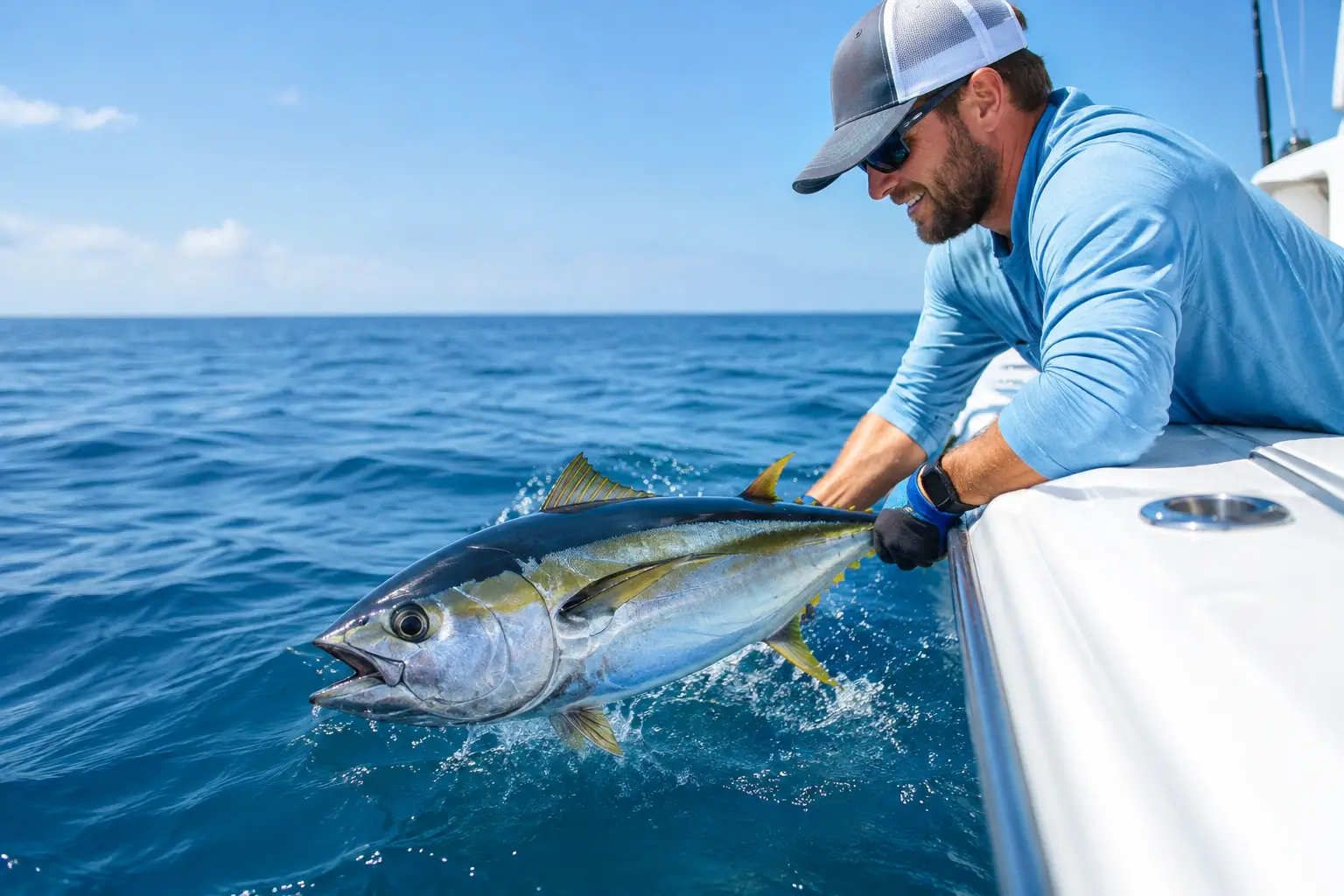
A dock photo and a big fish used to do most of the selling. Now, charter video trends are raising the bar. Anglers want to see the ride out, the water, the spread, the captain’s approach, and the kind of action a trip can realistically deliver. For a captain, good video is not about turning a fishing business into a media company. It is about helping the right people recognize the right trip before they ever pick up the phone.
That shift matters because guided fishing is not one product. A half-day inshore redfish trip, an offshore tuna run, and a sight-fishing day for permit ask very different things of an angler. Video gives people a fast, honest read on whether a charter matches the fish they want to catch and the day they want to have.
The Charter Video Trends Worth Paying Attention To
The strongest trend is simple: useful footage is beating generic highlight reels. Anglers still love a tail-walking sailfish or a cooler full of mahi, but those clips work better when they answer real booking questions. How far offshore is the run? Is the boat set up for kids? Are clients casting, trolling, jigging, or soaking baits? What does a reef-and-wreck trip actually look like?
A polished montage with no context may collect views. A clear 30-second video that shows the first cast on a marsh flat can help someone decide to book. That difference is where charter marketing is headed.
Short vertical clips are the new first look
Most prospective customers will see a charter video on a phone. Vertical clips are built for that moment: quick, close, and easy to understand without much setup. A captain does not need cinematic drone work to make them useful. A clean phone clip of a snook coming out from under mangroves, a rod bending on a wreck, or clients landing a limit-sized trout can carry the point.
The best short videos have one clear idea. Show the species, the method, or the atmosphere. Trying to cram a full day offshore into 20 seconds usually creates noise instead of excitement.
For anglers, short clips are a fast filter. If you want a fly-fishing trip and every video shows heavy conventional tackle, you have learned something important. If you are bringing first-timers and the footage shows calm instruction, steady action, and a comfortable deck, that is useful evidence too.
Raw moments build more trust than perfect edits
Fishing is weather, tide, patience, missed shots, and sudden chaos when a fish finally eats. Videos that leave room for those realities feel more credible than nonstop victory laps. A captain explaining why the bite moved, resetting after a missed strike, or coaching a beginner through a hookup tells viewers far more than another hero shot.
This does not mean every video needs to include a slow bite or a lost fish. The point is to avoid promising a movie trailer every time a customer steps aboard. Conditions change. Seasons change. A great captain adapts. Showing that skill is better marketing than pretending every trip is automatic.
There is a trade-off here. Completely unedited footage can drag, especially if the good part comes three minutes in. Trim the dead space, keep the natural sound when it adds to the experience, and let the fishing speak for itself.
Species-first video is more valuable than vague adventure content
“Great day on the water” is fine, but it is not how most anglers begin their search. They start with a target: redfish, striped bass, walleye, salmon, tarpon, marlin, halibut, or whatever has been living rent-free in their head all winter.
That makes species-specific footage a powerful discovery tool. A video should plainly show what the crew is targeting and, when useful, where the action fits into the trip. An inshore flounder video can show a drift along a channel edge. A tuna video can show the run, the spread, and the teamwork once a fish is on. A muskie clip can show casting lanes and the retrieve that triggered the strike.
For captains, this approach also creates a more accurate customer pipeline. People who watch a video about live-baiting for king mackerel are more likely to understand the trip than people who clicked a random beach video. Better expectations lead to better days on the boat.
What Anglers Should Look For Before Booking
Video should help you choose a trip, not replace a conversation with the captain. Treat it like a scouting report. Look for the details that match your group, experience level, target species, and tolerance for travel time or rougher water.
Pay attention to the boat layout, the number of anglers onboard, and the pace of the fishing. Can you see people actively participating, or is the crew doing nearly everything? Neither answer is automatically bad. Some anglers want hands-on casting and coaching; others want an offshore experience where the crew handles the technical work. The right choice depends on your goal.
Also consider when the video was made. A spring cobia clip may be legitimate, but it does not mean cobia are the play during your late-summer vacation. Strong charter profiles use current video alongside clear trip details and direct communication, so anglers can connect the highlight to the season they are actually booking.
Sound and explanation are becoming a bigger deal
Silent fish photos turned into video are easy to scroll past. A captain’s quick explanation can turn the same footage into something useful. Explain the setup in plain language: “We are fishing outgoing tide along these oyster bars for redfish,” or “This is a long-range trip, so expect an early departure and a full day offshore.”
That kind of narration does not need a script. It needs accuracy. It helps newcomers understand what they are seeing and lets experienced anglers decide whether the approach suits them.
Captions matter for the same reason. Many people watch with the sound off. A few words identifying the species, technique, trip type, or season can keep the video useful even without audio.
A Practical Video Plan for Captains
Captains do not need to post every day or carry expensive production gear. Consistency beats complexity. The goal is to build a library that shows prospective customers what they can book with confidence.
Start by covering the trips you most want to run. Capture a few clean clips for each major target species and trip format. Then add footage that answers common questions: the boat at the dock, safety gear, bait prep, casting instruction, the ride home, or how fish are handled after landing.
A useful rotation might include these four video types:
- A quick species-focused action clip that shows the bite and the technique.
- A trip-expectations clip covering departure time, travel distance, and who the trip fits.
- A captain-on-camera update about seasonal conditions or what is biting now.
- A customer-experience clip that shows instruction, camaraderie, and the real pace of the day.
Keep permissions in mind when filming customers, especially children. Ask before posting, avoid sharing personal details, and never let filming distract from safety or fish handling. The charter comes first. Content comes after.
It also pays to organize videos clearly. Label footage by species, location, trip type, and season. An angler should not have to guess whether a clip is from an inshore half-day or a twelve-hour offshore run. Clear labels make a video useful long after the original post fades from view.
Video Should Help Anglers Find the Right Fit
The best fishing videos do more than show a big catch. They narrow the gap between an angler’s plan and a captain’s expertise. That is especially valuable in a directory built around what people want to catch, where they want to fish, and how they want to fish.
For independent captains, video is a chance to show the work behind the trip: local knowledge, boat setup, technique, patience, and the way you run your deck. It puts your business identity in your own hands rather than reducing it to a price and a calendar.
For anglers, the takeaway is just as direct. Watch for proof that the trip fits your target, your crew, and your expectations. Then ask the captain what is realistic for your dates. The fish do not read marketing plans, but the right video can get you much closer to the right water when it is time to go.